





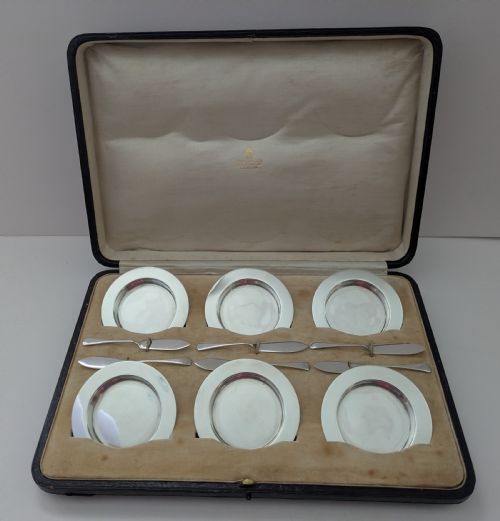

Sterling Silver Plates
Sterling silver plates are substantial dining table pieces that bring genuine historical craftsmanship to the table.
Sterling Silver Plates
When you search for sterling silver plates, you are looking for solid metal dining wares designed for formal service. The evidence shows these items appearing alongside related domestic items such as trays, salvers, dishes, and coasters spanning multiple eras.
The pieces you are most likely to meet on this page originate from the Georgian and Victorian periods, alongside later twentieth-century examples. Makers produced these items in various traditional and decorative styles to suit the formal dining habits of their respective eras.
While the archive records dinner plates specifically, the wider selection demonstrates how silversmiths applied their craft to flat tableware and serving vessels alike. Each piece reflects the functional requirements of historical dining rooms.
Materials and methods
Silversmiths utilised sterling silver and standard silver to form the body of these tableware pieces. Metalworking techniques included casting, hammering, and silversmithing to achieve the desired rigidity and form.
Associated wares frequently incorporate supplementary materials such as glass, crystal, wood, velvet, leatherette, and silk for lining or mounting. These combined elements highlight the diverse manufacturing traditions of the workshops.
Sterling Silver Plates Retail Price Guide 2026
Typical asking prices for sterling silver plates among the pieces listed under this phrase on Sellingantiques today, from the lower quarter to the upper quarter. They describe what is for sale here now, not the wider market.
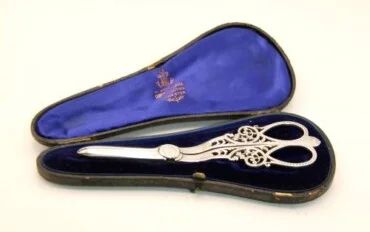
Some dining tables required specific grape scissors just to keep the fruit intact for the evening service.
Factors of quality
The standard of a piece depends heavily on the weight of the metal and the precision of the silversmith's workmanship. Heavier gauges of silver and crisp, well-defined hallmarks indicate superior execution by established makers.
Design complexity also separates standard items from exceptional ones. Pieces featuring hand-engraved details, cast borders, or complex forms demonstrate a higher tier of artistry and resource investment during production.
Asprey & Co.·Tiffany & Co·Samuel Hennell·Joseph Rodgers & Sons
The Sterling Silver Plates Glossary
- Sterling silver
- An alloy consisting of ninety-two point five percent silver and seven point five percent other metals, typically copper. This standard ensures the necessary durability for functional tableware.
- Salver
- A tray used for serving food or drinks, often produced with decorative borders and supporting feet. In historical contexts, these functioned similarly to large service plates.
- Hallmark
- A series of official marks stamped onto precious metal items to guarantee their purity and origin. These stamps typically identify the maker, the assay office, and the year of production.
- Silver gilt
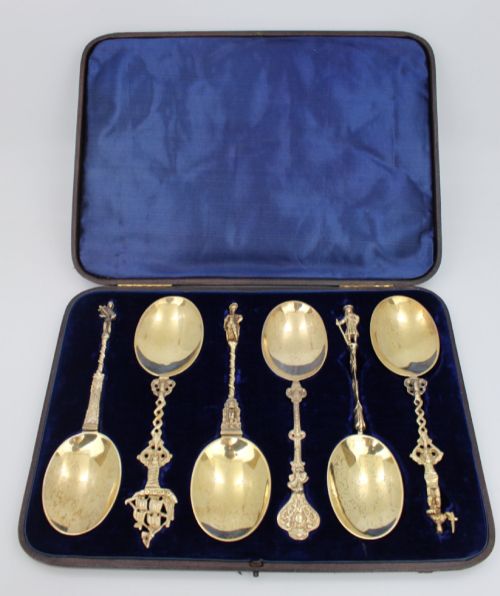
- Silver that has been coated with a thin layer of gold on its surface. This technique provided a rich two-tone decorative effect on specialised vessels and cutlery.
Sterling Silver Plates: Frequently Asked Questions
How do I clean sterling silver plates?
Clean your sterling silver items using a specialised silver polish and a soft cloth to protect the metal surface. Avoid harsh abrasive materials that can scratch the polished finish.
Store the pieces in dry conditions, and consider anti-tarnish cloths or liners made from materials like velvet or silk if keeping them enclosed for long periods.
Can I use antique plates for dining?
Many collectors choose to use solid silver tableware for special occasions, as the metal is durable enough for careful handling. Ensure you wash them promptly by hand after use with mild soap.
Avoid putting historical silver into modern dishwashers, as harsh detergents and high heat can damage the metal and any applied finishes.
What is the difference between silver and silver plate?
Sterling silver consists of solid precious metal throughout the entire piece, giving it lasting intrinsic value and durability. Silver plate involves a thin layer of silver bonded over a base metal core.
You can often identify solid pieces by checking for standard purity hallmarks rather than maker marks indicating plating techniques.