


Sterling Silver Napkin Clip
These sterling silver napkin clip pieces are small table accessories designed to secure table linen, prized for their utility and period detail.
Sterling Silver Napkin Clip
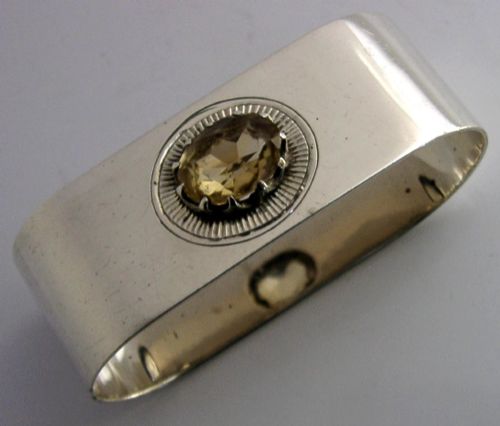
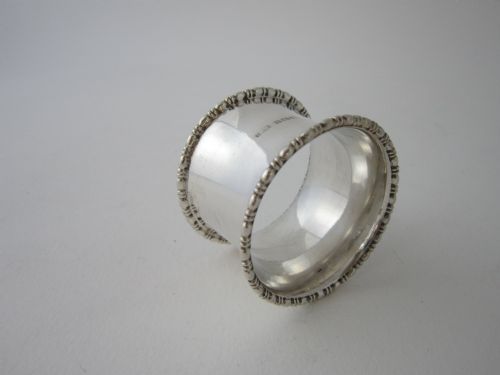
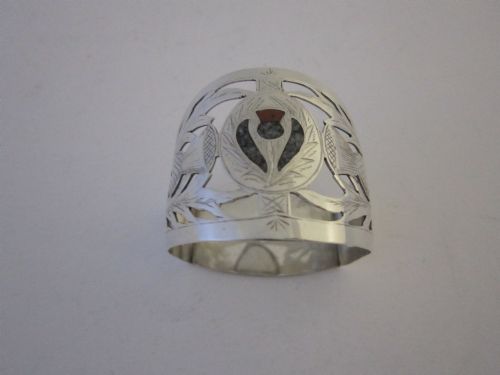
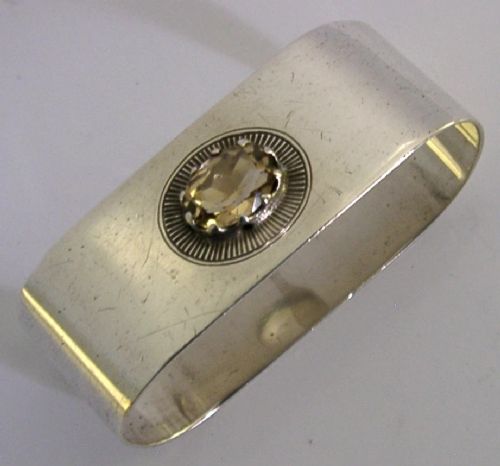
A sterling silver napkin clip brings a refined touch to the dining table, encompassing both spring-action clips and solid circular rings designed to secure table linen. When exploring a sterling silver napkin clip, you encounter forms ranging from simple shield shapes to horseshoe designs and gem-set rings.
The selections span the Victorian, Edwardian, and Art Deco eras, with pieces reflecting the George V period and the Arts and Crafts movement. Most examples originate from English makers, alongside Scandinavian work featuring enamel and silver gilt.
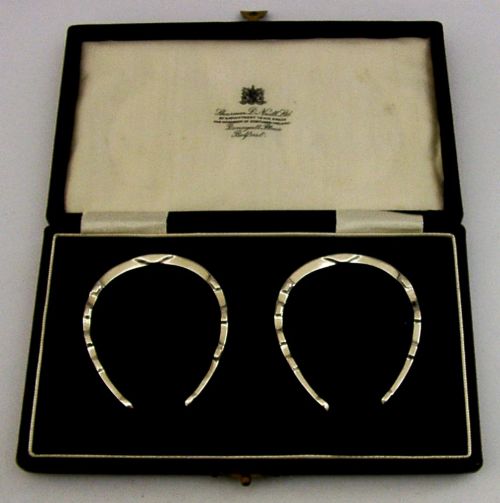
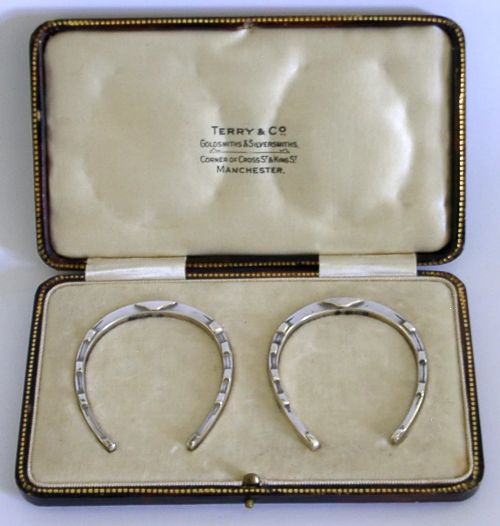
Cased sets appear alongside individual examples, sometimes accompanied by fitted presentation boxes lined with velvet, satin, or silk and finished in leatherette. You also find variations set with stones such as citrine and agate.
How they were made
Makers shaped sterling silver through methods including press forming, hand-beating, and detailed engraving, often incorporating mechanical spring clips or rigid bands. Gemstones like citrine and agate were flush or bezel set into the silver body.
Enamelling techniques, such as guilloche work over silver gilt, added colour and pattern to Scandinavian pieces, whilst traditional silversmithing created the robust gauge required for daily dining use. Fitted presentation cases utilised materials like leatherette paired with satin, silk, and velvet interiors to protect the silver.
Several items feature lucky horseshoe designs, ensuring your table setting comes with built-in nineteenth-century optimism.
What varies in quality
The distinction between standard examples and superior pieces rests on the weight of the silver and the crispness of the chasing or engraving. Pieces displaying detailed motifs like lucky horseshoes or heraldic shields demonstrate higher craftsmanship.
The inclusion of genuine gemstones such as citrine or agate, or intricate guilloche enamel on silver gilt, elevates a piece above plain silver bands. Original fitted cases lined with silk, satin, and velvet also alter the desirability of the item.
David Andersen
The Sterling Silver Napkin Clip Glossary
- Sterling silver
- An alloy containing 92.5 percent silver and 7.5 percent other metals, usually copper, chosen for durability in tableware. It forms the primary material for these napkin clips and rings.
- Guilloche enamel
- A decorative technique where intricate geometric patterns are engraved beneath translucent enamel. This finish appears on Scandinavian silver gilt pieces from the early twentieth century.
- Silver gilt
- Sterling silver that has been coated with a thin layer of gold. This treatment provides a rich, two-tone appearance.
- Cased
- Refers to items supplied in their original fitted presentation box. These boxes often feature leatherette exteriors and velvet or silk linings.
Sterling Silver Napkin Clip: Frequently Asked Questions
What is a sterling silver napkin clip?
A sterling silver napkin clip is a functional dining accessory designed to hold a cloth napkin in place during a meal. They use spring mechanisms or shaped metal to attach securely.
These items range from Victorian and Edwardian clips to later Art Deco rings, often featuring decorative motifs like horseshoes, shields, or gemstones.
How do I date a napkin clip?
Dating relies on hallmarks stamped into the silver, which indicate the year of manufacture, assay office, and maker. Stylistic cues also help place pieces within specific eras like the George V or Arts and Crafts periods.
Design elements such as guilloche enamel point towards specific decades like the 1920s, while simpler shield shapes often indicate Edwardian or Victorian origins.
Were napkin clips sold in sets?
Many napkin clips and rings were produced as pairs or matched sets, often presented in fitted boxes. These presentation cases were lined with materials like velvet, satin, or silk.
Individual pieces also appear frequently, reflecting both private dining use and individual gift-giving customs of the late nineteenth and early twentieth centuries.
How do I care for antique silver?
Antique silver benefits from gentle cleaning using a specialised silver cloth to remove tarnish without damaging the underlying metal or inlaid stones. Avoid harsh chemical dips, especially on pieces with enamel or set stones like citrine.
Storing pieces in dry conditions, away from direct sunlight, helps preserve both the silver and any original presentation cases lined with silk or velvet.