






Sterling Silver Lid Jar
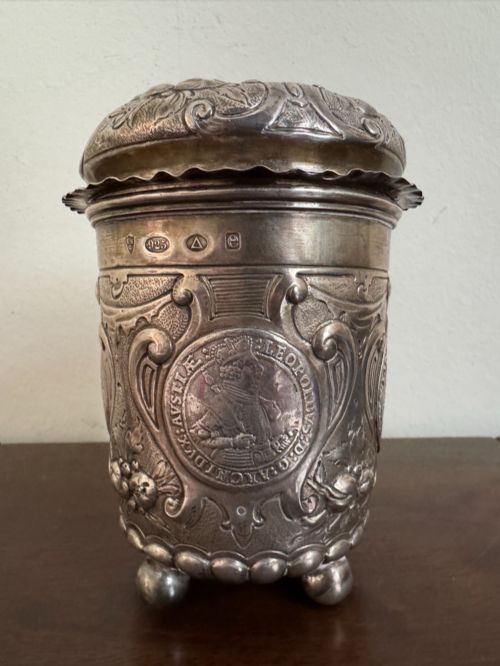
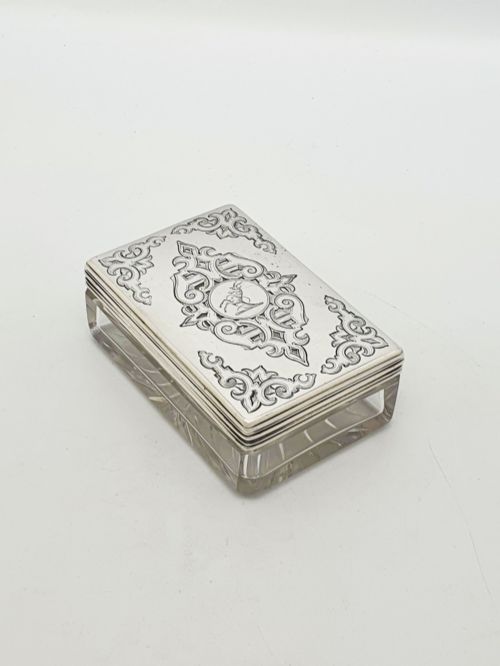
These sterling silver lid jar pieces combine precious metal mounts with glass, crystal, and porcelain containers for the dressing table and desk.
Sterling Silver Lid Jar
When you search for a sterling silver lid jar, you encounter a variety of dressing table accessories, vanity pots, trinket boxes, and scent bottles dating from the Georgian period through the mid-twentieth century. The Edwardian era and the 1920s dominate the selections, offering numerous examples of glass vessels topped with hallmarked silver closures.
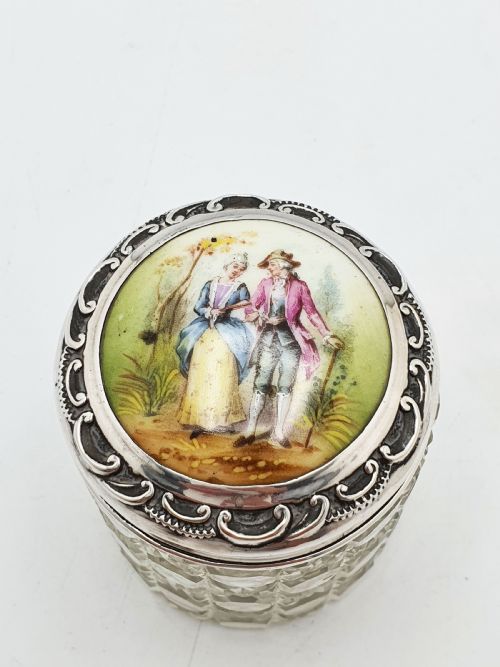
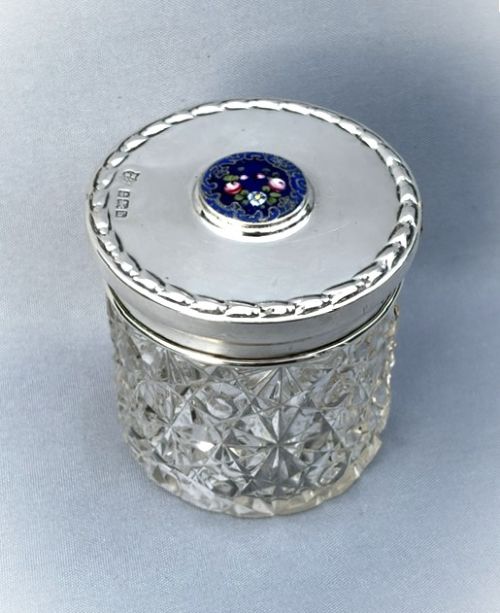
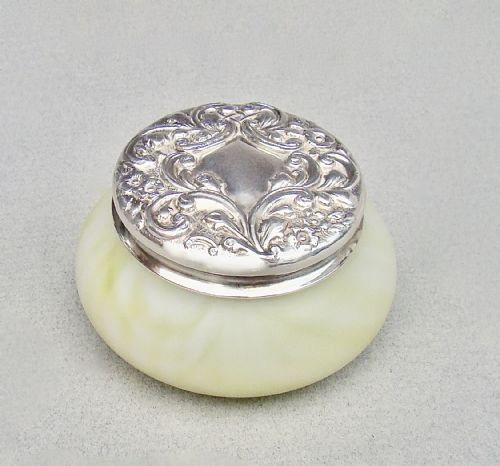
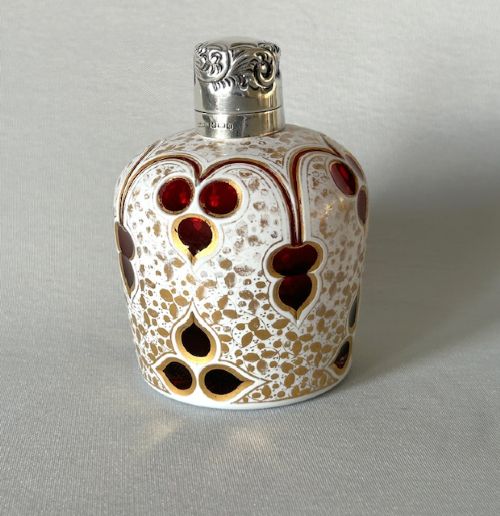
Forms range from small vanity jars and rouge pots to larger tea caddies and scent bottles. Many of these containers pair heavy sterling silver lids with cut glass, satin glass, or coloured glass bodies, occasionally featuring enamel work or inset porcelain plaques.
Materials and Construction
The fabrication of these pieces relies on the combination of sterling silver with blown, moulded, or cut glass. Silversmiths formed the lids and mounts through spinning, stamping, or casting, often adding engine-turned guilloche enamel or hand-painted porcelain plaques to the upper surface.
Glass bodies were frequently deep-cut, overlaid, or coloured in shades of blue, cranberry, ruby, and amethyst. Tortoiseshell and porcelain also appear as primary elements alongside the standard glass and silver configuration.
Sterling Silver Lid Jar Retail Price Guide 2026
Typical asking prices for sterling silver lid jar among the pieces listed under this phrase on Sellingantiques today, from the lower quarter to the upper quarter. They describe what is for sale here now, not the wider market.
Listings feature items spanning the Georgian era, Victorian period, Edwardian years, Art Deco movement, and mid-twentieth century.
Distinctions in Quality
Quality in these items rests upon the crispness of the silver maker marks, the weight of the metal lid, and the depth of the glass cutting. Finer examples display intricate hand-applied enamel, well-preserved gilding, and thick crystal bodies with precise faceting.
The harmony between the silver mount and the container defines the superior pieces. Marks indicating specific silversmiths and assay offices like Birmingham, Sheffield, and London provide assurance of the metal standard and origin.
A. J. Pepper & Co·A. Bromet & Co·Hasset & Harper·Ernest Druiff & Co·Omar Ramsden·Goldsmith's and Silversmith's Co·Asprey
The Sterling Silver Lid Jar Glossary
- Hallmark
- Official stamps applied to precious metals indicating the standard of purity, the assay office, and the date of manufacture. These marks provide the primary means of dating British silver items.
- Guilloche
- A decorative mechanical technique whereby precise, intricate patterns are engraved into metal beneath a translucent layer of enamel. This method was widely utilised during the Edwardian and Art Deco periods.
- Cut Glass
- Glass shaped and patterned by abrasive wheels, creating deep facets and light-reflecting designs. It forms the body of many vanity jars and scent bottles.
- Tea Caddy
- A small container originally designed to store loose tea leaves securely. In silver and glass, these often feature pull-off lids.
- Trinket Box
- A small receptacle intended for storing jewellery or small personal items on a dressing table. They frequently incorporate hinged silver lids and lined interiors.
Sterling Silver Lid Jar: Frequently Asked Questions
What were sterling silver lid jars used for?
These vessels served practical purposes on dressing tables, writing desks, and in the dining room. They held perfumes, cosmetics, pins, trinkets, tea, and condiments.
Their presence reflected the domestic routines of the Edwardian and Victorian periods, keeping personal items contained and decorative.
How can I tell the period of a silver lid jar?
The hallmarks stamped into the sterling silver provide the most reliable date for the piece. Letter ciphers correspond to specific assay years, while stylistic clues such as Art Deco geometric lines or Edwardian floral motifs offer further context.
The manufacturing techniques of the glass body also help determine the era of production.
How do I care for silver and glass items?
Cleaning requires a soft cloth and specialised silver polish applied gently around the glass mounts to avoid abrasion. Enamel and tortoiseshell surfaces need particular care, requiring only a dry or slightly damp cloth without chemical solvents.
Regular handling prevents tarnish accumulation in the detailed recesses of the metal.
Are the glass bodies and silver lids original to each other?
Most pieces maintain their original matched components, indicated by proportional fit and matching assay dates where applicable. Silversmiths custom-fitted mounts to specific glass blanks during production.
Examining the collar and the rim where the silver meets the glass reveals whether the elements belong together.