


Sterling Silver Heart
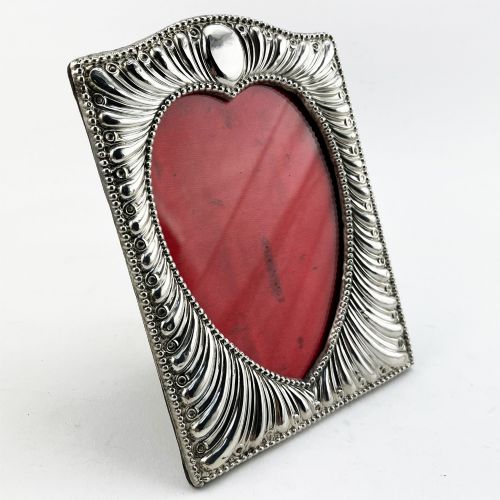
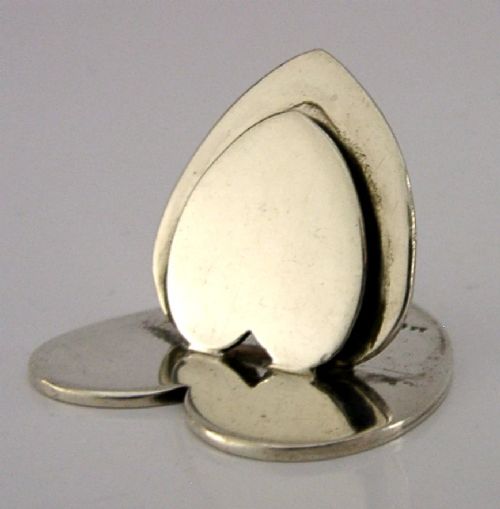
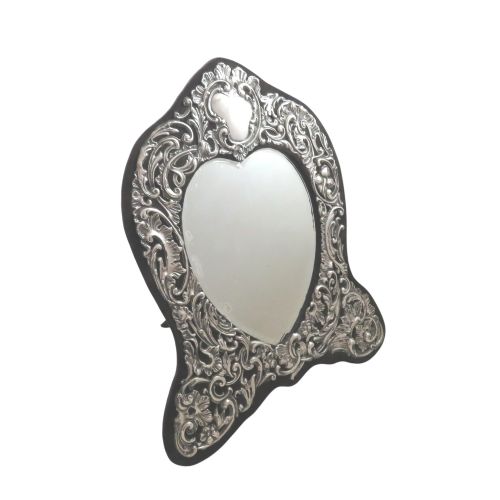
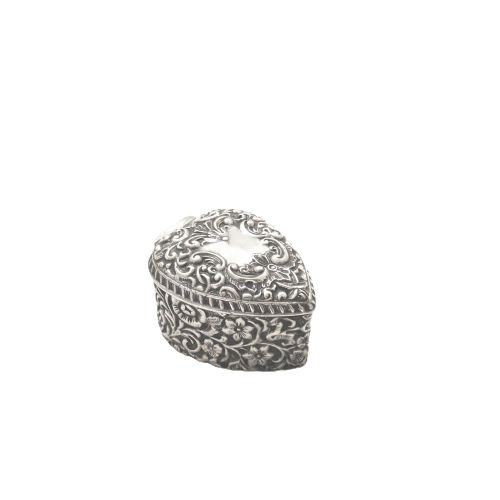
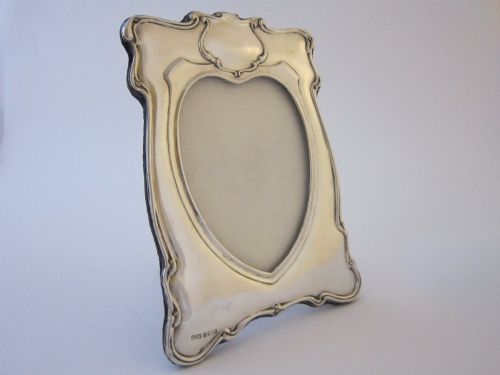
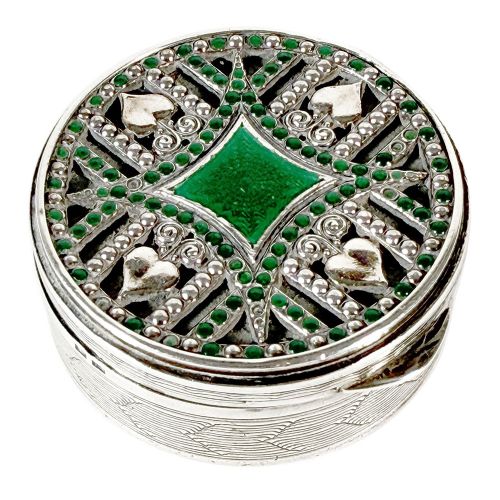
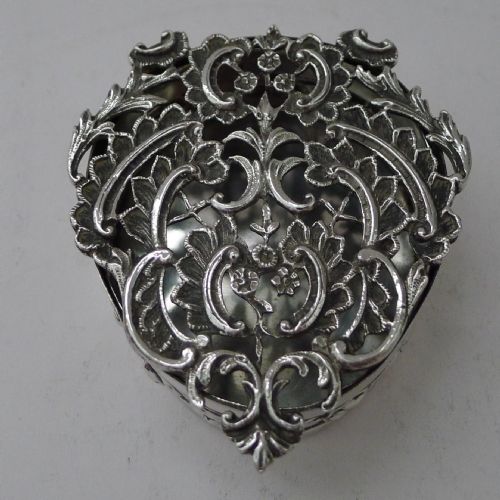
These sterling silver heart objects span delicate pendants, heavy photo frames and small trinket boxes made to hold tokens of affection.
Sterling Silver Heart
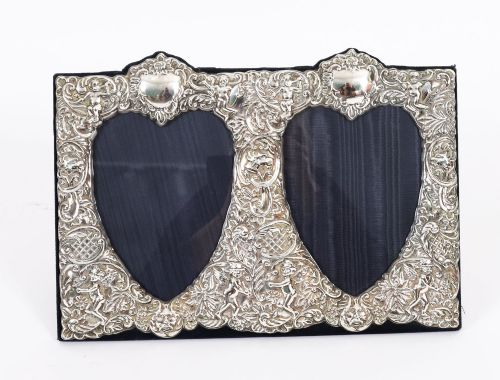
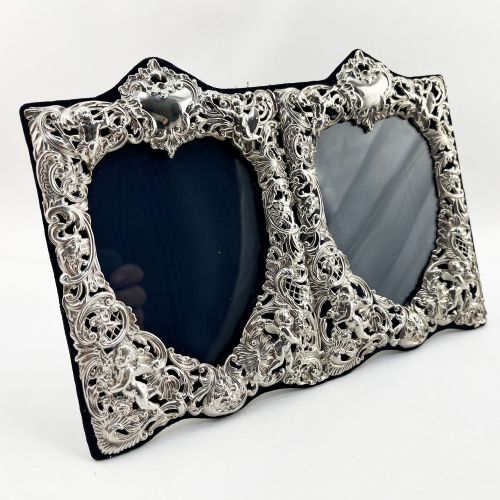
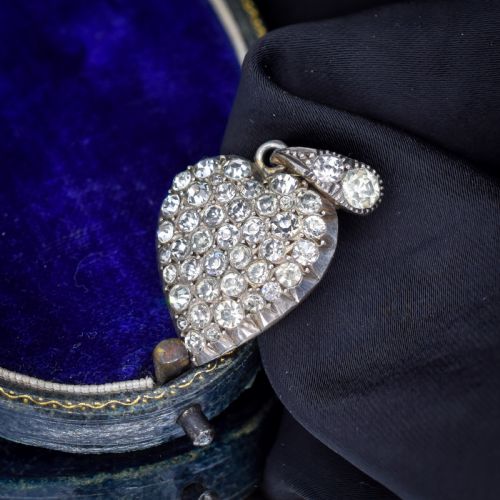
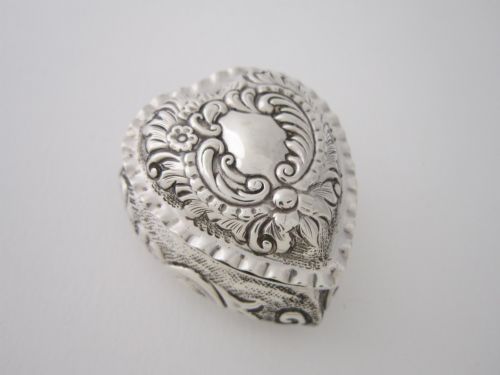
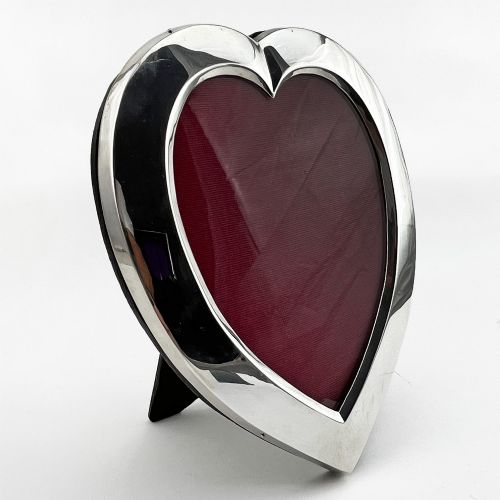
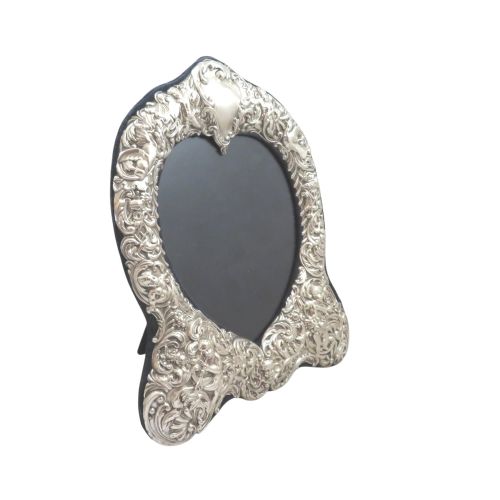
A sterling silver heart search reveals a distinct group of personal accessories and small domestic items spanning the Victorian, Edwardian and later periods. The most common forms met on this page are hinged trinket boxes, double and single photo frames, and personal pendants.
Makers shaped these pieces into symmetrical hearts, double hearts and witches hearts, often intended as sentimental gifts. The materials paired with the silver include enamel, glass, velvet, wood and paste stones.
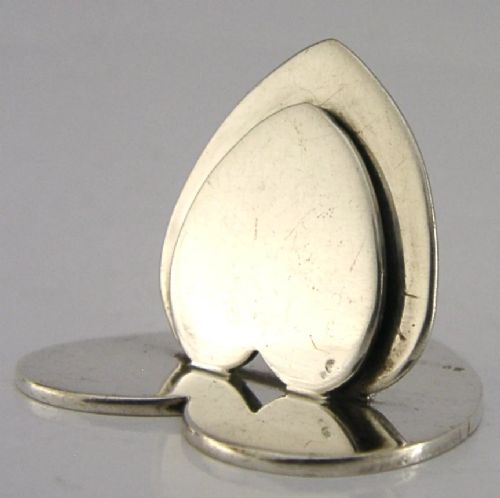
The selection ranges from small pill boxes and vesta cases bearing Birmingham and Chester hallmarks to larger dressing table mirrors and menu holders. Pieces from the late nineteenth century and early twentieth century dominate the available styles.
Materials and Technique
Silversmiths constructed these items using sterling silver sheet, which they pressed, spun or hammered into heart moulds. Planishing marks and embossed repoussé decoration appear frequently on frames and boxes, depicting cherubs, floral scrolls and Art Nouveau tendrils.
Internal elements often involve wooden or fabric structures lined with velvet to support glass panels in frames or to cushion contents in trinket boxes. Enamel and old-cut paste stones provide colour and sparkle on pendants, brooches and pill boxes.
Sterling Silver Heart Retail Price Guide 2026
Typical asking prices for sterling silver heart among the pieces listed under this phrase on Sellingantiques today, from the lower quarter to the upper quarter. They describe what is for sale here now, not the wider market.
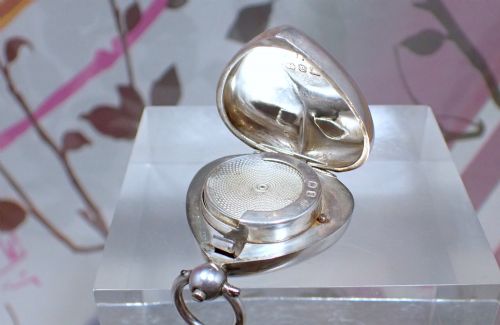
Several makers ensured your matches stayed dry in style by fashioning entire pocket vesta cases into polished silver hearts.
Assessing Quality
Quality rests upon the crispness of the repoussé work and the integrity of the hinges and clasps on boxes and lockets. Finer items retain clear hallmarks and deep, unrubbed relief on embossed motifs.
The thickness of the silver gauge dictates the rigidity of larger objects like photo frames and mirrors. Superior examples preserve original interior linings, undamaged enamel work and secure bezels holding paste stones.
Sampson Mordan·William Comyns·George Adam Scheid·Syner and Beddoes·Georg Jensen·George W Shiebler
The Sterling Silver Heart Glossary
- Repoussé
- Metalworking technique where the smith hammers the silver from the reverse side to form a raised design on the front. This method creates the dimensional floral and figural motifs seen on many frames and boxes.
- Paste
- Hand-cut glass used to imitate gemstones in historic jewellery. Old-cut paste adds sparkle to Victorian and Edwardian heart pendants and brooches.
- Vesta case
- A small pocket container designed to hold matches. Victorian examples shaped as hearts combine practical utility with sentimental design.
- Planishing
- The process of smoothing metal with a flat-faced hammer, leaving subtle facets that catch the light. This technique defines several Art Nouveau frames.
- Hallmark
- Official stamps struck into precious metal indicating the assay office, standard of purity and date letter. These marks allow precise dating of British silver.
Sterling Silver Heart: Frequently Asked Questions
What were sterling silver heart boxes used for?
These small vessels served as receptacles for trinkets, pins, sovereign coins or pills on dressing tables. Their heart shape denoted sentimental associations, making them frequent tokens of affection.
Today they function well for storing small modern items or as standalone decorative objects on a desk or shelf.
How do I date a silver heart photo frame?
Dating relies upon reading the hallmarks stamped into the silver border, which indicate the assay office and the specific year letter. Stylistic clues such as floral repoussé work or flowing Art Nouveau lines also point to the Victorian or Edwardian eras.
Examining the backing material, often wood covered in velvet or fabric, helps confirm the period of manufacture.
How should I clean antique silver?
Cleaning requires a soft microfiber cloth and a gentle silver polish formulated to remove tarnish without stripping the underlying metal. Avoid aggressive rubbing on embossed repoussé areas to protect the raised relief.
Store pieces in dry environments away from direct sunlight to minimise future oxidation.