




Sterling Silver Gravy Spoon
These sterling silver gravy spoon examples range from George III ladles to Victorian serving pieces, offering practical elegance for the dining table.
Sterling Silver Gravy Spoon
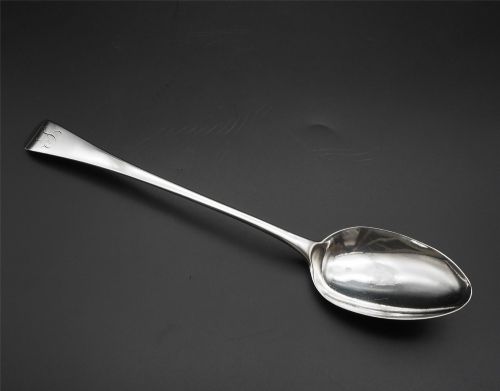
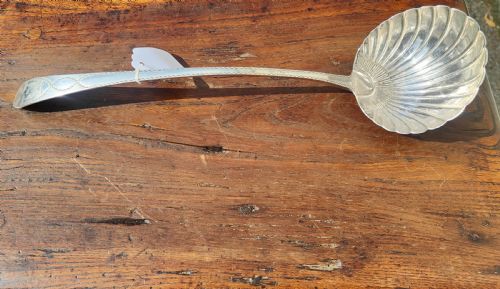
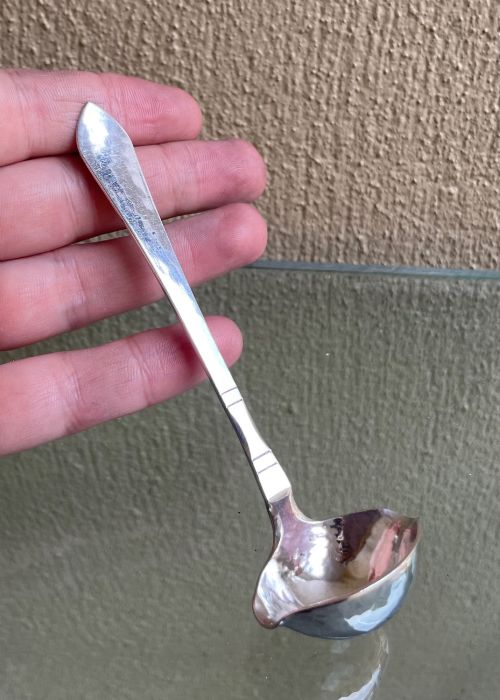
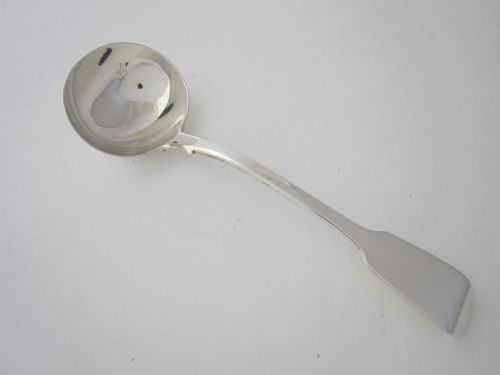
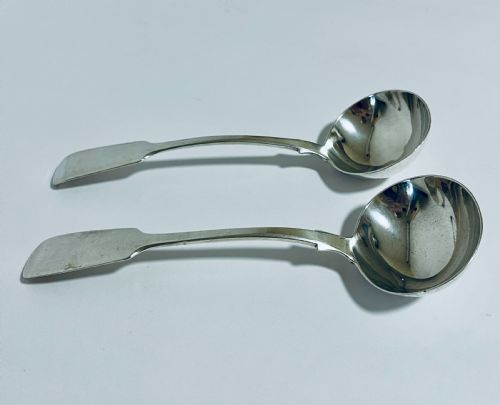
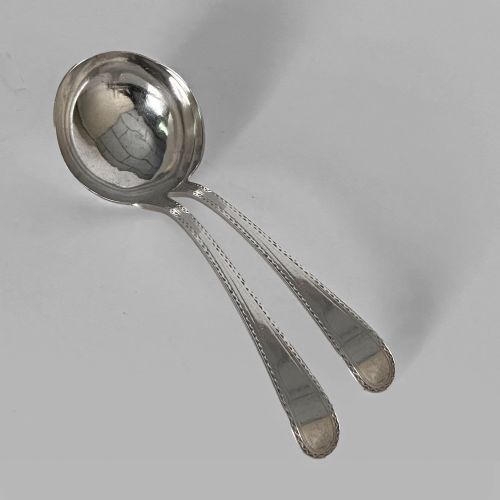
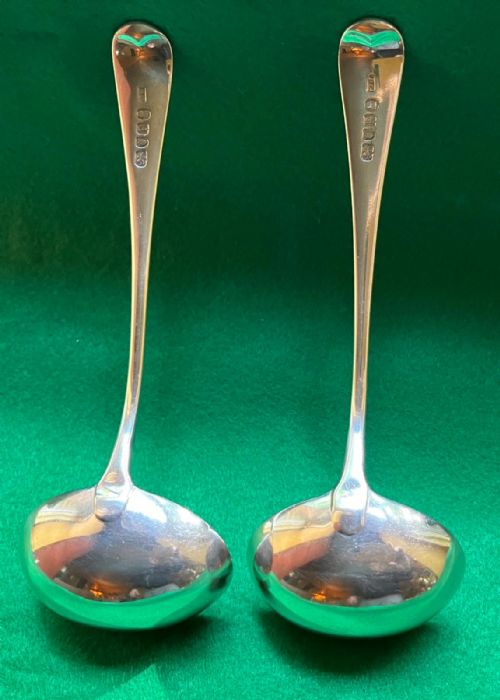
When you search for a sterling silver gravy spoon, you encounter a specialised form of flatware designed for serving sauces and juices. The examples span Georgian, Victorian, and Edwardian periods, including specific forms such as basting spoons, straining spoons, and sauce ladles.
How they were made
Makers utilised sterling silver and solid silver, sometimes incorporating horn or wood handles into the design. Cases lined with velvet or silk accompany specific cased sets.
The construction relies on traditional silversmithing techniques, producing heavy gauge bowls and stems. Ornate scrollwork and piercing mark the work on straining spoons and sauce ladles.
The listed materials include solid silver, sterling silver, horn, wood, velvet, and silk across multiple periods.
What varies in quality
The weight of the metal distinguishes standard production from heavy serving pieces. Substantial gauge silver provides rigidity in large basting and straining spoons.
The crispness of hallmarks and the precision of handle patterns define the standard of execution. Maker attribution, such as work by Hester Bateman or Georg Jensen, influences the character of the piece.
Hester Bateman·John Locker·Georg Jensen·Tiffany and Co·Samuel Meriton II
The Sterling Silver Gravy Spoon Glossary
- Gravy spoon
- A large spoon designed for serving pan juices or sauces at the table. These pieces often feature deep bowls and extended handles.
- Straining spoon
- A spoon with an internal barrier or pierced bowl used to separate solids from liquids. This form appears in Georgian and later inventories.
- Fiddle pattern
- A nineteenth-century flatware design characterised by a shoulder at the top of the stem resembling a violin. It remains a common style in Victorian silver.
- Old English pattern
- A traditional eighteenth-century flatware design with a downturned terminal. This style frequently appears on George III examples.
- Basting spoon
- An oversized spoon originally intended for moistening meat during roasting. They double as large serving utensils in modern dining contexts.
Sterling Silver Gravy Spoon: Frequently Asked Questions
What is a sterling silver gravy spoon used for?
These pieces serve sauces, gravies, and juices from a boat or tureen to the plate. Their generous bowl capacity ensures efficient portioning during a meal.
Collectors also utilise large basting spoons as general serving utensils for vegetables and roast meats.
How do I care for antique silver spoons?
Wash the silver by hand in warm soapy water and dry it immediately with a soft cloth. Avoid harsh chemical dips that strip the natural patina accumulated over centuries.
Store the items in tarnish-resistant rolls or lined presentation cases when not in active use.
How can I date a silver gravy spoon?
Examine the stamped hallmarks on the reverse of the stem, which typically include a maker's mark, a town mark, and a date letter. These official stamps record the exact assay office and year of production.
Stylistic indicators such as the Fiddle or Old English pattern provide a secondary guide to the period of manufacture.