


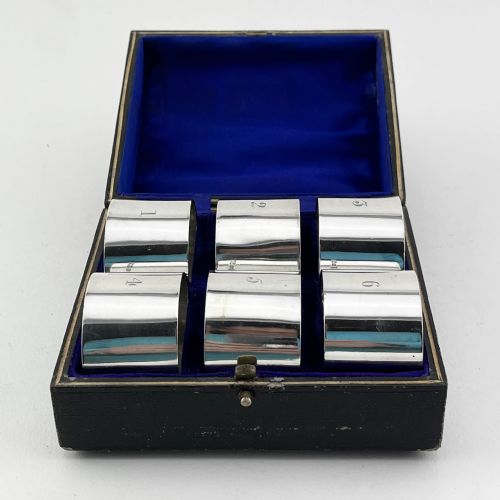


Sterling Silver Fitted Box
When a sterling silver fitted box comes into your hands, you hold a secure vessel fashioned to protect vanity sets, condiments, or small instruments.
Sterling Silver Fitted Box
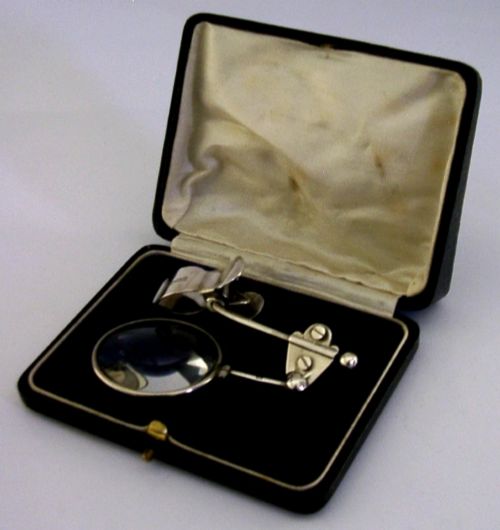
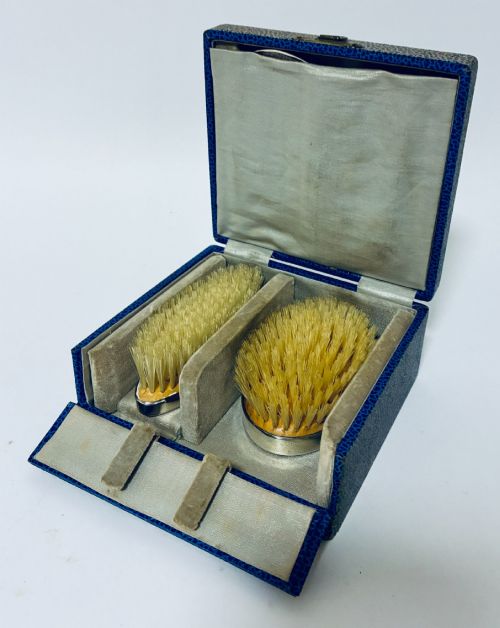
A sterling silver fitted box is an engineered receptacle designed to hold specific implements snugly within moulded interiors, spanning George III, Victorian, Edwardian, and Art Deco periods. The form includes vanity sets, shaving kits, vinaigrettes, and instrument cases housing items like magnifying glasses.
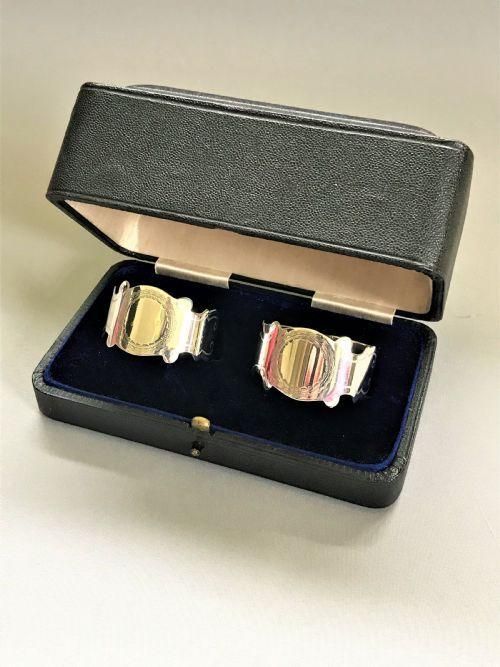
The versions you meet most frequently on this page date from the nineteenth and twentieth centuries, often lined with silk, velvet, or satin to cushion silver spoons, napkin rings, or tea services. These pieces reflect domestic organisation and personal grooming habits of their respective eras.
Makers housed these silver objects in tailored outer cases covered in leather or leatherette, maintaining a strict internal geometry. Each recess matches the contour of the tool it carries, whether an etui, a pair of grape shears, or communion vessels.
Materials and construction
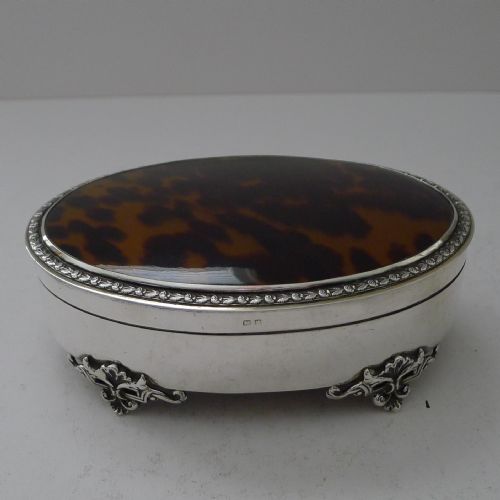
Silversmiths formed the primary exterior components from sterling silver, shaping panels and hinged lids that often bear hallmarks for towns like Sheffield and Chester. They combined this metal with internal frames lined in textiles such as silk, velvet, and satin.
Outer protective cases required sturdy foundations covered in leather or leatherette, engineered to withstand frequent handling. Artisans fitted these compartments precisely to secure delicate silver cutlery, glass containers, and tortoiseshell panels without movement.
Sterling Silver Fitted Box Retail Price Guide 2026
Typical asking prices for sterling silver fitted box among the pieces listed under this phrase on Sellingantiques today, from the lower quarter to the upper quarter. They describe what is for sale here now, not the wider market.
Listings feature sterling silver fitted boxes spanning from George III and Victorian eras through to the mid-twentieth century.
Distinctions in quality
Quality rests in the precision of the internal fit and the integrity of the lining materials. A superior box maintains exact congruence between the silver implement and its velvet or silk bed, showing no structural sagging or fraying.
The distinction between standard domestic wares and exceptional pieces also lies in the craftsmanship of the exterior silver and leatherwork. Maker marks from established workshops indicate higher standards of design and heavier gauge silver.
Nathaniel Mills·R E Stone·Cooper Brothers and Sons·Harry Atkin·Hermes Paris
The Sterling Silver Fitted Box Glossary
- Sterling silver
- An alloy comprising ninety-two point five percent silver and seven point five percent other metals, typically copper. This standard ensures the durability required for functional boxes and implements.
- Vinaigrette
- A small ornamental box featuring an internal pierced grille, designed to hold a sponge soaked in aromatic vinegar. These were carried during the Georgian and Victorian periods to mask unpleasant odours.
- Etui
- A small compact case used to hold needles, scissors, tweezers, and other personal implements. These delicate containers often feature fitted compartments lined with silk or velvet.
- Hallmark
- An official stamp applied to precious metals indicating purity, the assay office, and the date of manufacture. These marks allow collectors to trace the exact origin of a silver box.
- Leatherette
- A synthetic imitation leather material utilised to cover the exterior of protective cases. It gained popularity in the nineteenth and twentieth centuries for durable, water-resistant outer layers.
Sterling Silver Fitted Box: Frequently Asked Questions
What goes inside a fitted box?
These containers are built to house specific groupings of items, such as vanity accessories, tea spoons, or shaving implements.
Each object rests in a designated slot shaped to its exact silhouette, preventing transit damage.
How do I date these boxes?
Dating relies upon official silver hallmarks stamped on the metal components, alongside stylistic cues from periods like Edwardian or Art Deco.
The materials used for the internal linings also offer strong indicators of the manufacturing decade.
How should I clean the silver?
Gentle maintenance involves using a soft cloth designed for precious metals to remove tarnish without disturbing the surrounding textile lining.
Harsh chemical dips must be avoided to protect fragile silk, velvet, and leather components.
Were these boxes meant for travel?
Many examples, including travelling communion sets and vanity kits, were constructed specifically for journeys.
Their robust leather or leatherette outer shells safeguarded the internal silver during transit.