
Sterling Silver Dishes
Sterling silver dishes range from Victorian berry bowls to Edwardian bonbon baskets, offering functional elegance for the table.
Sterling Silver Dishes
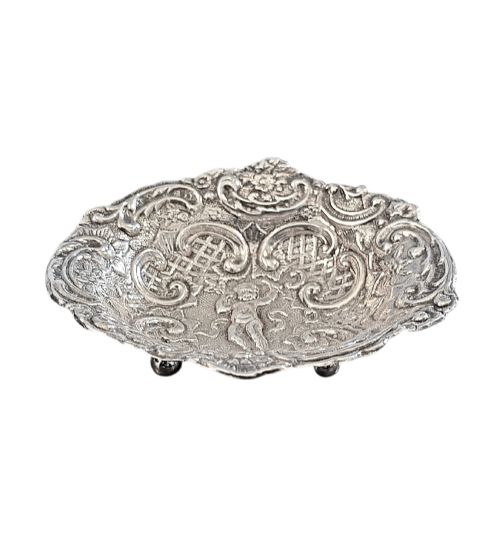
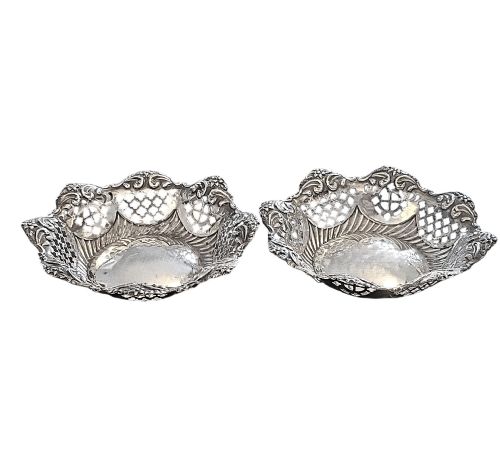
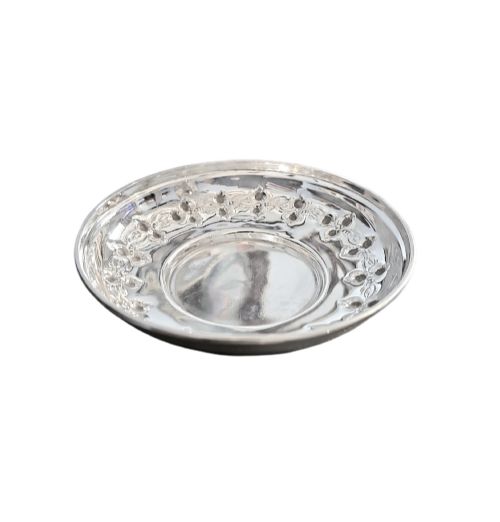
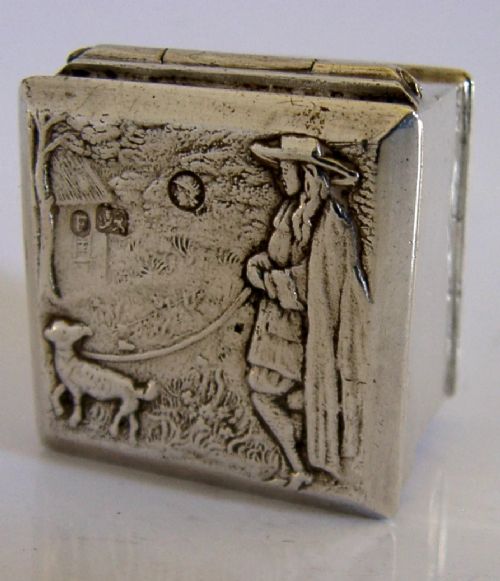
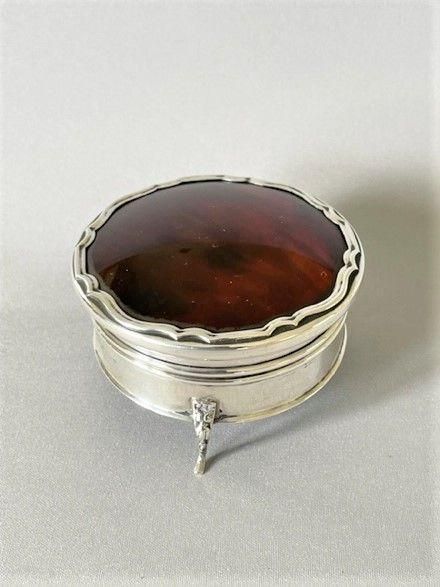
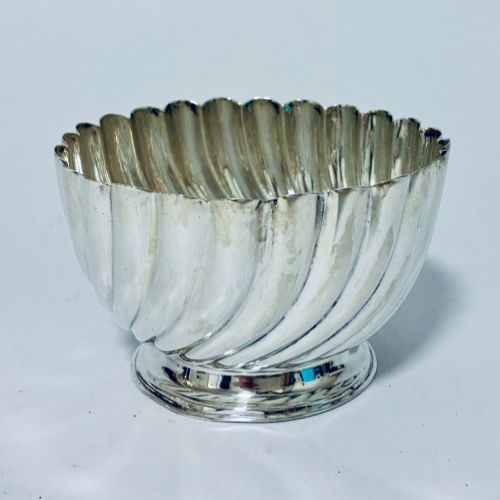
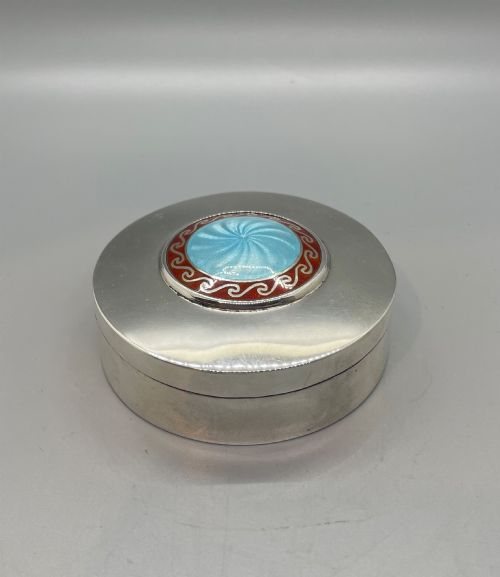
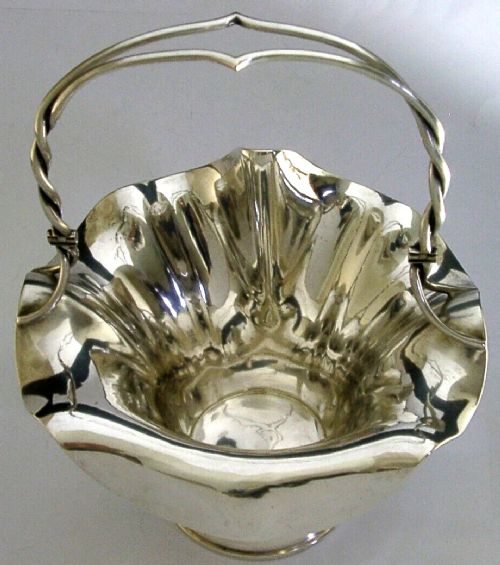
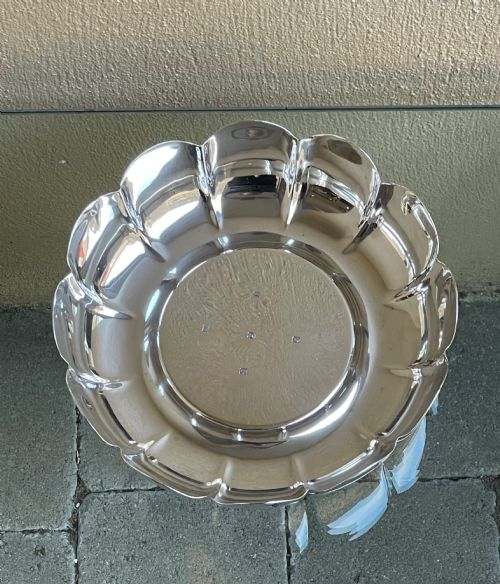
Sterling silver dishes encompass a wide variety of domestic vessels, including bonbon dishes, trinket boxes, tazzas, and salt cellars.
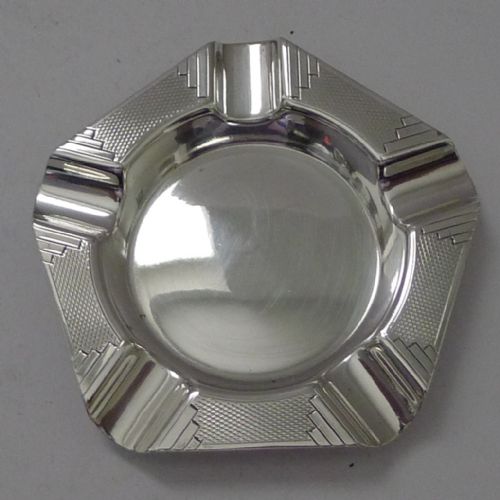
Makers from the Victorian, Edwardian, and Art Deco periods shaped these items into both functional tableware and decorative objects.
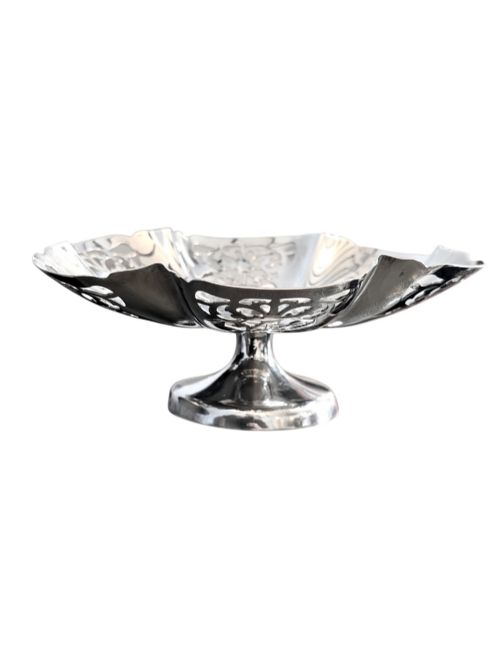
Buyers frequently encounter handled baskets, shell-shaped butter dishes, and pedestal bowls originating from British, European, and American workshops.
Materials and Technique
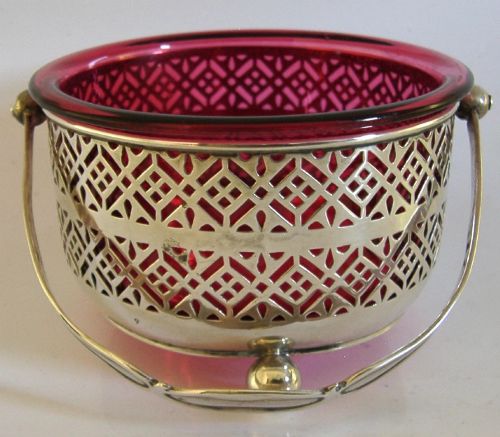
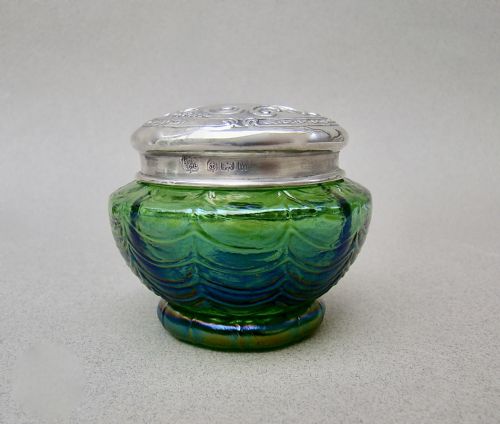
Silversmiths utilised solid sterling silver, often combining the metal with cut glass, crystal, or coloured glass liners such as cranberry and cobalt.
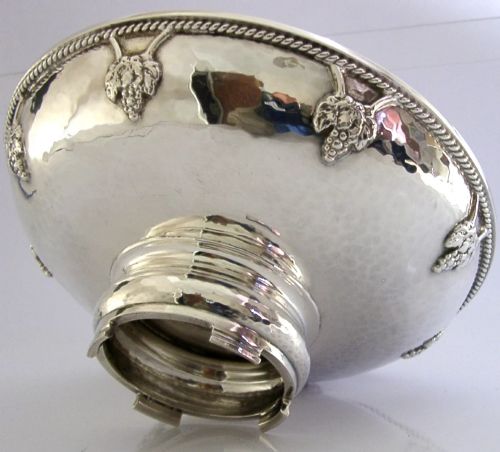
Techniques ranged from traditional casting and piercing to hand-hammered planishing favoured by Arts and Crafts makers.
Interior gilding, enamel accents, and fitted leather presentation cases frequently accompanied high-status domestic tablewares.
Several pieces take the literal form of rowing boats, complete with movable oars and tiny steering coxswains.
Evaluating the Pieces
The weight and thickness of the silver gauge dictate the structural integrity and tactile feel of each vessel.
Clarity of hallmarks, precision of piercing, and the complexity of embossed or cast decoration distinguish standard production from superior craftsmanship.
Original matching components, such as glass inserts, liners, and fitted presentation cases, elevate the completeness of surviving items.
Walker And Hall·A E Jones·Liberty And Co·Georg Jensen·Goldsmiths And Silversmiths Company
The Sterling Silver Dishes Glossary
- Sterling silver
- An alloy consisting of 92.5 percent silver and 7.5 percent other metals, typically copper, used to ensure durability in tableware. This standard has governed British silversmithing for centuries.
- Bonbon dish
- A small, decorative open vessel designed specifically for holding sweets or small confectionery. These items often feature pierced or footed designs from the Victorian and Edwardian eras.
- Tazza
- A shallow saucer-like dish mounted on a stem and foot, used historically for serving small items of food. Arts and Crafts silversmiths frequently utilised this form to display hammered surfaces.
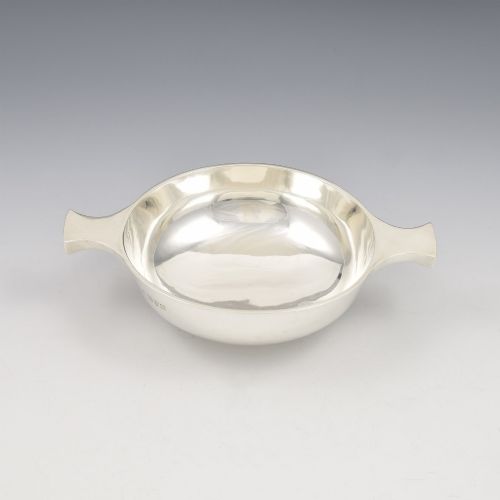
- Quaich
- A traditional two-handled drinking vessel of Scottish origin, adapted in silver for use as a shallow bowl or dish. They appear with flat handles known as lugs.
- Planishing
- A hammering technique employed by silversmiths to smooth sheet metal and create a distinct faceted surface texture. This method is a hallmark of the Arts and Crafts movement.
Sterling Silver Dishes: Frequently Asked Questions
How were sterling silver dishes used historically?
These vessels served various domestic functions at the dining table, ranging from holding butter and condiments to presenting bonbons and fruit. Many smaller examples functioned as trinket trays or as salt cellars.
Wealthy households utilised specialised dishes for pickles, nuts, and sweets during formal meals. Over time, their roles shifted from practical dining implements to decorative display items.
What periods do these silver dishes date from?
The pieces span multiple eras, with significant representation from the Victorian and Edwardian periods alongside George V and Art Deco designs. Earlier examples extend into the eighteenth century.
Stylistic shifts reflect changing tastes, moving from ornate Victorian floral repoussé to clean geometric Art Deco lines and organic Arts and Crafts forms.
How do I identify the maker and date?
British pieces typically feature a series of hallmarks stamped directly into the metal, denoting the maker's mark, standard mark, assay office, and a date letter. Foreign items may carry standard silver purity stamps.
Consulting assay office records alongside maker registries helps determine the precise year of manufacture and the silversmith responsible for the piece.
How should I care for antique silver dishes?
Regular dusting with a soft, dry cloth prevents the accumulation of particulate matter. When polishing becomes necessary, use a non-abrasive silver cream applied with gentle pressure.
Avoid harsh chemical dips that can strip desirable patination, and store pieces away from rubber or damp environments to prevent tarnishing.