

Sterling Silver Christening
Sterling silver christening gifts involve enduring metal items such as mugs, tankards, and boxed cutlery sets presented to mark a child's naming ceremony.
Sterling Silver Christening
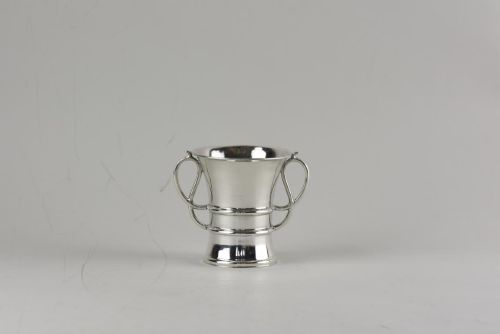
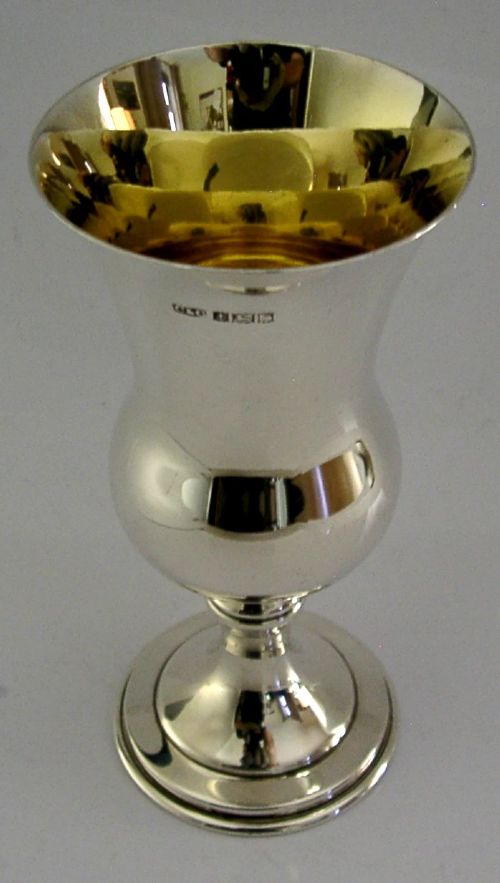
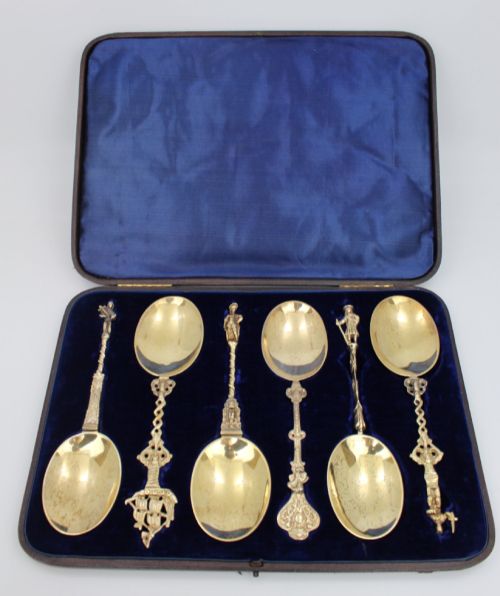
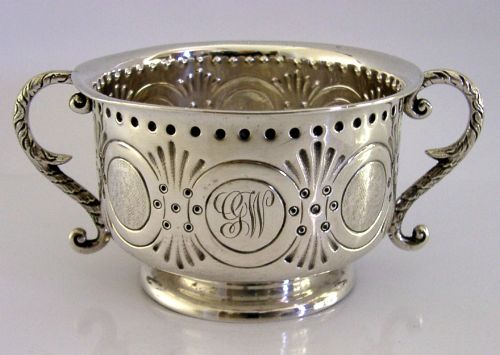
When searching for sterling silver christening items, buyers encounter a traditional selection of domestic silver created to mark early childhood milestones. The forms range from small mugs and tankards to two-handled porringers, quaichs, and fitted boxed sets containing spoons and forks.
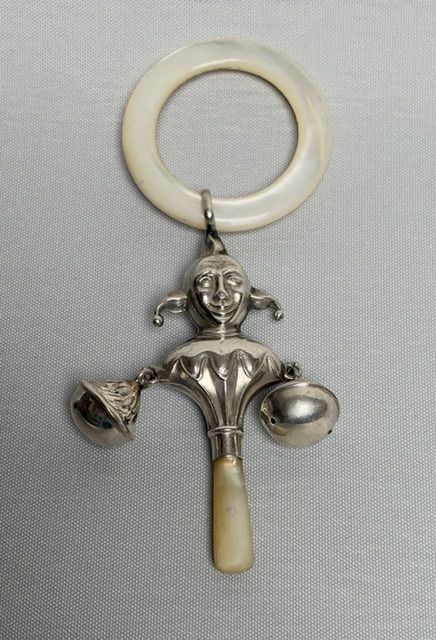
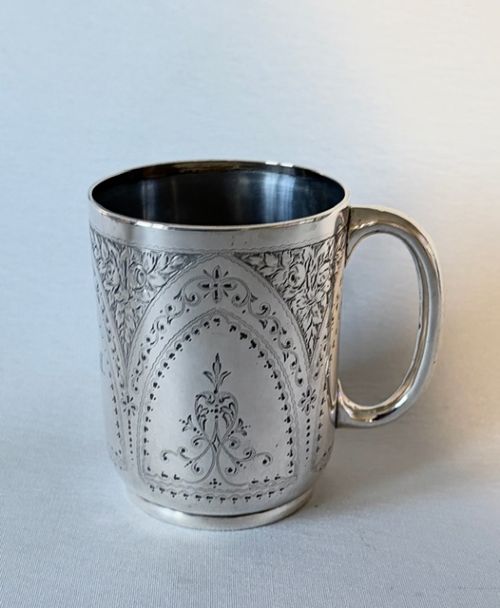
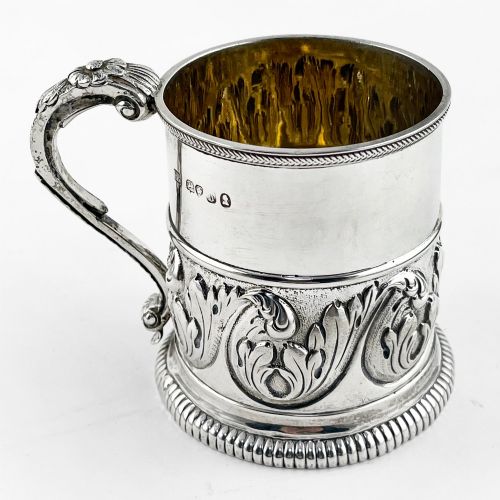
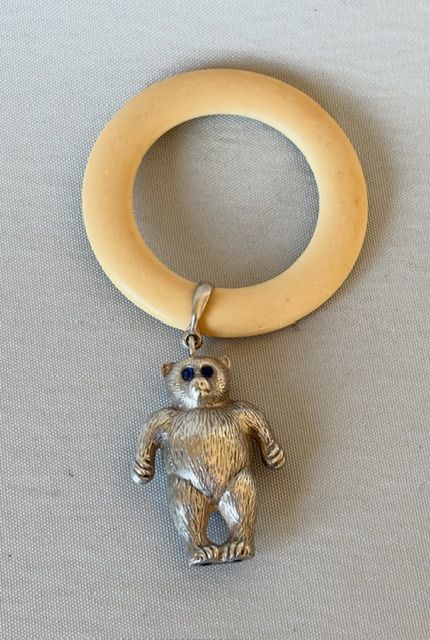
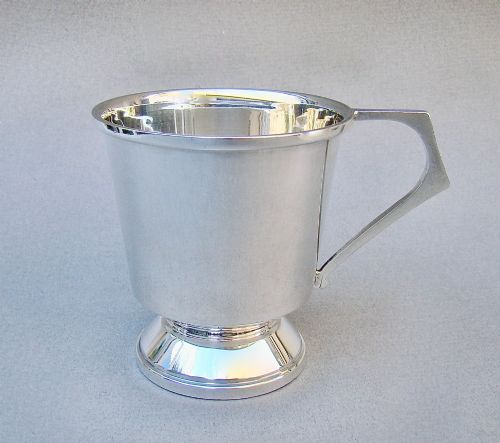
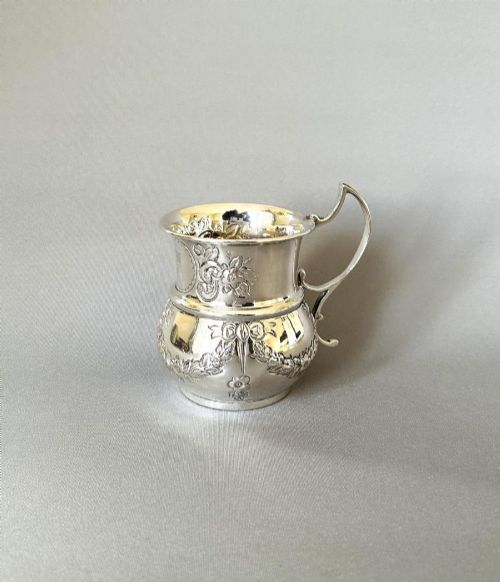
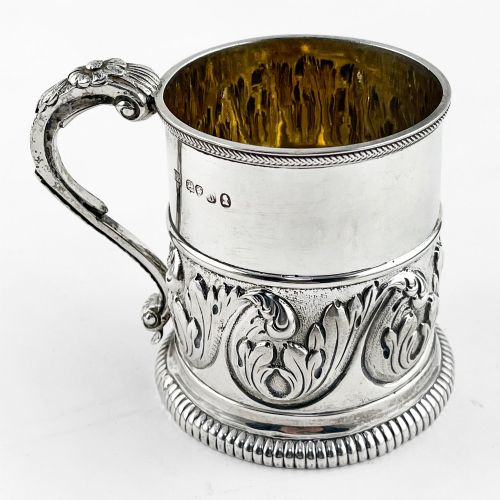
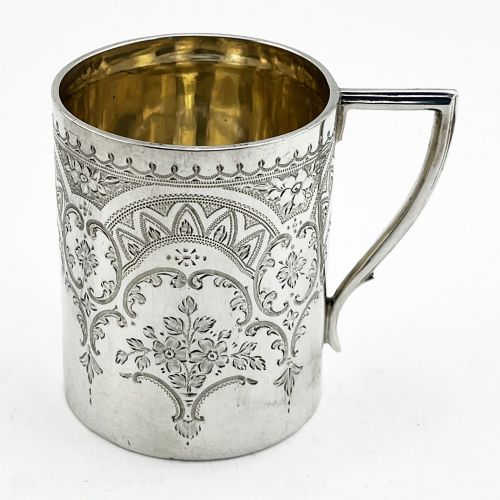
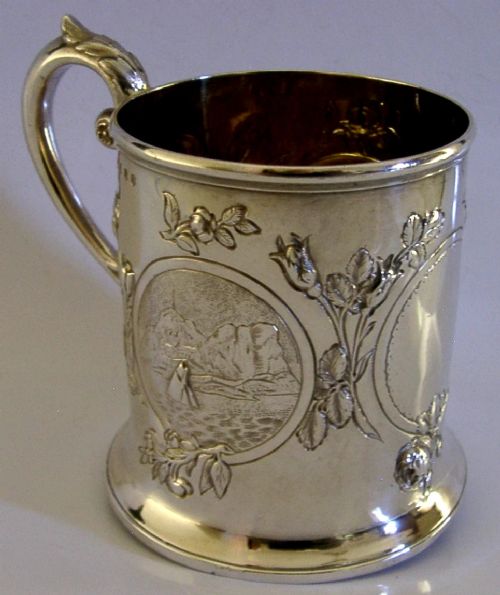
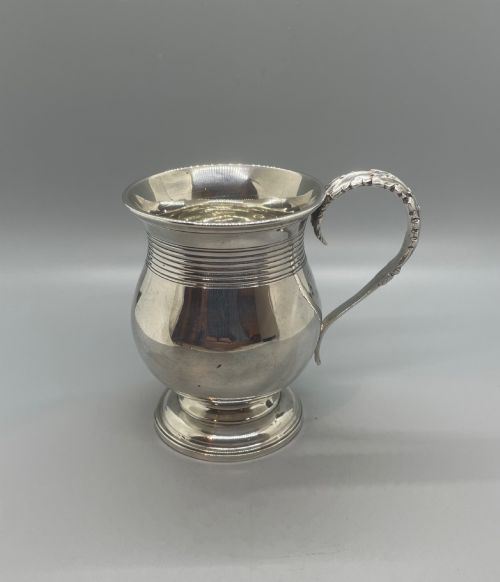
Mugs and tankards dominate the selection, appearing with plain bodies, scroll handles, or floral engravings dating from the Georgian period through the Victorian and Edwardian eras into the mid-twentieth century. Other notable forms include apostle spoons, novelty napkin rings, and baby rattles.
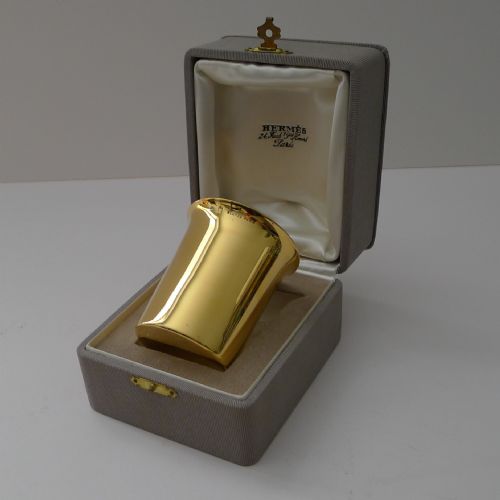
The origins span English provincial and capital assay offices, notably London, Birmingham, and Sheffield, alongside occasional international makers such as Hermes of Paris. Buyers most frequently meet pieces produced during the reign of George V and the Victorian era, reflecting historical gifting practices.
How they were made
The objects are formed primarily from sterling silver, occasionally finished with gold gilt or silver gilt surfaces, and housed in fitted boxes lined with velvet, silk, or leather. Metalsmiths utilised traditional raising and hammering techniques to shape vessels from sheet silver, demonstrated by planished surfaces on specific Arts and Crafts bowls.
Surface decoration relies on hand engraving, floral motifs, and cast scroll handles soldered to body walls. Fitted presentation sets integrate textiles such as silk and velvet within leather-covered cases to protect the polished silver items inside.
Sterling Silver Christening Retail Price Guide 2026
Typical asking prices for sterling silver christening among the pieces listed under this phrase on Sellingantiques today, from the lower quarter to the upper quarter. They describe what is for sale here now, not the wider market.
Listings span multiple eras from Georgian and Victorian times through Edwardian periods to Mid-Century Modern designs.
What varies in quality
Quality rests upon the weight of the metal and the crispness of the original hallmarks stamped by assay offices in London, Birmingham, or Sheffield. Substantial gauge silver provides a reassuring heft in the hand, separating heavier presentation pieces from lighter utilitarian versions.
The standard of execution in hand engraving and the survival of fitted original presentation boxes influence the character of an item. Pieces bearing the marks of recognised makers or specialist workshops demonstrate superior design coherence in handles, rims, and overall proportions.
Joseph Gloster·Deakin & Francis·R E Stone·Barker Bros·Tiffany & Co
The Sterling Silver Christening Glossary
- Hallmark
- Official stamps struck into precious metals to guarantee purity, origin city, and date of manufacture. These marks allow collectors to trace a piece to specific assay offices such as London or Birmingham.
- Quaich
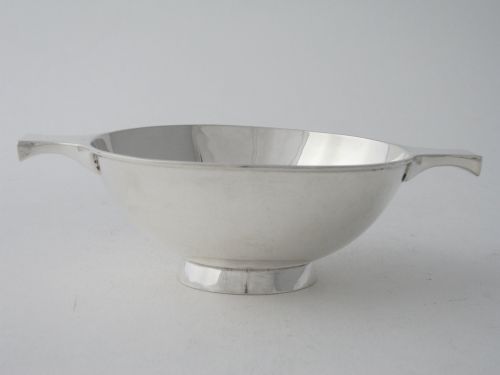
- A traditional shallow two-handled drinking vessel originating in Scotland, often produced in sterling silver during the twentieth century. It functions as an alternative form for gift bowls.
- Porringer
- A small bowl equipped with one or two horizontal flat handles, used historically for porridge or broth. In silver christening selections, these appear as circular bowls suitable for presentation.
- Gilt
- Silver or another base metal covered with a thin layer of gold, creating a contrasting golden interior or surface finish. This technique appears on apostle spoons and presentation cups.
- Planished
- A surface texture created by repetitive light hammer blows, leaving controlled facets across the silver. This technique is characteristic of Arts and Crafts metalwork.
Sterling Silver Christening: Frequently Asked Questions
What are sterling silver christening gifts used for?
These silver items were traditionally presented by godparents or family members to commemorate a child's baptism or naming ceremony. Mugs, porringers, and spoons served as lasting keepsakes intended to be kept throughout the recipient's life.
While some mugs and tankards were functional vessels for daily use, many presentation sets and novelty items remained safely stored in fitted velvet or silk-lined boxes as decorative heirlooms.
How do I care for antique silver?
Antique silver requires gentle cleaning with non-abrasive cloths and dedicated silver polishes to maintain its lustre without wearing away thin engraving. Regular handling helps prevent severe tarnish buildup on display surfaces.
Items lined with original velvet, silk, or leather should be kept away from moisture and direct sunlight to preserve the structural integrity of the fitted presentation cases.
How do I identify the age of a silver mug?
Age is determined by reading the set of hallmarks stamped into the silver, which typically include a maker's mark, a standard mark indicating sterling purity, an assay office symbol, and a date letter. Comparing these stamps against historical hallmarking charts reveals the exact year of assay.
Stylistic indicators such as scroll handles, floral engraving, or planished Arts and Crafts surfaces also point toward specific manufacturing decades.
What is the difference between a porringer and a quaich?
A porringer is a circular bowl featuring one or two flat, ear-like handles projecting from the rim, designed for holding soft foods or broth. They often include matching covers in antique examples.
A quaich is a traditional Scottish shallow two-handled drinking vessel with short, lug-style handles set opposite each other. Both forms appear frequently in twentieth-century silver presentations.