

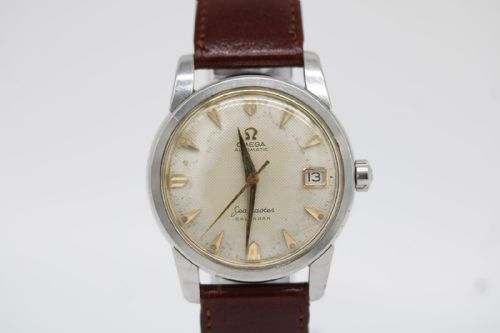

Steel Omega Automatic
A steel omega automatic brings mid-century mechanical reliability to the wrist, offering dependable daily wear with classic vintage styling.
Steel Omega Automatic
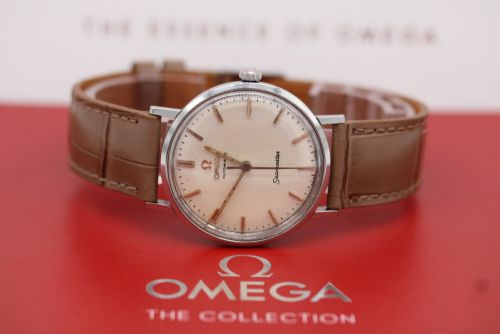
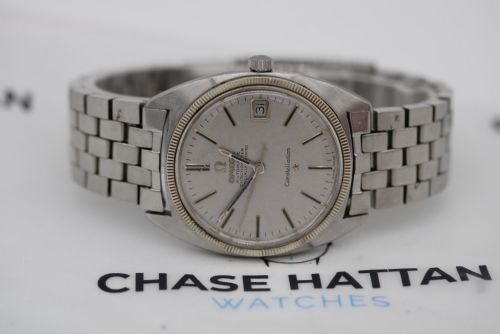
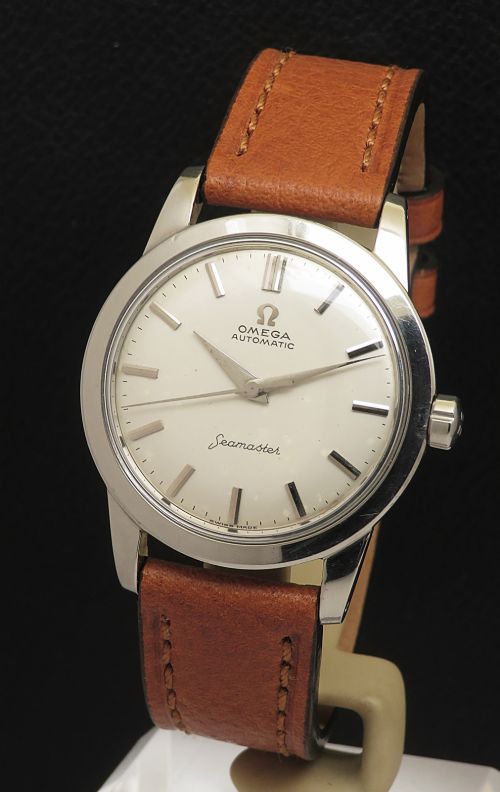
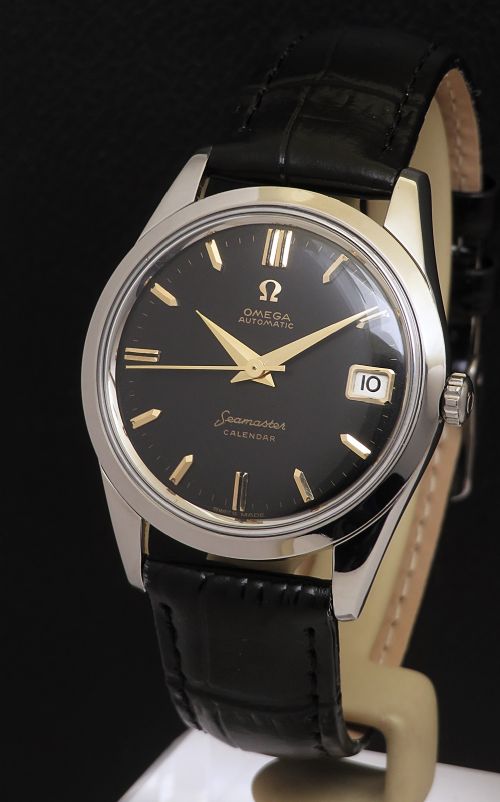
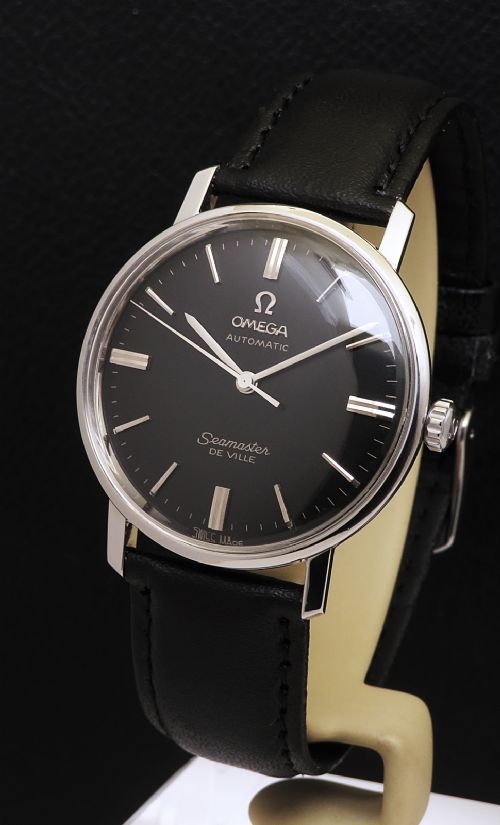
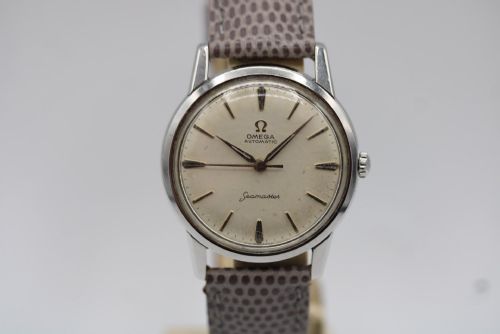
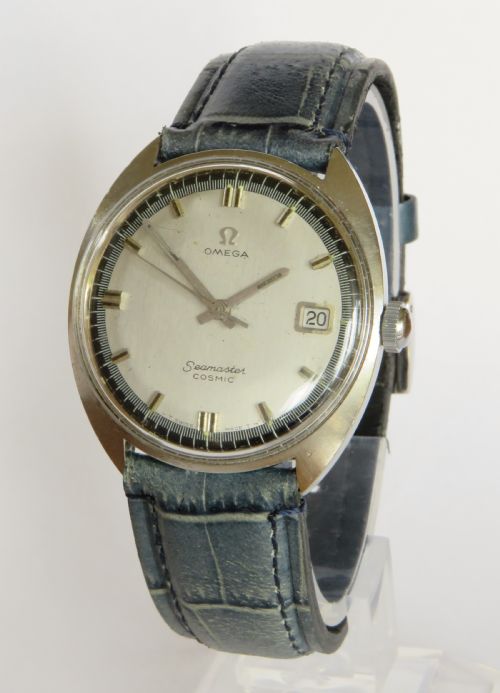
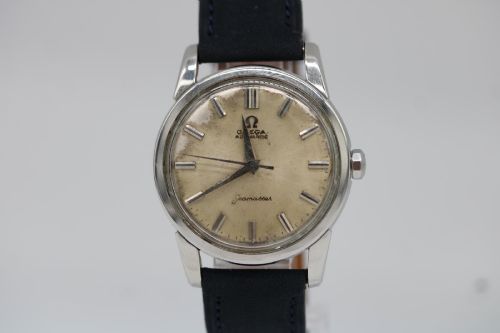
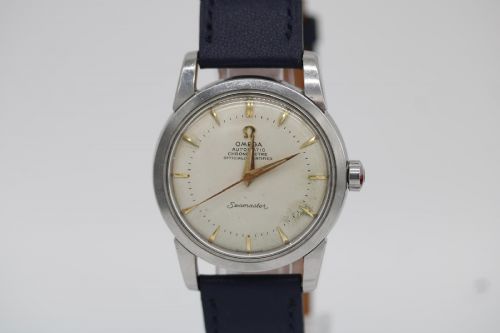
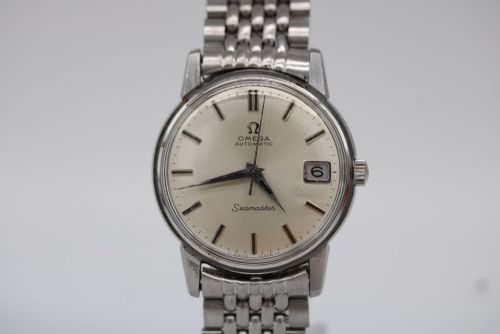
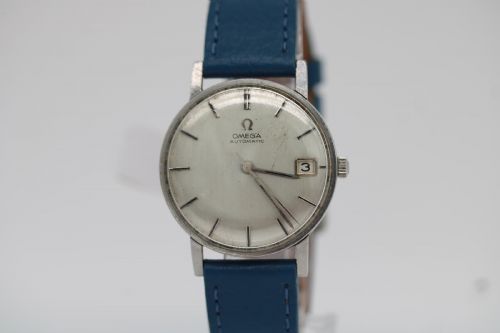
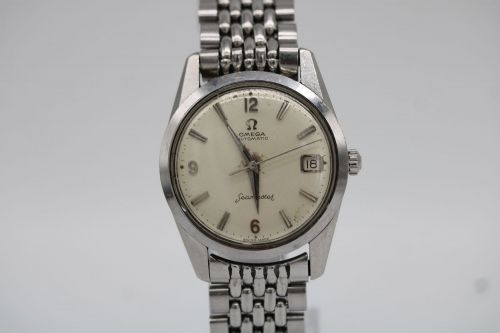
When you search for a steel omega automatic, you are looking at mid-century wristwatches powered by self-winding mechanical movements housed in stainless steel cases. These timepieces mostly date from the nineteen-fifties and nineteen-sixties, capturing a period when wristwatches transitioned from delicate dress items to robust everyday accessories.
The selections available here heavily favour the Seamaster line, alongside Constellation, DeVille, Cosmic, and Geneve variants. You will encounter models featuring distinct dials such as linen, honeycomb, or patinated surfaces, often paired with stainless steel cases measuring around thirty-four to thirty-five millimetres.
Most examples hail from the nineteen-fifties and nineteen-sixties, reflecting the golden age of mechanical watchmaking. The predominant styles span mid-century modern design principles, prioritising clean lines, legible markers, and functional durability.
Factors influencing quality
Quality variation rests largely upon the original condition of the dial and the preservation of the case edges. Untouched or unrestored dials retain their factory finish and markings, whereas heavy moisture exposure or aggressive cleaning alters the surface texture and legibility.
Case integrity also dictates standard, as unpolished steel retains sharp bevels and factory contours that softer, over-polished examples lose over decades of service. Furthermore, the presence of original signed crowns, matching bracelets, and documented service history elevates a piece above standard examples.
Steel Omega Automatic Retail Price Guide 2026
Typical asking prices for steel omega automatic among the pieces listed under this phrase on Sellingantiques today, from the lower quarter to the upper quarter. They describe what is for sale here now, not the wider market.
Listings feature stainless steel cases, leather straps, and acrylic glass crystals spanning the nineteen-fifties and nineteen-sixties.
Omega
The Steel Omega Automatic Glossary
- Automatic
- A self-winding mechanical movement that harnesses wrist movement to power the watch. This mechanism winds the mainspring continuously while worn.
- Calibre
- The specific manufacturer designation for a watch movement model. It identifies the internal engineering and layout designed by the factory.
- Bumper
- An early form of automatic movement where the rotor swings back and forth against springs rather than rotating fully. This creates a distinct physical tap felt on the wrist.
- Chronometer
- A high-precision watch movement that has passed rigorous official accuracy tests under various temperatures and positions. These certifications indicate superior timekeeping performance.
- Acrylic
- A lightweight synthetic material used for watch crystals before the widespread adoption of sapphire glass. It can be polished to remove minor surface scratches.
Steel Omega Automatic: Frequently Asked Questions
How do I wind an automatic watch?
An automatic watch winds itself automatically through the natural movement of your arm during daily wear. If the watch has stopped completely, give the crown a few manual turns to jumpstart the movement before putting it on.
Avoid over-winding daily if the watch is worn regularly, as the internal slip-spring prevents damage but excessive manual cranking is unnecessary.
Are these watches waterproof?
Vintage steel omega automatic models were often water-resistant when first manufactured decades ago. However, rubber seals and gaskets degrade significantly over time.
Modern humidity and water exposure will damage vintage movements, so keep these wristwatches away from swimming, showers, and heavy rain.
What size are vintage steel watches?
Most pieces from this era measure between thirty-four and thirty-five millimetres in case diameter. This proportion reflects mid-century dress codes, offering a discreet and elegant profile on the wrist.
While smaller than contemporary timepieces, these dimensions sit comfortably under shirt cuffs and suit modern classic styling.
How often should a vintage watch be serviced?
Mechanical watches require periodic cleaning and oiling of their internal gears every few years to prevent wear on the metal components. Regular servicing ensures the lubricants do not dry out and gum up the escapement.
A properly maintained movement keeps more accurate time and preserves the longevity of the vintage parts.