



Steel Luxury Watch
A steel luxury watch brings mid-century horology to the wrist, offering durable stainless steel housings paired with mechanical movements.
Steel Luxury Watch
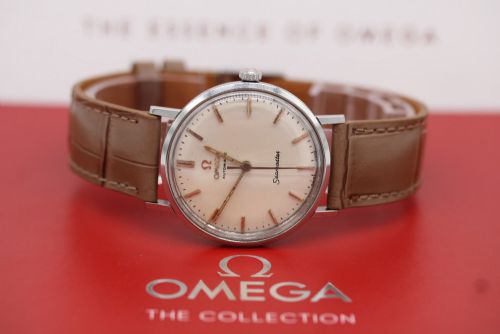
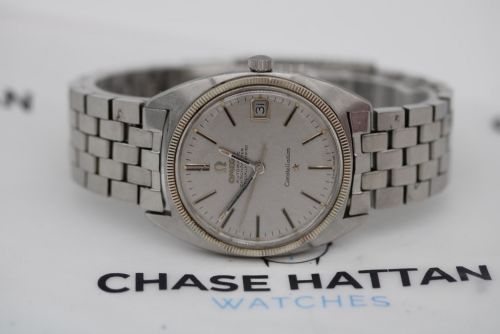
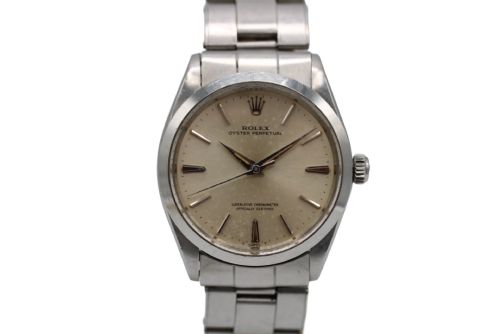
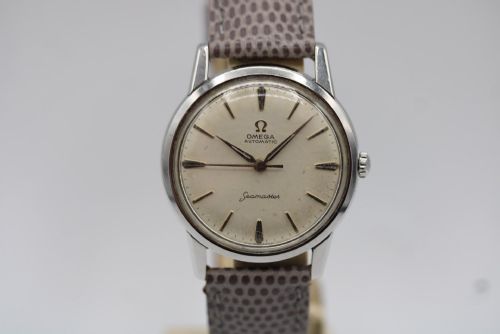
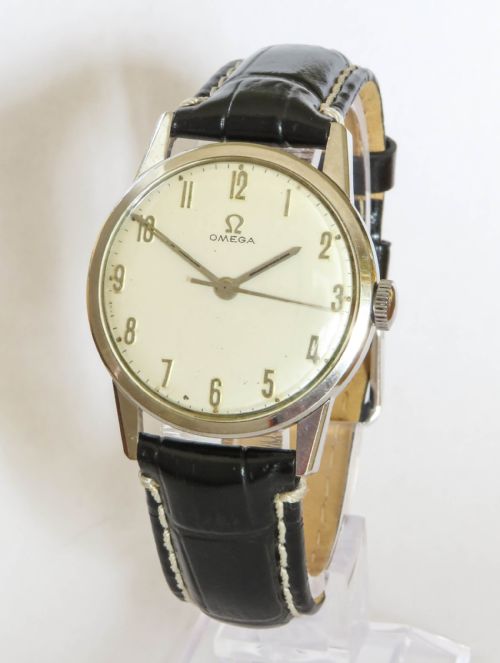
A steel luxury watch spans decades from the 1940s through the 1970s, categorised primarily as wristwatches and wrist watches. These timepieces stem from mid-century design eras, encompassing mid-century modern and 1960s vintage aviation styles.
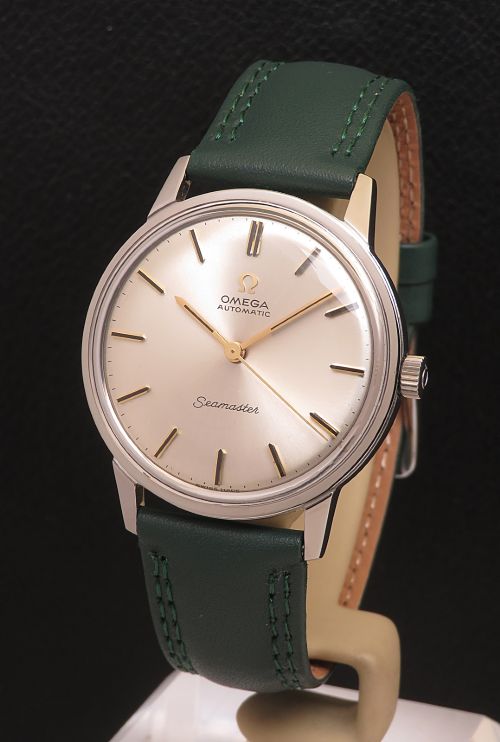
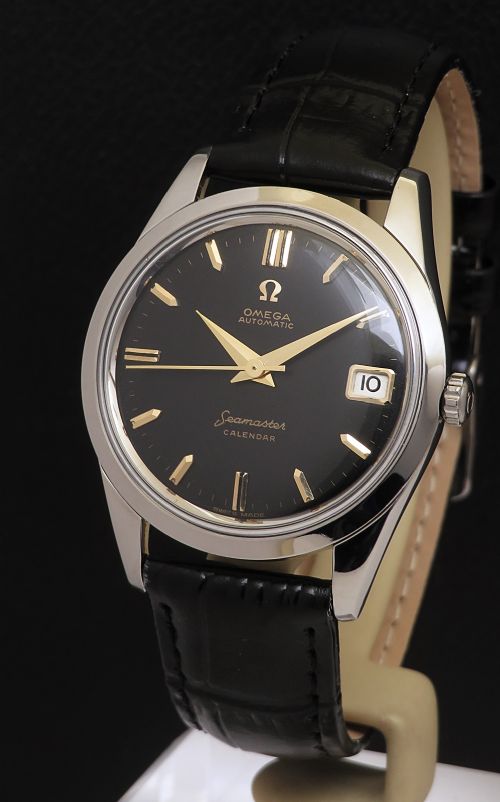
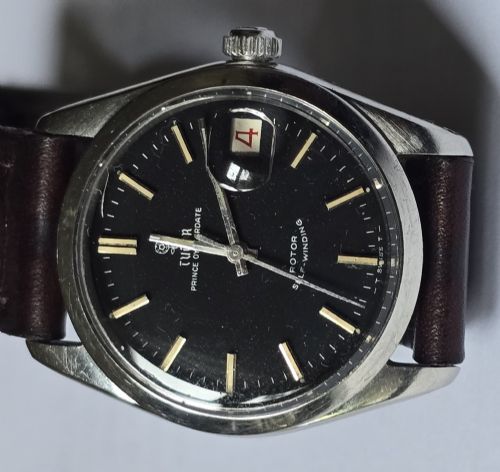
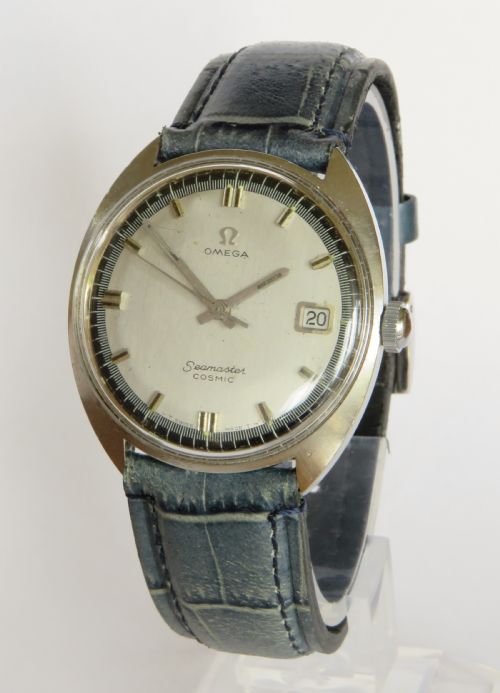
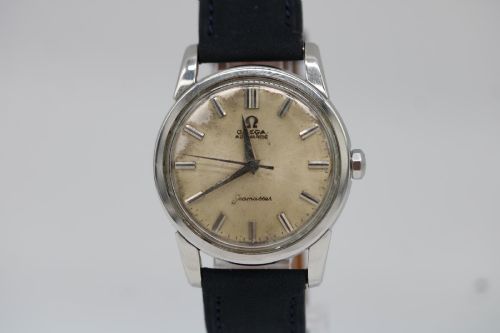
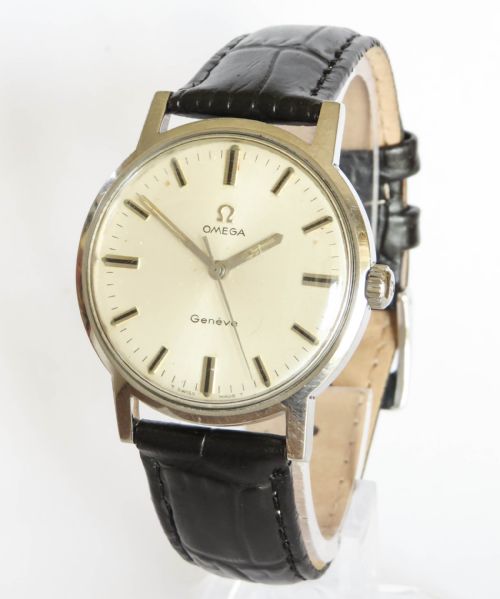
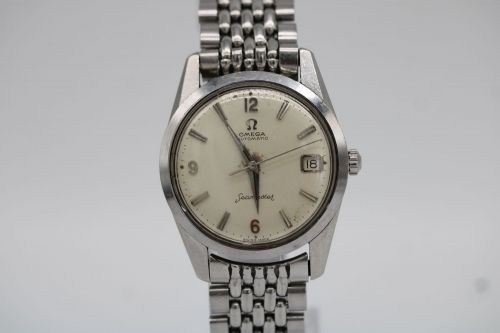
The version most likely encountered on this page is an Omega wrist watch or Seamaster variant from the 1950s and 1960s. Other prominent forms include Tudor Oyster models and Breitling chronographs featuring stainless steel construction.
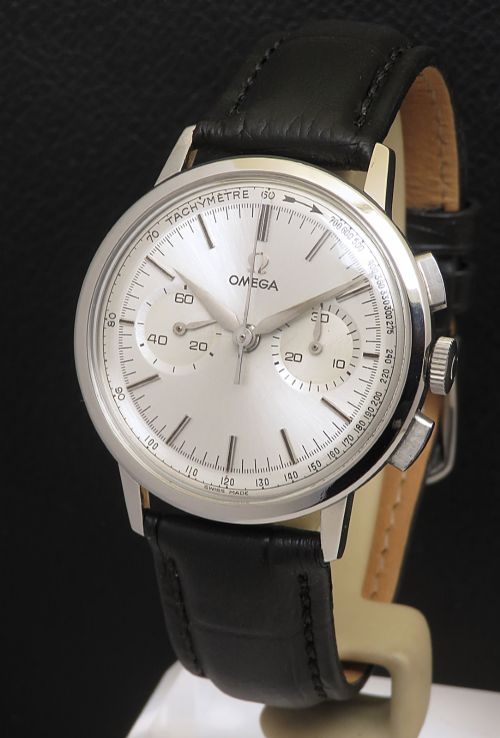
The selection ranges from automatic calendar movements to manual wind calibres and complex chronographs. Buyers encounter pieces equipped with distinctive elements like black smiley dials or patinated faces.
Materials and Construction
Stainless steel forms the durable outer housing for these wristwatches, protecting the intricate mechanical movements housed within. Glass, acrylic, and acrylic glass provide clear protection over the dial faces.
Leather and fabric straps secure the watches to the wrist, complementing the metal cases. Gold accents occasionally appear alongside the dominant steel material to add decorative contrast.
Movements rely on precision mechanical engineering, spanning automatic bumpers, manual wind calibres, and complex chronograph mechanisms built during the mid-century period.
Steel Luxury Watch Retail Price Guide 2026
Typical asking prices for steel luxury watch among the pieces listed under this phrase on Sellingantiques today, from the lower quarter to the upper quarter. They describe what is for sale here now, not the wider market.
Listings span the 1940s, 1950s, 1960s, and later than 1960, utilising stainless steel, leather, glass, acrylic, gold, and fabric materials.
Evaluating Quality
Condition and originality separate the standard examples from the top of the range. Untouched and unrestored pieces with original components hold distinct appeal compared to fully restored iterations.
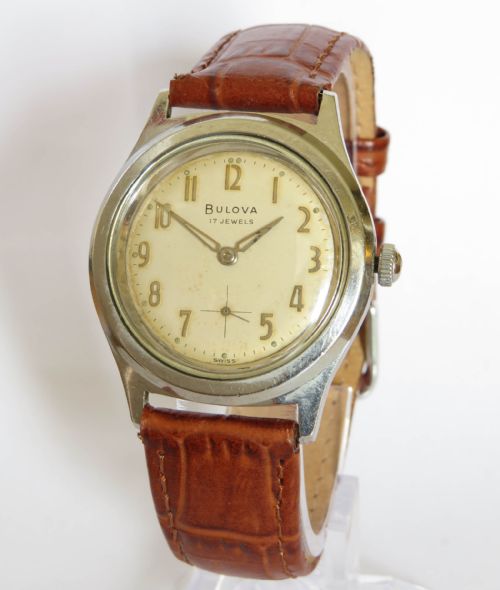
Dial preservation dictates much of the standing within this category. Clean, uniform dials sit alongside patinated faces that show the natural ageing of the materials over decades of existence.
Omega·Tudor·Bulova·Rolex·Breitling
The Steel Luxury Watch Glossary
- Chronograph
- A watch equipped with a stopwatch function alongside its standard timekeeping display. These complications often utilise dedicated sub-dials.
- Automatic
- A self-winding mechanical movement that uses the natural motion of the wearer's wrist to power the mainspring. This removes the need for manual daily winding.
- Calibre
- The specific internal movement designation used by a manufacturer to identify a particular watch mechanism. Different calibres denote distinct technical specifications.
- Acrylic Glass
- A lightweight, shatter-resistant plastic material used for watch crystals during the mid-century era. It can be polished to remove surface scuffs.
Steel Luxury Watch: Frequently Asked Questions
What is an automatic bumper movement?
An automatic bumper movement is an early form of self-winding watch mechanism where the rotor swings back and forth through a limited arc rather than spinning in a full circle. Springs cushion the rotor at each end of its travel, creating a distinct physical pulse on the wrist.
This technology represents a transitional phase in mid-century horology before full 360-degree rotor systems became standard industry practice.
What does a patinated dial mean?
A patinated dial shows natural ageing, discolouration, or texture change resulting from exposure to light, air, and time. Rather than remaining pristine, the surface develops a unique visual character.
Many collectors prize this organic evolution because it confirms the genuine vintage nature and untouched history of the watch face.
How do I date a mid-century watch?
Dating a mid-century watch involves examining internal movement serial numbers, case back stamps, and specific stylistic design markers. Manufacturers often recorded production years alongside calibre numbers on the movement bridges.
External design traits, such as dial typography and case proportions, also help narrow down the decade of manufacture between the 1940s and 1970s.