




Steel Flintlock Gun
A steel flintlock gun is a historic firearm driven by mechanical spark production, offering collectors a tactile piece of military and civil history.
Steel Flintlock Gun
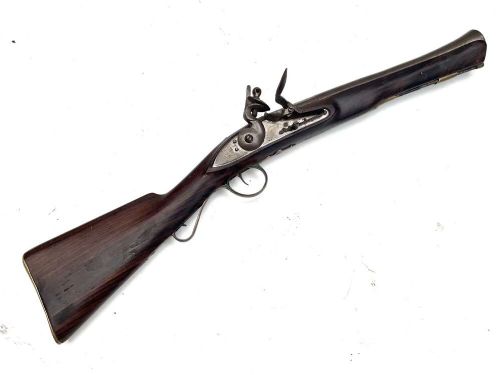
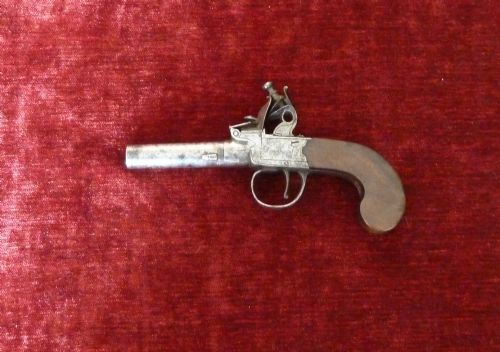
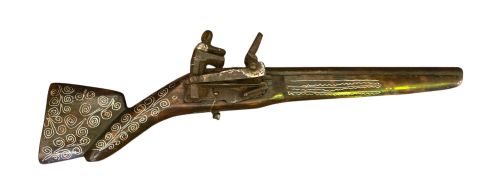
A steel flintlock gun encompasses various historical arms from the eighteenth and nineteenth centuries, including pocket pistols, military service arms, and sporting pieces. When searching for a steel flintlock gun, buyers most frequently encounter eighteenth-century pocket pistols and regulation military examples alongside regional variants like Ottoman and Balkan long pistols.
These pieces range from compact travelling arms designed for personal defence to large regulation martial pistols and muskets used by cavalry and infantry. The selection spans domestic English makers, European military contractors, and Eastern Mediterranean workshops.
Origins heavily influence the form, with British pieces often bearing Tower markings and regulation stamps, while continental and Ottoman examples showcase distinct regional styling, extended mounts, and alternative lock mechanisms.
Materials and Construction
Makers constructed the core mechanics of a steel flintlock gun using steel, iron, and flint to create the spark-generating lock mechanism. Barrels and locks relied on durable metals, while stocks were typically shaped from walnut or other dense hardwoods.
Aesthetics and utility combined through the addition of brass furniture, silver wire inlay, and engraved brass mounts. Artisans utilised these secondary metals to reinforce stocks and embellish civilian pocket pistols and regional long pistols.
Steel Flintlock Gun Retail Price Guide 2026
Typical asking prices for steel flintlock gun among the pieces listed under this phrase on Sellingantiques today, from the lower quarter to the upper quarter. They describe what is for sale here now, not the wider market.
Travellers once relied on pocket pistols small enough to fit inside a muff to fend off eighteenth-century highwaymen.
Determinants of Quality
Quality in a steel flintlock gun rests heavily on the crispness of the lock mechanism and the finesse of the metalworking. Engraving depth on brass mounts and the precision of silver wire inlay distinguish standard military arms from high-end civilian pieces.
The choice of stock timber and the integration of maker-signed locks, such as those by known London or regional gunsmiths, elevate the standing of an individual piece within the historical spectrum.
Henry Nock·James Barber·Timothy Hughes·Meyer & Mortimer·Barber of Newark
The Steel Flintlock Gun Glossary
- Flintlock
- A firearm ignition mechanism that uses a piece of flint held in a cock to strike a steel frizzen, creating sparks to ignite the priming powder. This system dominated military and civilian arms for centuries.
- Frizzen
- The vertical steel plate struck by the flint to create sparks and expose the priming pan. Its design and movement are central to the functioning of the lock.
- Snaphaunce
- An early precursor to the flintlock featuring a manually opened pan cover linked to the frizzen. It appears frequently in Balkan and Ottoman arms.
- Miquelet
- A distinct Mediterranean lock type characterised by an external mainspring and a combined steel and pan cover. It is commonly found on regional rifles and long pistols from the eighteenth century.
- Canon barrel
- A barrel shaped with stepped profiles resembling a historical cannon, frequently utilised on Queen Anne style pocket pistols. This design provides structural strength at the breech.
Steel Flintlock Gun: Frequently Asked Questions
What is a steel flintlock gun?
A steel flintlock gun is a muzzle-loading firearm that utilises a flint-and-steel ignition system to fire a projectile. These historical arms span military, duelling, and pocket variations primarily from the eighteenth and nineteenth centuries.
Collectors value them for their mechanical ingenuity and direct connection to the technological standards of the Georgian and Napoleonic eras.
How did people use flintlock pistols?
Flintlock pistols served as personal self-defence weapons for travellers, officers, and civilians during a time of highway robbery and urban danger. Pocket and muff pistols were compact enough to conceal in coats or small compartments.
Larger military and holster pistols were carried by cavalrymen and naval forces as standard regulation sidearms for close-quarters combat.
How do I care for a flintlock gun?
Living with antique firearms involves maintaining a stable environment away from excess humidity to prevent active corrosion on the steel and iron components. Lightly oiling the metal parts helps preserve the historical finish without altering the patina.
Wooden stocks benefit from occasional gentle conditioning to keep the walnut from drying out over time.
How can I tell periods apart?
Distinguishing periods involves examining the overall shape of the grip, the transition of barrel styles, and any official government stamps or maker signatures. Eighteenth-century pieces often feature transitional lock shapes and ornate wire inlay.
Nineteenth-century examples frequently show standardised military markings or transition towards later percussion systems as technology progressed.