



Steamer Trunk Storage
Steamer trunk storage pieces combine robust travel heritage with practical interior volume, offering resilient utility for contemporary living spaces.
Steamer Trunk Storage
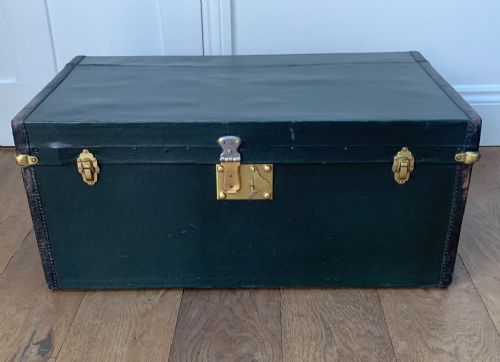
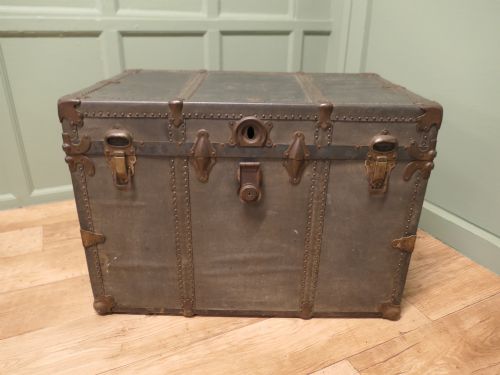
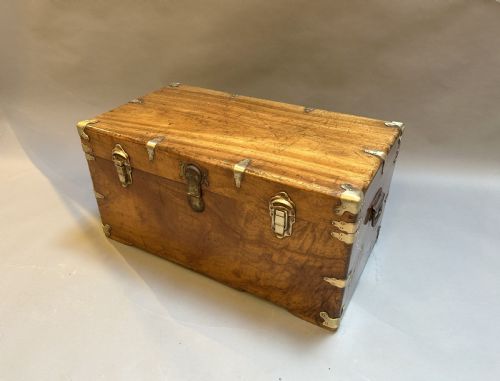
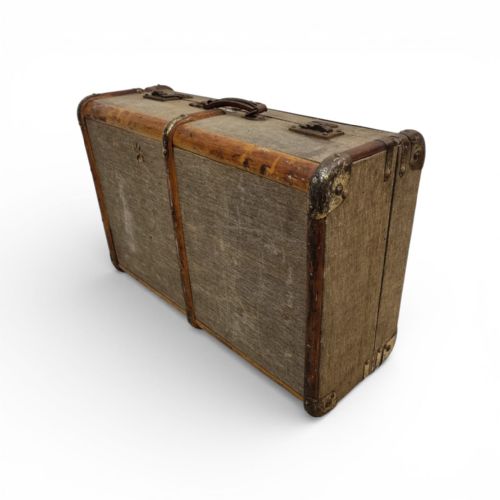
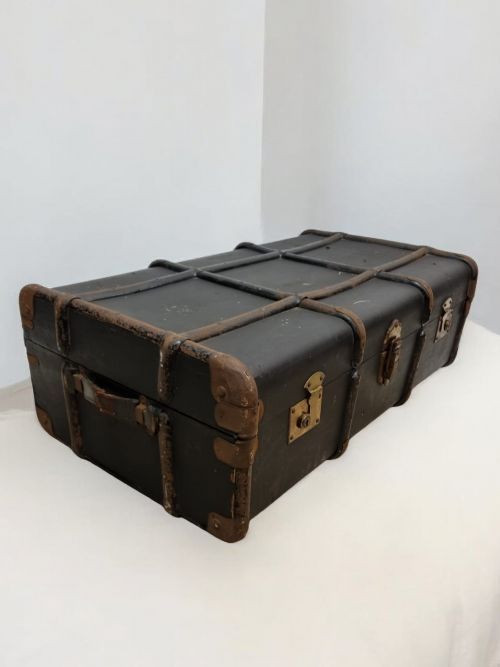
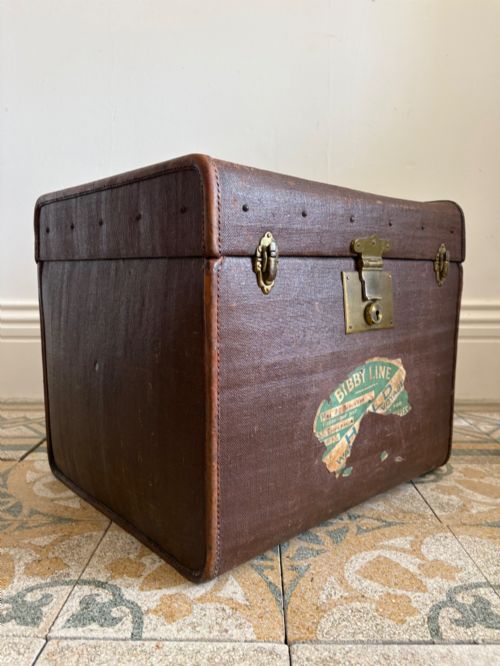
Steamer trunk storage pieces comprise heavy-duty travel containers, sea chests, and fitted wardrobe trunks originating from the nineteenth and early twentieth centuries. Buyers frequently encounter standard travel trunks alongside specialised items like camphor wood chests and fitted cabin wardrobes.
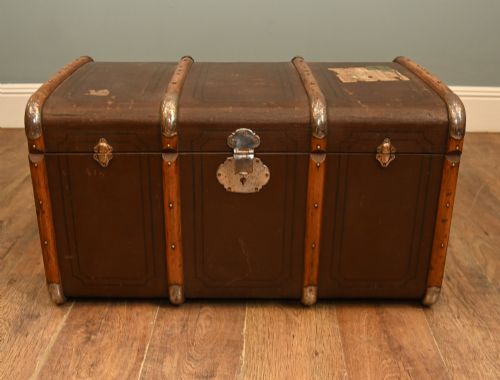
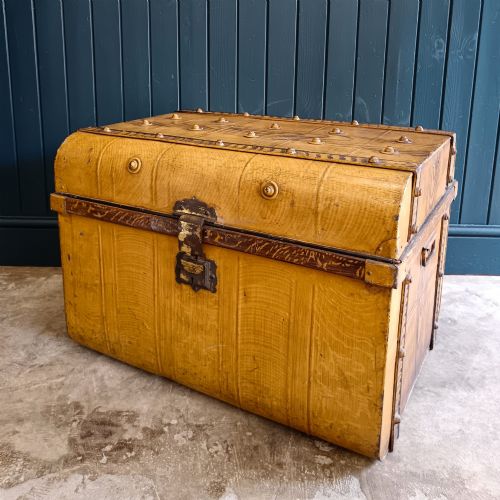
The selections span Victorian, Edwardian, and Art Deco periods, encompassing both British and international provenance. Formats range from dome top travel chests to large rectangular luggage cases designed for transatlantic journeys.
Materials and construction methods
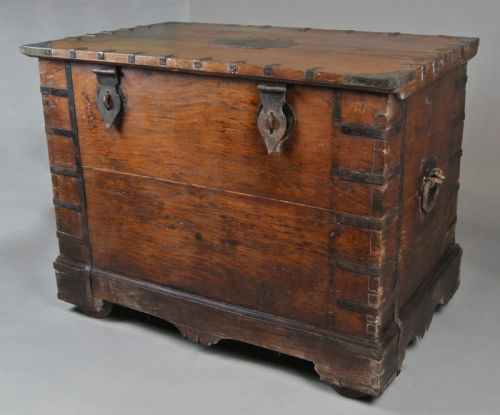
Makers built these containers using robust woods such as oak, teak, pine, and camphor wood, frequently reinforcing the exterior with durable canvas, leather, or painted metal. Structural integrity relied heavily on iron banding, steel bindings, and brass hardware to withstand rigorous travel conditions.
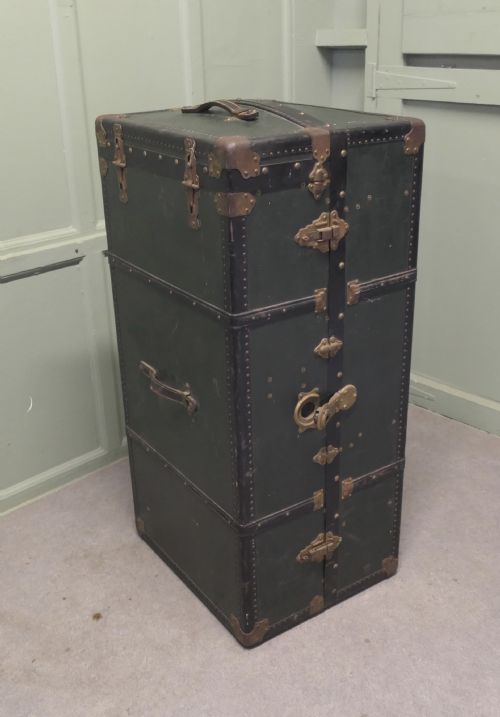
Internal compartments often featured specialised fittings, including wooden trays, hanging sections, and lined partitions designed to secure garments and personal belongings during transit.
Steamer Trunk Storage Retail Price Guide 2026
Typical asking prices for steamer trunk storage among the pieces listed under this phrase on Sellingantiques today, from the lower quarter to the upper quarter. They describe what is for sale here now, not the wider market.
Some nineteenth-century travellers clearly required extensive wardrobes, resulting in monumental cases built to withstand decades of global transit.
Evaluating the standard of construction
The standard of execution is evident in the quality of the exterior reinforcement, where solid brass hardware, substantial leather bindings, and robust iron or steel framing distinguish superior pieces from utilitarian luggage. Original maker stamps, customized interior fittings, and sophisticated locking mechanisms elevate the standing of a trunk.
Condition and originality dictate the tier of the piece, with intact internal linings, original canvas coverings, and well-preserved maker documentation representing the highest level of craftsmanship.
Louis Vuitton·Seaward·H D Dean
The Steamer Trunk Storage Glossary
- Portmanteau
- A large travel case or trunk, typically made of leather and opening into two equal compartments. These items were designed for extended journeys.
- Campaign trunk
- Portable furniture and storage designed for military officers or travellers on the move. Such pieces typically feature brass corners and recessed carrying handles.
- Camphor wood
- A fragrant Asian timber utilised for storage chests because its natural oils repel insects. This material is frequently found in colonial travel chests.
- Dome top
- A trunk construction featuring a rounded lid designed to shed water during transit. This style is characteristic of nineteenth-century travel luggage.
- Fitted trunk
- An internal configuration featuring specialised compartments, drawers, or wardrobe hanging space. These arrangements catered to organised long-distance travel.
Steamer Trunk Storage: Frequently Asked Questions
How do I use a steamer trunk for storage?
These pieces provide deep interior volume suitable for concealing bed linen, out-of-season clothing, and bulky household items.
Their sturdy construction also allows them to function effectively as coffee tables or bedside surfaces within a room.
What materials were used to build steamer trunks?
Builders relied primarily on solid timbers like oak, pine, teak, and camphor wood for the core structure.
Exteriors were frequently covered in canvas, leather, or painted metal, then reinforced with brass, iron, or steel bands.
How can I tell a Victorian trunk from a 1920s piece?
Victorian examples often feature domed tops, heavy brass capping, and dark wood finishes typical of nineteenth-century luggage.
Trunks from the 1920s frequently incorporate Art Deco influences, flat tops, and specialised internal wardrobe fittings.
Are these trunks waterproof?
While historical travel trunks utilised water-resistant materials like treated canvas, leather, and painted metal to protect contents during transit, modern internal humidity control remains advisable.
Original seals and gaskets may degrade over time, meaning they function best as dry indoor storage furniture.