






Statement Armchair
A statement armchair is a substantial seating piece designed to command a room, drawing the eye through carved detail and period presence.
Statement Armchair
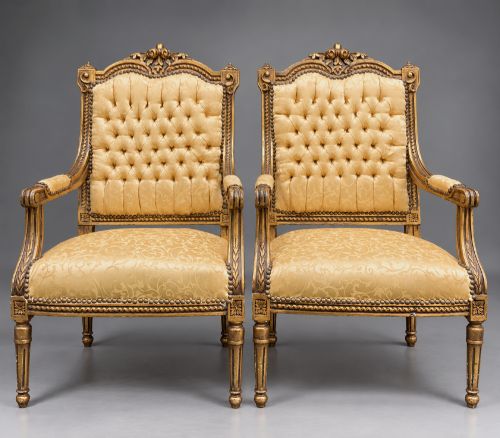
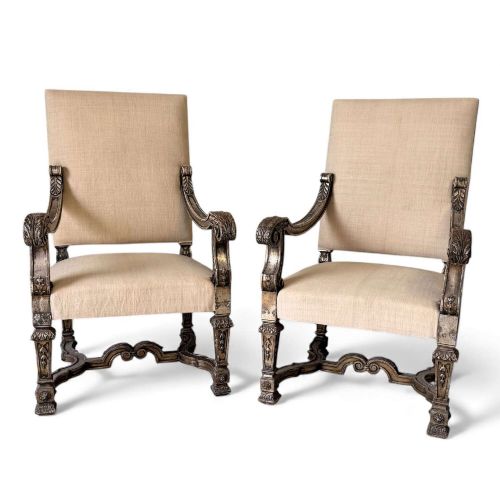
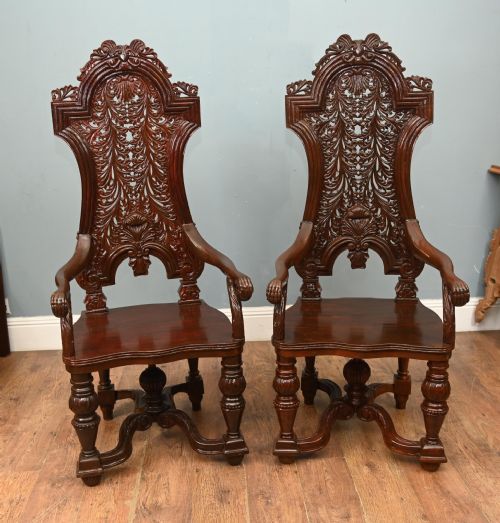
A statement armchair functions as a focal point within a room, offering both seating and strong visual character through distinct period styling. When you search for a statement armchair, you encounter substantial seating forms including throne chairs, open armchairs, and occasional chairs.
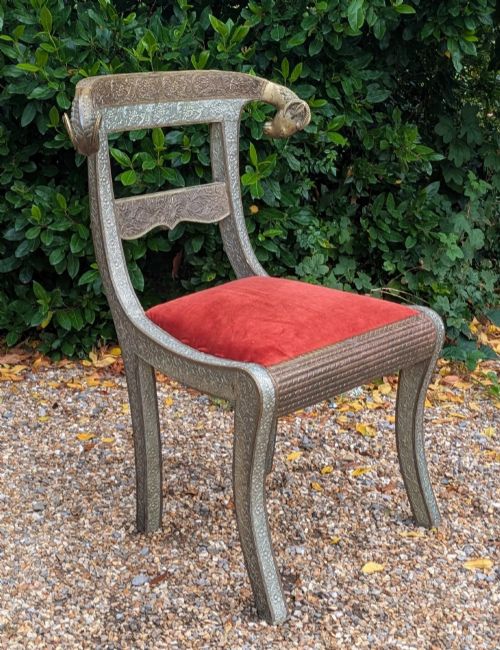
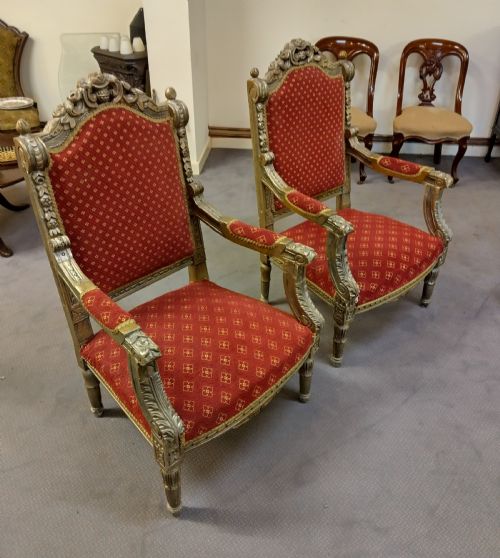
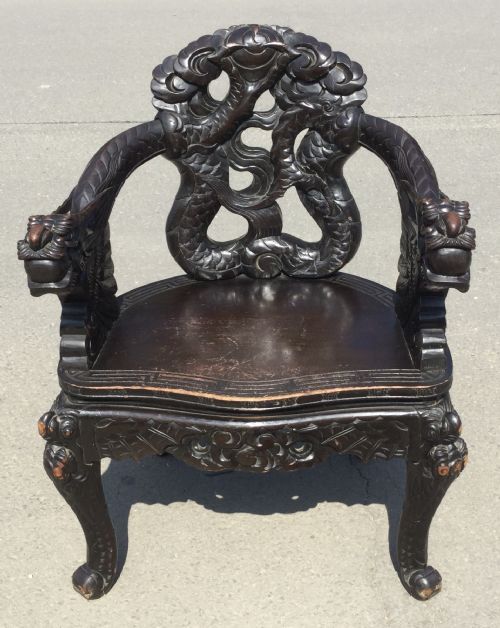
The selections span the nineteenth century through the Art Deco period, taking inspiration from diverse traditions such as Chinese export, Anglo-Indian, Baroque revival, and Jacobean revival. Most pieces on offer display heavy carving, gilt finishes, or upholstered surfaces designed to stand apart from standard furniture.
How they were made
Makers utilised solid timbers including oak, elm, hardwood, and giltwood to construct the structural frames of these armchairs. Carved elements require skilled handwork, visible in the detailed woodwork, ram heads, and structural joints.
Upholstery relies on textiles such as velvet, silk, damask fabric, and patterned cloth secured to the wooden frames. Gilding finishes provide a reflective surface layer applied over the carved timber bases.
Statement Armchair Retail Price Guide 2026
Typical asking prices for statement armchair among the pieces listed under this phrase on Sellingantiques today, from the lower quarter to the upper quarter. They describe what is for sale here now, not the wider market.
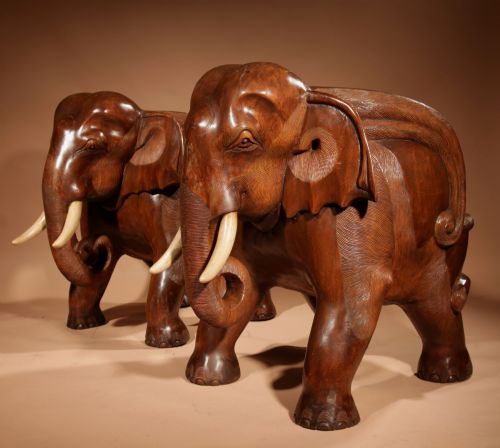
Several examples feature literal animal inspiration, incorporating carved ram heads and elephant forms into the wooden frames.
What varies in quality
Quality rests primarily in the depth and precision of the carved ornamentation, distinguishing sharp, hand-chiselled detailing from softer, simpler moulding. The integrity of the timber frame and the richness of the applied gilt finish also dictate the overall standard of the piece.
Upholstery choices reflect differing tiers of production, from standard woven fabrics to intricate patterned silks and velvets. The scale and presence of the armchair, whether a giant throne or a refined salon chair, influence its visual weight in an interior.
The Statement Armchair Glossary
- Giltwood
- Timber treated with gold leaf or a gold-coloured finish. This technique creates a bright, reflective surface often seen on revival throne chairs.
- Throne Chair
- A large, high-backed armchair designed to project authority and status. These pieces typically feature heavy carving and elevated proportions.
- Damask Fabric
- A reversible figured textile woven on a jacquard loom. It provides a patterned, textured surface frequently used for period upholstery.
- Jacobean Revival
- A furniture style drawing on seventeenth-century English design. Pieces in this manner display dark oak timber and formal carved motifs.
Statement Armchair: Frequently Asked Questions
Where should I place a statement armchair?
These chairs demand open space where their scale and carving can be fully appreciated without crowding. Position them in a drawing room, hallway, or large bedroom as a visual anchor.
Because of their decorative presence, they work best away from walls where light can catch the carved details and gilt surfaces.
How do I identify a Baroque revival armchair?
Baroque revival pieces display theatrical proportions, dramatic scrolling woodwork, and often a gilt finish. They draw inspiration from seventeenth-century European palace furniture.
Look for heavy frames, ornate crest rails, and upholstered panels in rich fabrics like velvet or damask.
What is the difference between a hall chair and a salon chair?
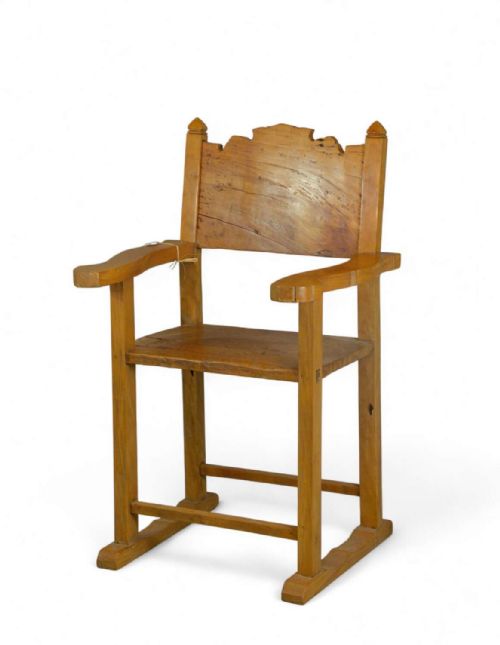
Hall chairs are typically constructed from solid timber with carved wooden seats intended for occasional use in entranceways. Salon chairs prioritise comfort and decoration, featuring upholstered seats and backs designed for formal entertaining.
Salon examples often utilise softer fabrics like silk and incorporate finer carved frames.
How do I care for upholstered period armchairs?
Protect delicate textiles such as silk and velvet from direct sunlight to prevent fading and fibre degradation. Regular gentle dusting preserves the wooden frames and carved details.
Avoid placing these chairs in areas of high humidity or fluctuating temperature to protect the timber and joints.