




Stamped Victorian Chair
A stamped victorian chair carries the maker's mark directly into the wood or brass, proving its workshop origin.
Stamped Victorian Chair
A stamped victorian chair brings tangible proof of nineteenth-century workshop origin straight into a room through maker marks pressed directly into the timber or stamped on castors. These seating pieces span the nineteenth century, covering the Victorian era as well as specific years such as 1880 and 1890.
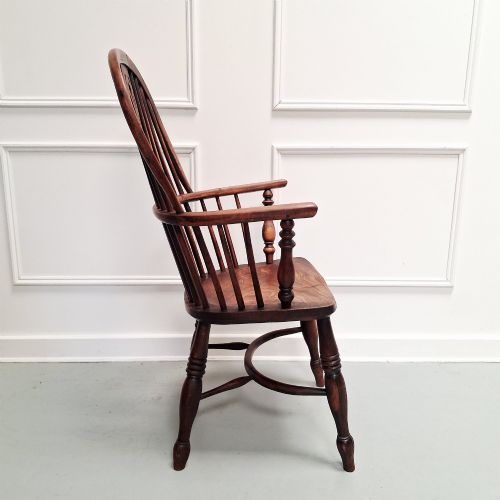
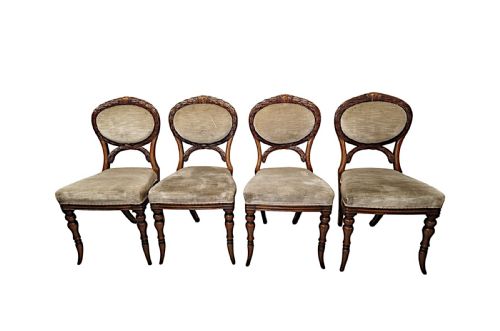
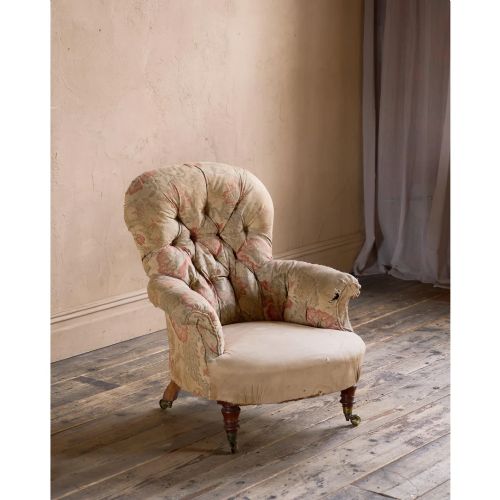
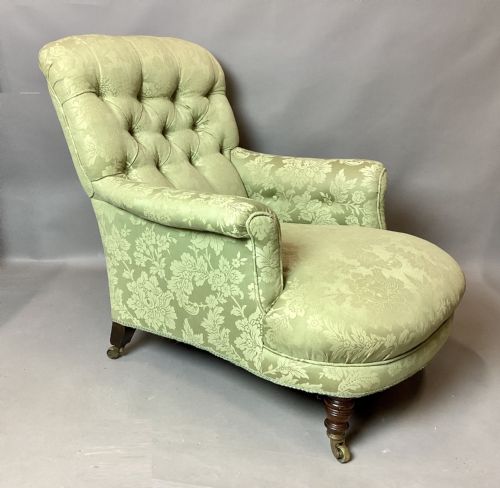
The selection here encompasses armchairs, dining chairs, hall chairs, and desk chairs designed for various rooms of the house. Styles range from plain Victorian country models to ornate Victorian Gothic Revival forms and specific seating like Windsor chairs, spoon back armchairs, and nursing chairs.
Makers stamp these items across different timbers and finishes, utilising mahogany, oak, walnut, elm, beech, and metal alongside upholstery materials such as fabric, velvet, leather, and brass. Buyers meet both single pieces and matched sets, from sets of four and six up to a set of ten dining chairs.
How they were made
Cabinetmakers and joiners constructed these frames from solid timbers including mahogany, oak, walnut, elm, and beech, shaping components to suit specific domestic functions. Frame construction relied on traditional joinery methods suited to heavy daily use in nineteenth-century homes.
Upholstered models integrated internal stuffing and springs covered in fabrics, velvet, or leather, while other versions exposed carved wooden backs and seats. Metal elements such as brass stamps, brass castors, and other metal fittings completed the structural and decorative assembly.
Stamped Victorian Chair Retail Price Guide 2026
Typical asking prices for stamped victorian chair among the pieces listed under this phrase on Sellingantiques today, from the lower quarter to the upper quarter. They describe what is for sale here now, not the wider market.
The documented forms span armchairs, dining chairs, hall chairs, desk chairs, and library chairs from the Victorian era.
What varies in quality
The clarity and depth of the maker stamp or mark influence desirability, distinguishing everyday workshop output from pieces bearing the credentials of prominent cabinet houses. Legibility on timber or castors confirms the origin without ambiguity.
The choice of primary timber and the execution of carved details, such as Gothic Revival motifs or turned components, separate standard utility seating from high-end commissions. Original upholstery materials and matching castor sets further distinguish superior surviving examples.
J Spencer·Strahan·Holland and Sons·Gillows of Lancaster·Howard and Sons·Johnstone and Jeanes·James Shoolbred·Gregory and Co·H Slaughter·T Wright
The Stamped Victorian Chair Glossary
- Stamp
- A maker's mark impressed into wood, metal, or brass to record the workshop or retailer responsible for the piece. This mark serves as a primary identifier for historical attribution.
- Castor
- A small wheel fitted to the legs of armchairs and office chairs to permit smooth movement across floors. Nineteenth-century versions often bear stamped manufacturer details.
- Gothic Revival
- A nineteenth-century design style drawing on medieval architectural forms, characterised by pointed arches and pointed structural motifs in chairs.
- Windsor chair
- A traditional seating form featuring a solid wooden seat into which the legs and spindled back are directly inserted. These chairs appear in both plain and stamped configurations.
- Spoon back
- An upholstered armchair style featuring a concave oval backrest shaped to resemble the bowl of a spoon. This form gained popularity during the nineteenth century.
Stamped Victorian Chair: Frequently Asked Questions
Where do I find the stamp?
Maker marks usually appear on the underside of the wooden frame, along the top edge of a rear leg, or stamped directly into brass castor housings.
Searching these concealed areas requires adequate lighting and careful inspection of the timber surfaces.
How do I identify a Victorian Gothic Revival chair?
These pieces display characteristic architectural motifs inspired by medieval design, such as pointed arches, tracery, and heavy carved framing.
Oak is frequently the primary timber utilised for these substantial ecclesiastical or domestic hall and library chairs.
Are Windsor chairs stamped?
While many country Windsor chairs remain unsigned, certain nineteenth-century examples carry distinct maker stamps into the wooden seat or undercarriage.
This stamp elevates a standard vernacular seating form into a documented cabinetmaker attribution.
What materials were used for upholstery?
Original nineteenth-century seating utilised materials such as velvet, leather, and heavy woven fabrics stretched over sprung or stuffed frames.
Many surviving examples retain their original upholstery specifications alongside period brass castors.