
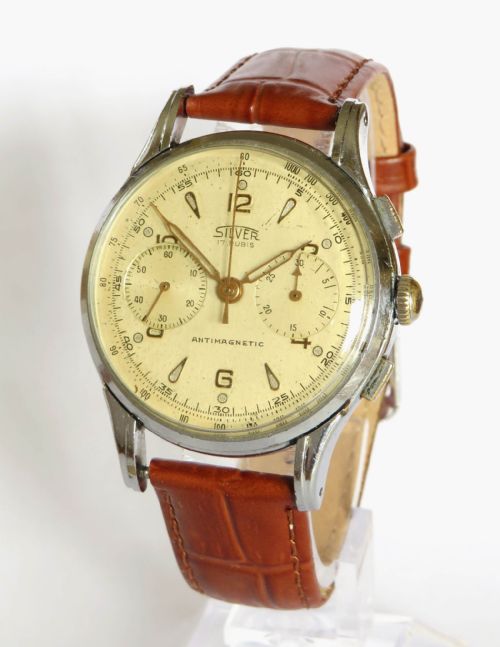
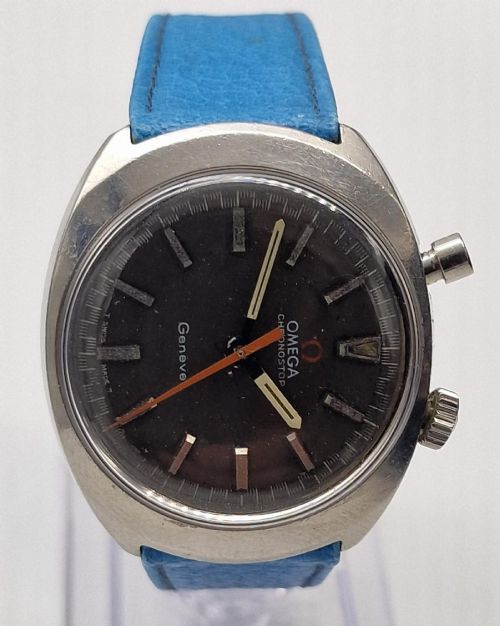
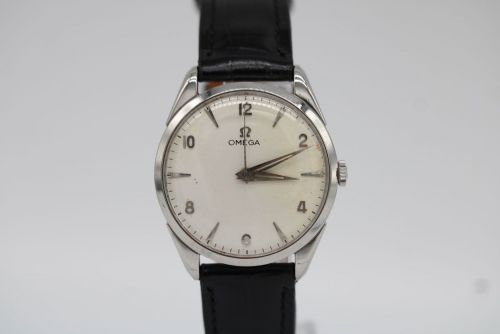
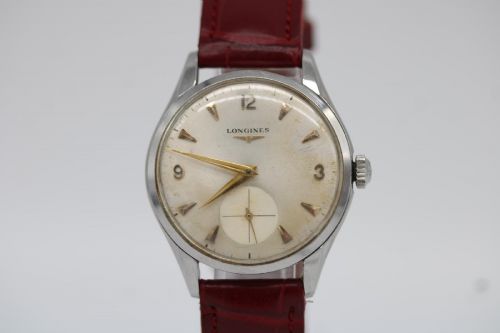
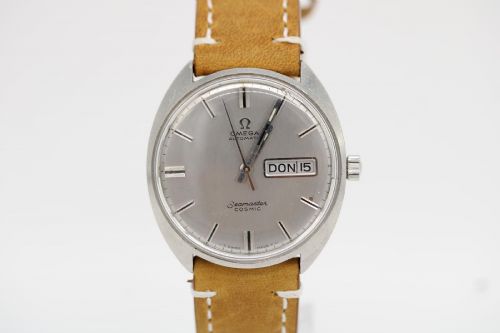
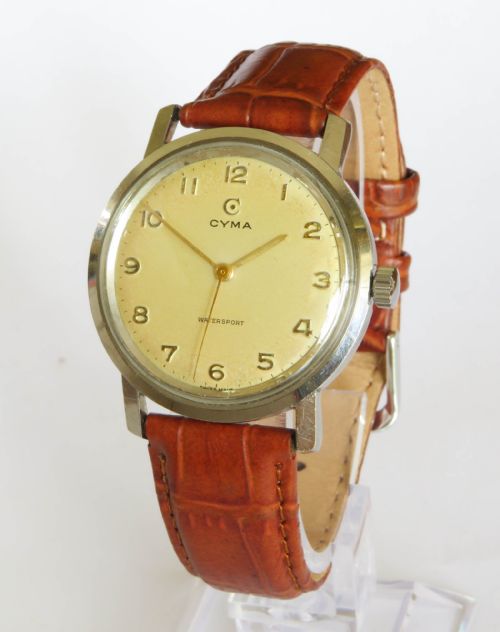
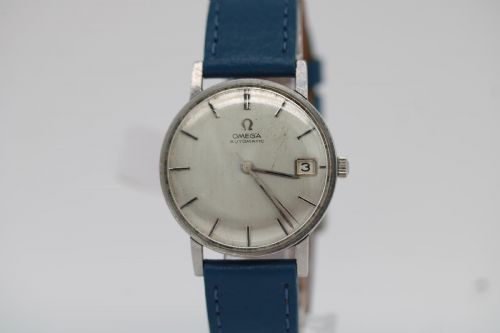
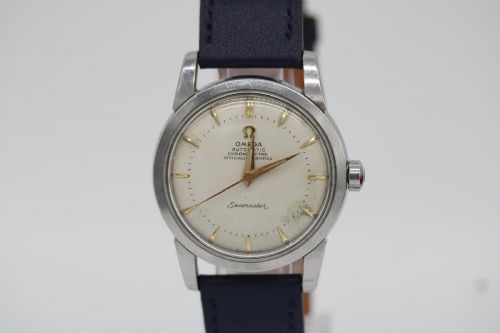

Stainless Steel Watch Strap
These stainless steel watch strap examples anchor mid-century horology, offering durable utility and period character for vintage timepiece collectors.
Stainless Steel Watch Strap
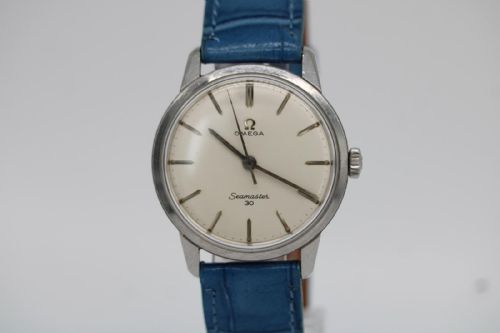
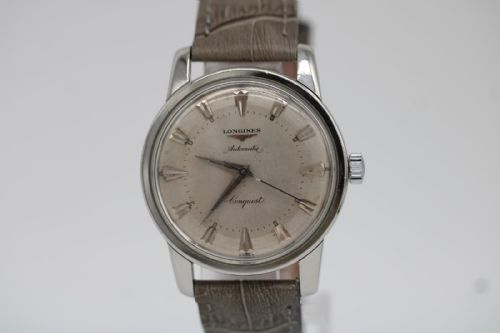
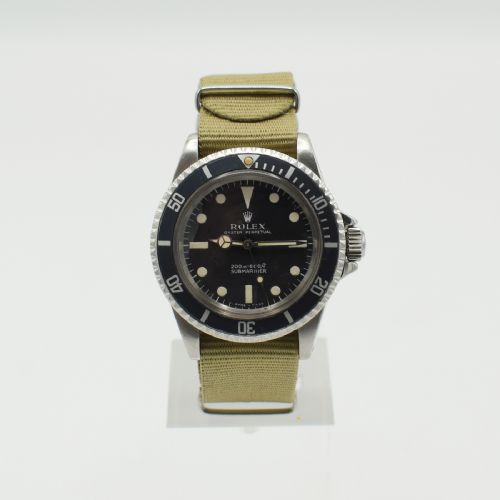
A stainless steel watch strap accompanies wristwatches primarily from the 1940s, 1950s, and 1960s periods. These items pair with diverse dial formats, case sizes, and mechanical movements from mid-century horology.
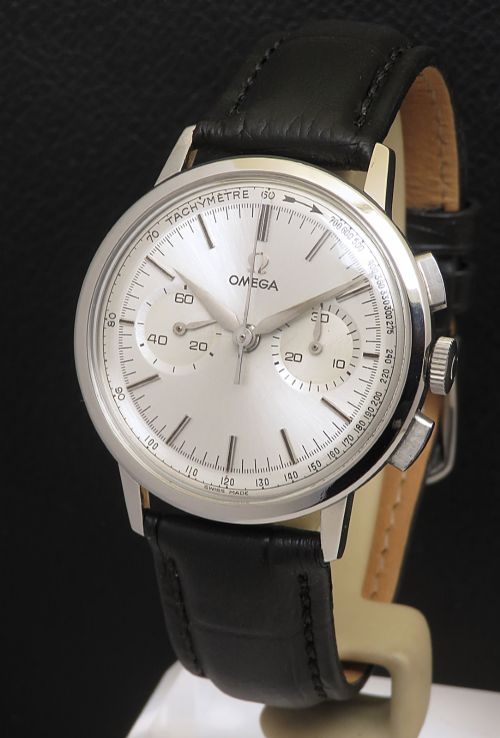
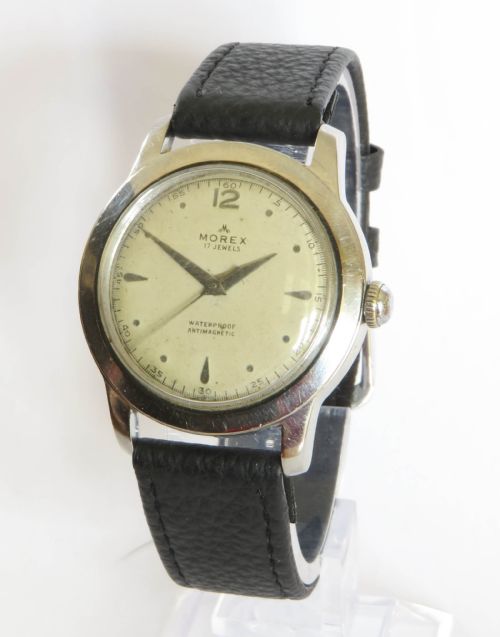
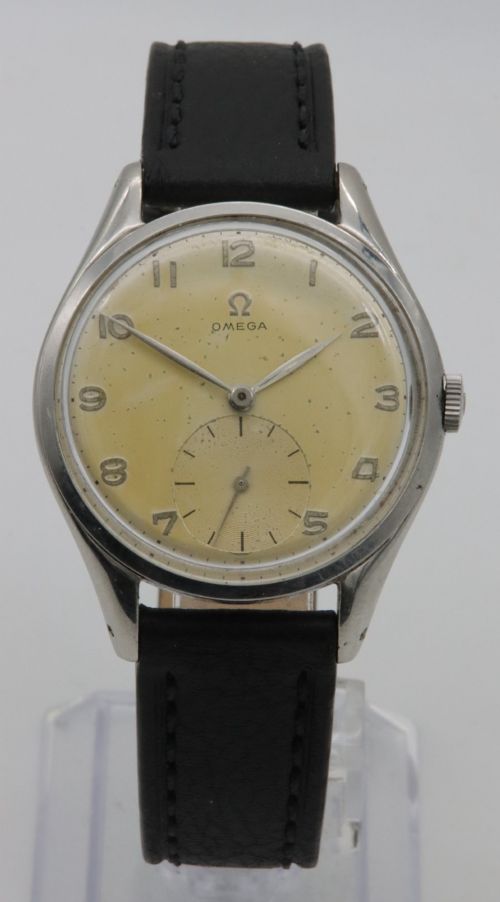
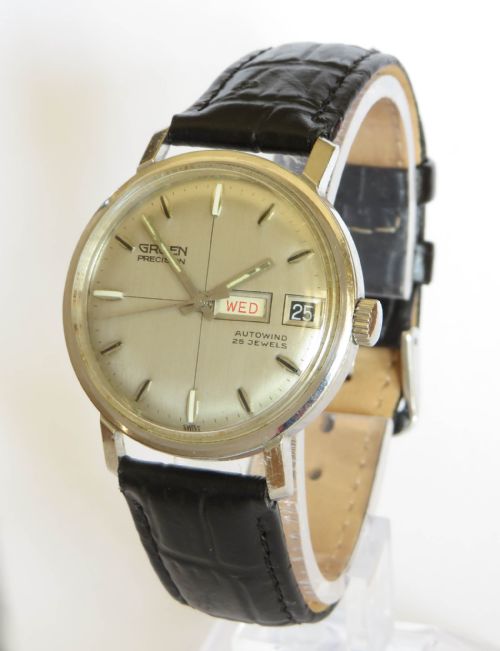
The selections on this page surface alongside wristwatch listings spanning Art Deco through Mid-Century Modern styles. Buyers encounter these components attached to chronographs, automatic wind models, and manual wind timepieces.
Originating from decades of wrist watch production, the physical examples reflect utilitarian and luxury design trajectories. Each piece connects historical timepieces to the wearer through durable metal construction.
Assessing quality in vintage watch hardware
Quality differences emerge through the precision of metallic link construction, surface finishing, and how well the metal preserves its original factory integrity over decades of use.
The distinction between standard commercial production and top-tier execution rests in the refinement of the component integration with the watch case and the overall durability of the clasp mechanism.
Listings incorporate 1940, 1950, and 1960 periods alongside Mid-Century Modern and Art Deco styles.
Omega·Montilier·Gruen·Antoremi·Longines·Cyma·Breitling·Rolex·Ebana·Eterna·Tudor·Heuer
The Stainless Steel Watch Strap Glossary
- Stainless Steel
- A corrosion-resistant alloy utilised for durable watch components and cases. This material defines the physical resilience of mid-century hardware.
- Chronograph
- A watch equipped with a stopwatch function alongside standard timekeeping display. These complex dials often pair with specialised metal bracelets.
- Automatic Wind
- A mechanical movement that winds itself using the natural motion of the wearer's wrist. This self-winding capability characterises many 1950s and 1960s pieces.
- Manual Wind
- A traditional watch movement requiring hand-winding via the crown. Collectors appreciate these mechanical pieces for their traditional craftsmanship.
- Calibre
- The specific internal movement designation used by watch manufacturers. Each calibre defines the technical architecture of the timepiece.
Stainless Steel Watch Strap: Frequently Asked Questions
What periods do these watch straps represent?
The listings span the 1940s, 1950s, and 1960s periods of horological production.
These decades capture post-war design shifts and the rise of Mid-Century Modern aesthetics in watchmaking.
Which materials appear in these listings?
Stainless steel dominates the physical evidence, accompanied by gold, gold plate, leather, fabric, acrylic, and glass.
These varied substances reflect the diverse manufacturing practices of mid-century watch workshops.
How do manual wind watches differ from automatic?
Manual wind movements require daily hand-winding through the crown to maintain operation. Automatic mechanisms utilise internal rotors to wind the mainspring using wrist movement.
Both winding types populate the mid-century selections available to buyers.
What defines a chronograph watch?
A chronograph incorporates independent sweep second hands and sub-dials to measure elapsed time intervals. These specialist dials often appear on mid-century sports models.
Collectors prize these functional complications for their intricate mechanical layouts.