



Stained Glass Cupboard
These stained glass cupboard pieces bring rich colour and tactile timber into a room, offering the keen buyer a genuine piece of domestic history.
Stained Glass Cupboard
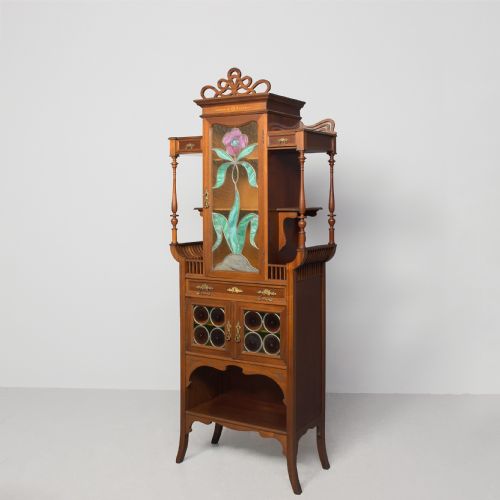
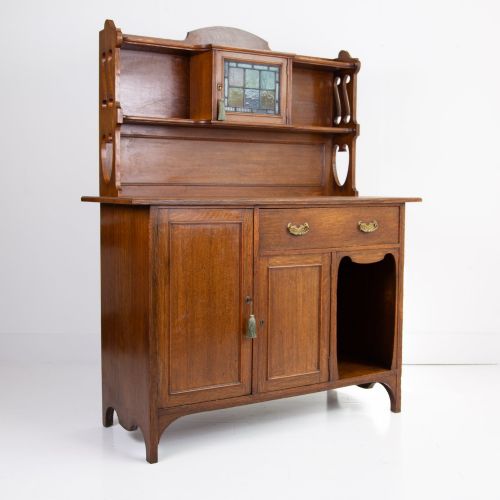
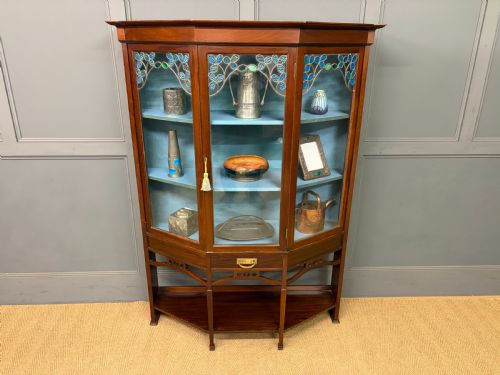
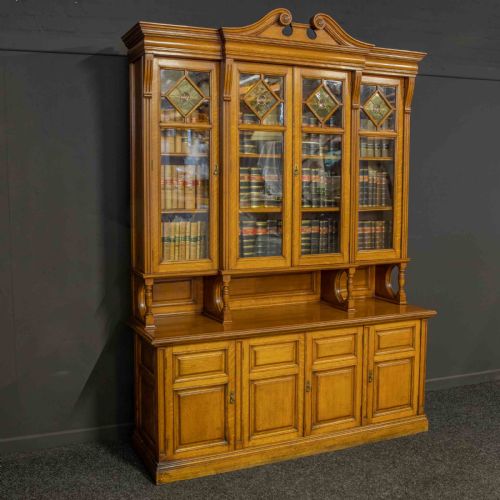
A stained glass cupboard combines utilitarian storage with decorative glazing, serving primarily to display prized objects while keeping them secure behind panelling and leaded glass. These items span various periods including the nineteenth century, the Victorian era, and the Edwardian period, alongside specific years such as 1800, 1880, 1900, and 1910.
The most common formats encountered on this page are display cabinets, bookcases, and combined sideboards and dressers. They originate predominantly within British and European traditions, reflecting the domestic tastes of their respective eras through distinct architectural proportions and glazing patterns.
Makers and designers of these cabinets utilised robust construction methods suited for daily use in libraries, parlours, and dining rooms. The integration of transparent and coloured glass creates a dynamic visual effect as natural light shifts across the interior shelves throughout the day.
How they were made
Construction relies heavily on solid timber frameworks of oak and mahogany, often enhanced by marquetry inlay and detailed carving. Cabinet makers joined structural elements using traditional techniques to support the weight of heavy timber doors and glass panels.
The glazing involves individual pieces of glass held within strips of lead, secured with brass hardware such as hinges and locks. Fabric linings sometimes appear behind or within the cabinet interiors to provide a contrasting backdrop for displayed items.
Stained Glass Cupboard Retail Price Guide 2026
Typical asking prices for stained glass cupboard among the pieces listed under this phrase on Sellingantiques today, from the lower quarter to the upper quarter. They describe what is for sale here now, not the wider market.
Listings feature items spanning the nineteenth century through the Edwardian period, constructed from oak, mahogany, and walnut with brass and lead details.
What varies in quality
The sophistication of the timber selection and the complexity of the marquetry set the finer examples apart from simpler utilitarian pieces. Grain alignment, depth of carving, and the preservation of original brass fittings indicate the level of craftsmanship invested in the construction.
Glazing quality is judged by the intricacy of the leaded stained glass design and the clarity or colour saturation of the glass itself. Pieces that retain their original glass without replacement panes command greater respect among purists.
The Stained Glass Cupboard Glossary
- Marquetry
- Decorative veneer work applied in intricate patterns to furniture surfaces. Craftsmen assemble thin slices of various woods to form pictorial or geometric designs.
- Leaded glass
- Individual panes of glass joined together by narrow strips of lead came. This technique allows for geometric or figurative patterns within cabinet doors.
- Arts and Crafts
- A design movement prioritising traditional craftsmanship and simple forms. It emerged as a reaction against mass production during the late nineteenth century.
- Art Nouveau
- A style characterised by flowing, organic lines and floral motifs. Makers applied these sinuous shapes to hardware, woodwork, and glass panels.
Stained Glass Cupboard: Frequently Asked Questions
Where should I place a stained glass cupboard?
These cabinets suit principal reception rooms or hallways where natural light can pass through the coloured glass panels. Positioning them away from direct, harsh sunlight protects both the timber finish and any internal fabric linings from fading over time.
Ensure the floor surface is level to prevent the tall timber frames from twisting, which can misalign the cabinet doors and stress the leaded glass joints.
How do I clean the stained glass?
Dust the leaded sections gently with a soft brush to avoid loosening the delicate lead cames holding the glass pieces together. Use a mild, non-ammonia cleaning solution applied to a cloth rather than sprayed directly onto the surface.
Take care not to let moisture seep beneath the lead lines, as prolonged dampness can corrode the metal framework and weaken the structural integrity of the door panel.
Can I adjust the internal shelves?
Many period cabinets feature fixed shelving built into the structural framework to provide stability for heavy book collections or ceramic displays. Altering these interior spaces generally requires professional intervention to maintain the load-bearing capacity of the cabinet carcase.
Evaluate your storage needs beforehand to ensure the existing shelf heights accommodate your books or display items without requiring modification.