



Square Oak Lamp Table
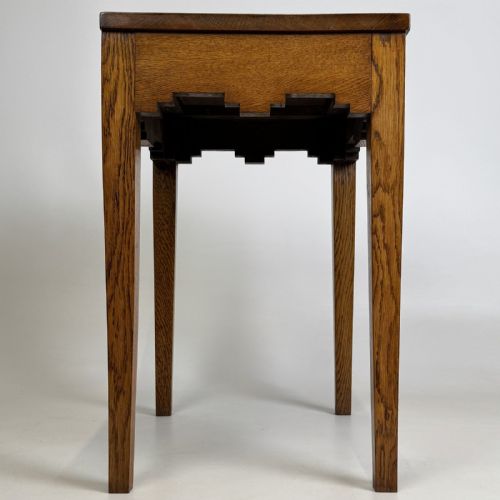
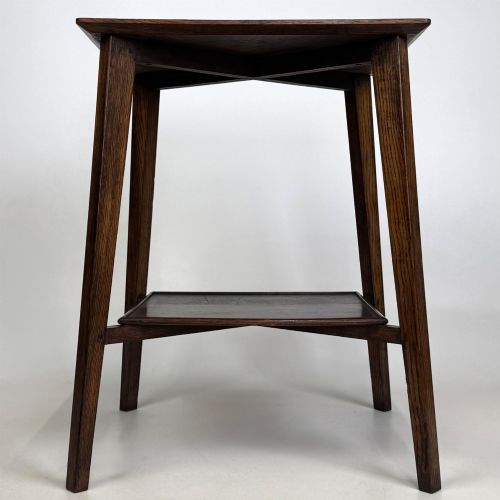
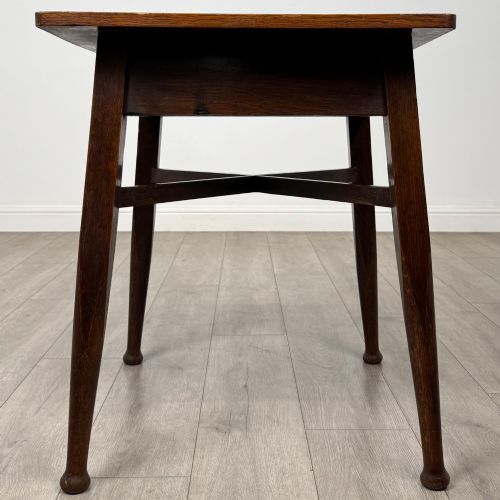
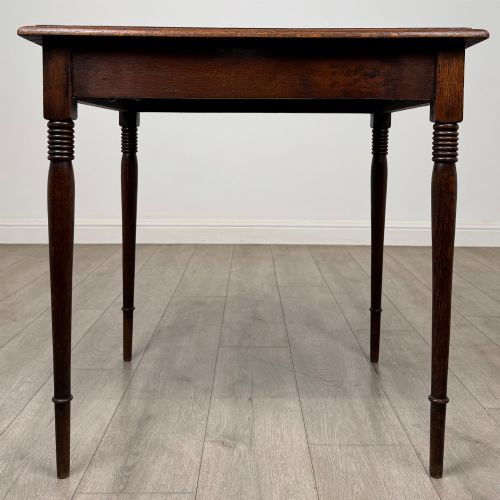
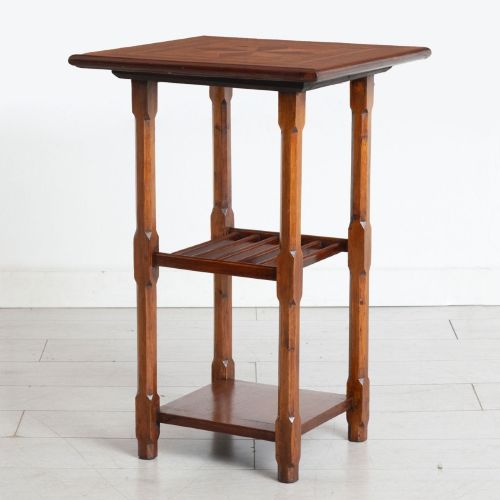
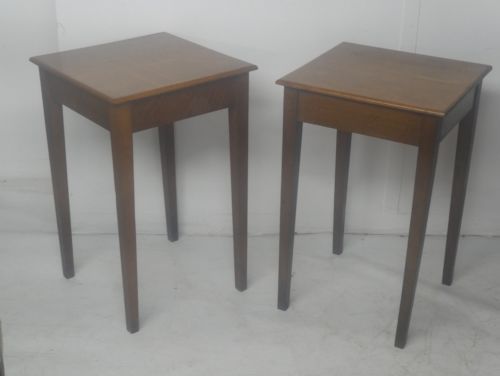
A square oak lamp table brings honest timber and sturdy proportion beside a chair or sofa, exactly what a sitting room needs for a lamp or a book.
Square Oak Lamp Table
A square oak lamp table provides a compact surface for a reading light or a small object in a sitting room. These pieces appear in forms described variously as side tables or occasional tables across the evidence.
Most examples belong to the Edwardian period or the Arts and Crafts movement, with Victorian, Art Deco and later dates also represented. The dimensions run to sensible proportions, such as twenty-five inches across, suiting a chair-side position.
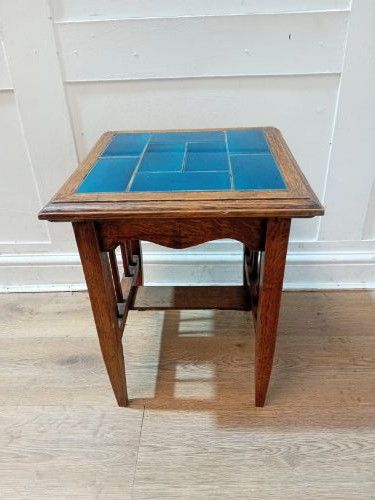
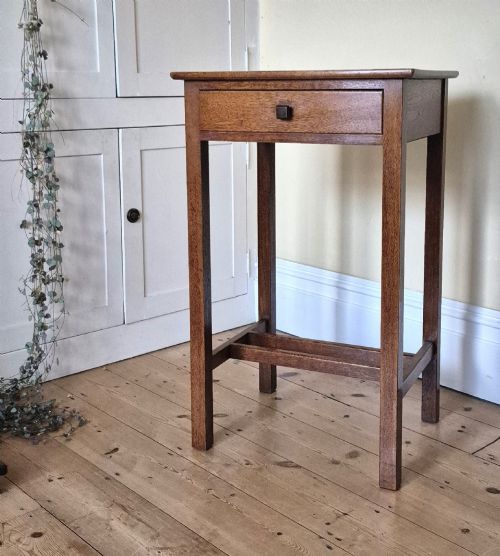
Makers and designers from these movements adopted the square format to showcase the grain of the timber and the solidity of the construction. You will find plain tops alongside pieces featuring carved decoration, ceramic tiles or a single drawer.
Materials and construction methods
Oak forms the primary material for these tables, complemented occasionally by beech, specimen wood or inlaid timber. Craftsmen utilised the natural figure of the timber, often selecting quarter-sawn oak to reveal characteristic medullary rays.
Leg supports range from straight or tapered members to turned shapes such as barley twist designs. Carved detailing and inlaid wood appear on specific examples in the manner of particular workshops or regional makers.
Some tables include a fitted ceramic tile top, providing a heat-proof landing spot for a teapot or a damp flower pot.
Distinctions in standard and execution
Quality in a square oak lamp table rests upon the crispness of the carpentry and the selection of the timber. Better examples display thoughtful integration of decorative elements like hand-carving or tile inserts rather than applied surface decoration.
The weight and stability of the frame differentiate standard production from finer pieces. A well-constructed table maintains rigid joints and balanced proportions without relying on heavy finishes to mask the quality of the wood.
Hubert Simpson of Kendal·Liberty of London·Baillie Scott
The Square Oak Lamp Table Glossary
- Arts and Crafts
- A design movement prioritising traditional craftsmanship, visible construction and the natural qualities of materials like oak. This style heavily influences many tables in this category.
- Barley twist
- A decorative turning technique resembling a twisted rope, frequently used for the legs of side and lamp tables. It adds vertical texture to the piece.
- Occasional table
- A light, movable table designed to be used as needed in a room rather than having a fixed position. These function interchangeably with side and lamp tables in the evidence.
- Specimen wood
- Timber selected for its unusual grain, colour or variety, incorporated into table tops for decorative effect. It contrasts with plain oak surfaces.
- Quarter-sawn oak
- Timber cut radially from the log, producing a distinct flecked grain pattern prized for stability and appearance. It appears frequently in Arts and Crafts furniture.
Square Oak Lamp Table: Frequently Asked Questions
What is a square oak lamp table used for?
These tables provide a convenient surface beside a seating area for lighting, drinks or books. Their compact proportions allow them to fit easily into corners or beside armchairs.
Historically, they served as versatile occasional furniture in Victorian and Edwardian sitting rooms. Today they fulfil the same practical role while adding period character to an interior.
How do I identify an Arts and Crafts table?
Arts and Crafts pieces emphasise the natural grain of oak and often feature honest, visible construction methods. Look for handcrafted details such as subtle carving or ceramic tile inserts.
Many examples date from the late nineteenth century through the early twentieth century. They avoid excessive ornamentation in favour of simple, robust forms.
Are these tables sturdy enough for daily use?
Solid oak construction gives these tables a natural durability that handles everyday placement of lamps and objects. Their sturdy frames withstand regular use in a busy room.
Joints built by period craftsmen ensure long-term stability. Treating the wood with care preserves the finish against moisture and wear.
How do I tell Edwardian pieces from Victorian ones?
Victorian examples often feature heavier carved decoration and darker finishes. Edwardian pieces tend to display lighter oak tones and simpler, cleaner lines.
Both periods overlap in the use of square tops and lamp table formats. Examining the depth of the carving and the shade of the timber helps distinguish between them.