



Square Oak Lamp Stand
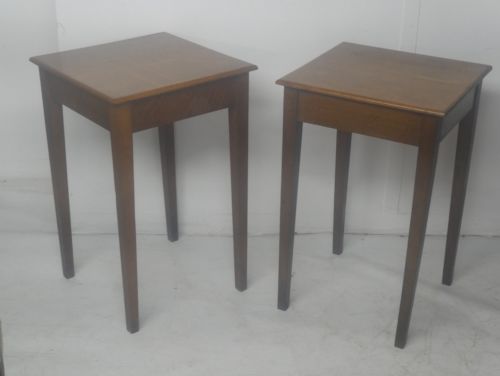
A square oak lamp stand brings honest timber and sturdy geometry to a corner, offering a dependable surface for your lighting.
Square Oak Lamp Stand
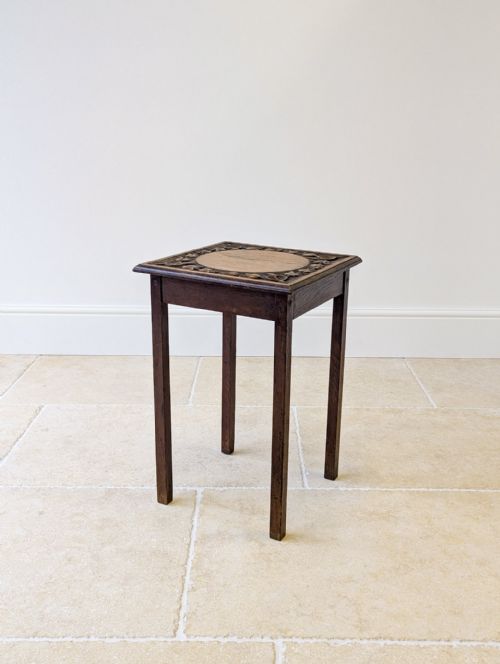
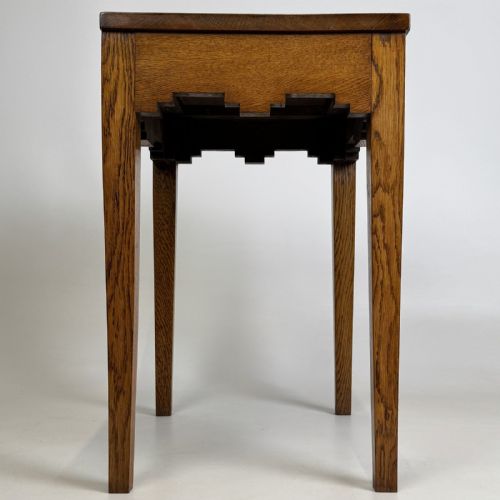
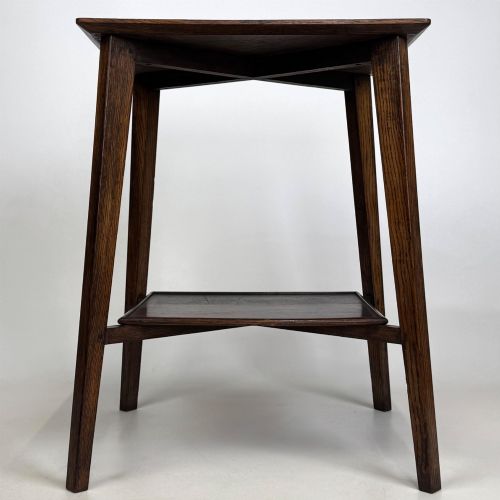
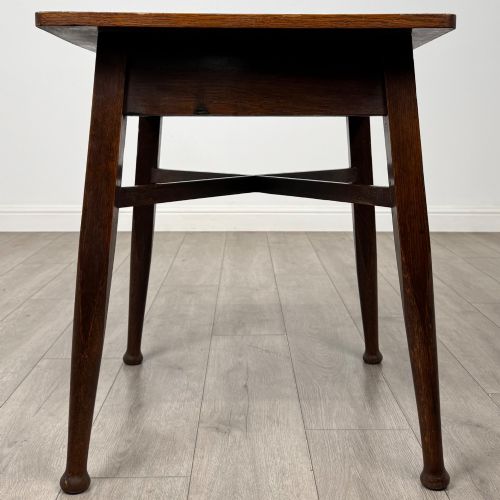
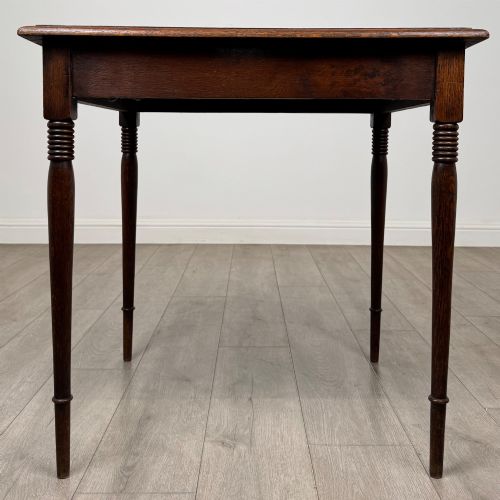
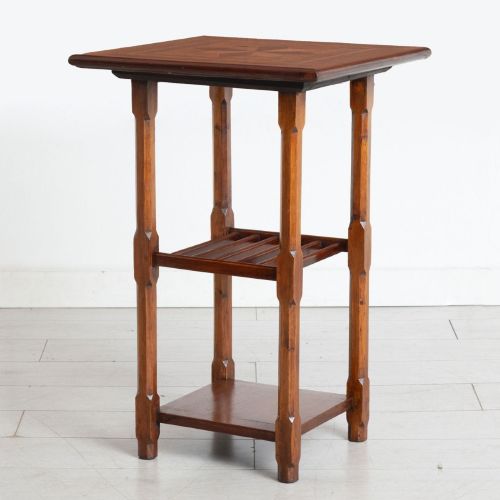
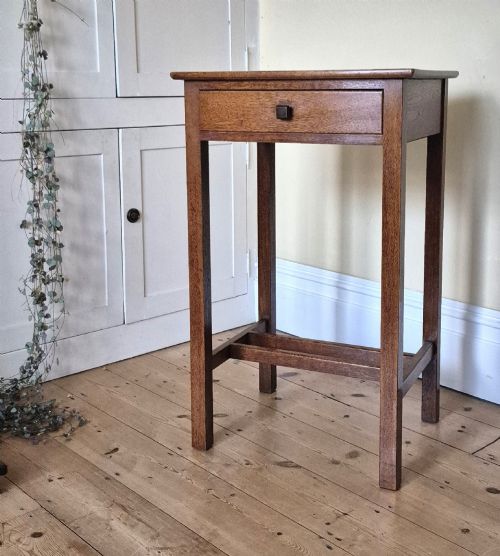
When you search for a square oak lamp stand, you are looking at sturdy occasional and side tables built primarily in solid oak during the late nineteenth and early twentieth centuries. These pieces cross paths with Edwardian, Victorian, and Arts and Crafts aesthetics, serving practical roles as low side tables or dedicated lamp holders.
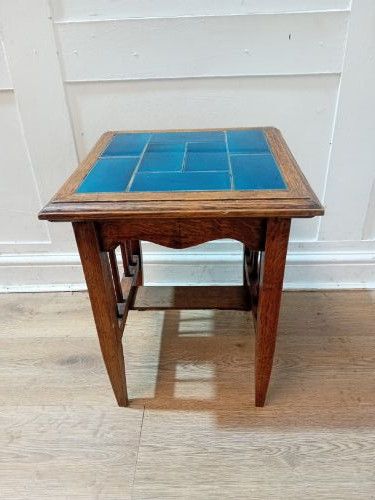
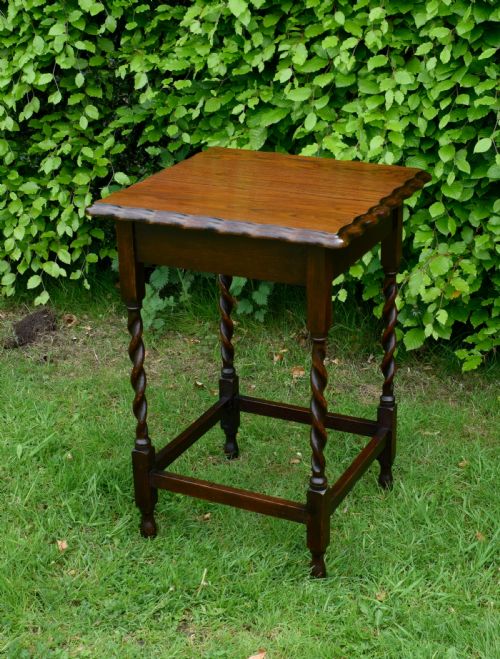
The versions you are most likely to meet on this page span from the eighteen-eighties to the nineteen-thirties, often featuring simple square tops supported by barley twist legs, ceramic tiles, or carved detailing. They draw on regional British traditions like Scottish country furniture and the stylistic influence of designers such as Baillie Scott and Hubert Simpson of Kendal.
Makers and workshops of the period produced these stands as functional furniture for domestic interiors, resulting in forms that function equally well beside a modern sofa or a traditional armchair. Their compact footprints and square proportions make them adaptable to various rooms without dominating the floor space.
Materials and construction methods
Construction relies heavily on solid oak, sometimes combined with specimen wood, inlaid timber, beech, or decorative ceramic tiles set directly into the table top. Workshops utilised traditional joinery techniques to ensure stability across small occasional tables and side tables.
Surface treatments range from plain waxed finishes that highlight the natural grain of the timber to hand-carved elements and turned components like barley twist legs. Inlaid details and tile inserts reflect the craft ethos of the Arts and Crafts movement alongside Edwardian production methods.
Square Oak Lamp Stand Retail Price Guide 2026
Typical asking prices for square oak lamp stand among the pieces listed under this phrase on Sellingantiques today, from the lower quarter to the upper quarter. They describe what is for sale here now, not the wider market.
Some tables feature built-in ceramic tiles, presumably so early readers could safely set down a hot mug of tea without reaching for a coaster.
Assessing quality and craftsmanship
Structural integrity and the retention of original surfaces govern the appeal of older tables, distinguishing honest vernacular items from heavily altered examples. Quality reveals itself in the crispness of turned barley twist legs and the secure fitting of joints across Victorian and Edwardian iterations.
Liberty of London·Baillie Scott·Hubert Simpson of Kendal
The Square Oak Lamp Stand Glossary
- Arts and Crafts
- A design movement valuing handcrafting, vernacular traditions, and honest materials over mass production. It heavily influences the oak tables found in this category.
- Barley Twist
- A decorative turning technique resembling a spiralling rope, frequently utilised on the table legs of Edwardian and later oak furniture.
- Occasional Table
- A light, movable small table designed for a specific, non-permanent use in a room, such as holding a lamp or book.
- Specimen Wood
- Timbers gathered from various tree species, often utilised for contrasting colour and grain patterns within inlaid table tops.
Square Oak Lamp Stand: Frequently Asked Questions
What is a square oak lamp stand?
It is a compact, four-sided table built from oak, designed to hold a lamp or serve as a small occasional surface beside seating.
These pieces typically date from the Victorian, Edwardian, or early twentieth-century periods and often display Arts and Crafts or vernacular British characteristics.
How do I date an oak side table?
Dating relies on observing construction methods, timber patination, and stylistic markers such as turned legs or carved motifs.
Parks of evolution span from Victorian solidity through Edwardian refinement to the simpler geometries of the nineteen-twenties and thirties.
Where should I place a lamp stand?
Their compact square proportions make them ideal for corners, beside armchairs, or next to sofas where surface space is limited.
They provide a stable platform for lighting while introducing warm timber tones to a room.
What styles are common in these tables?
The selection frequently encompasses Arts and Crafts, Edwardian, Jacobean Revival, and Art Deco influences.
Details like ceramic tile inserts, inlaid timbers, and barley twist legs help define these distinct stylistic approaches.