




Spy Caricature Art
Spy caricature art captures the notable figures of the late nineteenth and early twentieth centuries through witty portraits published in Vanity Fair.
Spy Caricature Art
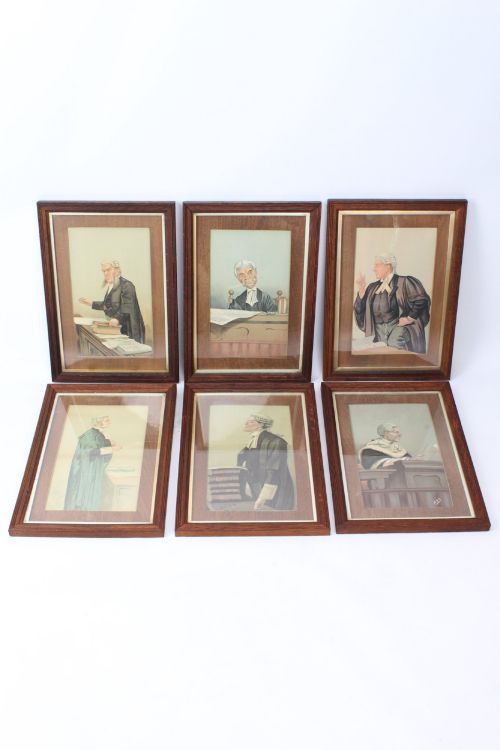
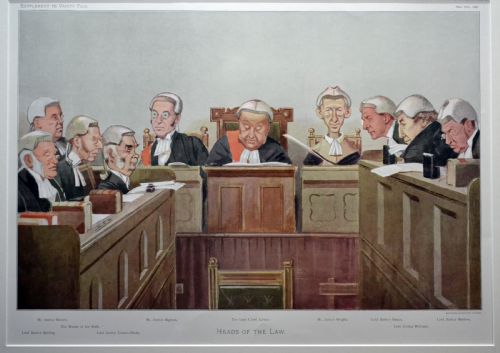
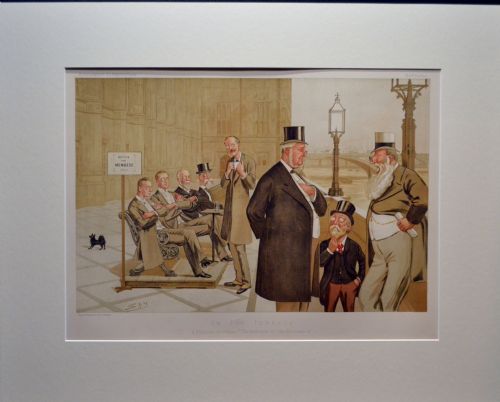
Spy caricature art consists of satirical and portrait prints that originally appeared in the periodical Vanity Fair, focusing on prominent figures of the Victorian and Edwardian eras. These works portray politicians, lawyers, royalty, and sportsmen with exaggerated physical traits while retaining an unmistakable likeness of the sitter.
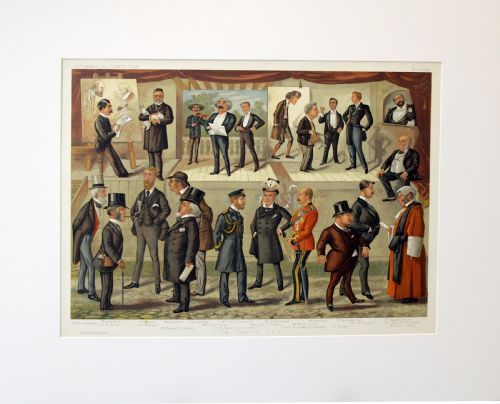
Buyers will encounter these pieces either as single sheets or framed artworks, with many examples presented in sets themed around legal, political, or military subjects. The formats range from standard single pages to unfolded double-page chromolithographs and larger group compositions.
How they were made
The production of spy caricature art relied primarily on ink and chromolithographic printing techniques applied to paper or cardboard. Publishers utilised multiple stone plates to build up the rich, flat colours characteristic of nineteenth-century periodical illustrations.
Framed examples typically incorporate wood mouldings, mount board, and protective glass to preserve the delicate paper sheets from environmental damage and handling wear.
Spy Caricature Art Retail Price Guide 2026
Typical asking prices for spy caricature art among the pieces listed under this phrase on Sellingantiques today, from the lower quarter to the upper quarter. They describe what is for sale here now, not the wider market.
Listings feature paper, wood, glass, ink, cardboard, mount board, and metal across the Victorian, Edwardian, and 1920 periods.
What varies in quality
Quality in spy caricature art is determined by the vibrancy of the chromolithographic ink and the preservation of the paper sheet. Strong, unfaded pigments and clean margins distinguish superior examples from those affected by light damage or acidity.
The choice of framing materials also influences the overall standard of the piece, with period wooden frames and conservation-grade mounts offering greater historical harmony than modern replacements.
The Spy Caricature Art Glossary
- Chromolithograph
- A multicoloured print produced using stone lithography plates. This method allowed publishers to recreate the subtle tones and vibrant hues of the original artist's watercolour cartoons.
- Spy
- The pseudonym of Leslie Ward, the most prolific and celebrated caricaturist for Vanity Fair. His signature appears on a vast majority of the portraits produced for the magazine.
- Double page
- An extra-large format spanning the central fold of the magazine. These larger plates often feature multiple subjects or a wider landscape composition.
- Men of the Day
- A recurring series title used by the magazine for individual satirical portraits of contemporary public figures. These prints formed the core of Victorian and Edwardian collecting.
Spy Caricature Art: Frequently Asked Questions
What is a Vanity Fair Spy print?
A Vanity Fair Spy print is an original satirical portrait published in the British weekly magazine during the late nineteenth and early twentieth centuries. These plates depicted well-known personalities of the era, drawn by artists such as Leslie Ward under the pseudonym Spy.
The prints served as both social commentary and popular portraiture, capturing the notable statesmen, sportsmen, and legal figures of Victorian and Edwardian society. Today, they remain sought-after pieces of historical illustration.
How do I date a Spy print?
Dating a Spy print relies on checking the publication details, which are typically printed beneath the image along with the date and the subject's name. The overall style of typography and the presence of specific series titles also provide clues to the period.
Most examples date from the Victorian and Edwardian eras, spanning the publication life of the magazine. Comparing the sitter's active career years with the printed date helps confirm the timeline.
Are these prints original antiques?
The pieces available are original antique prints extracted from the periodical volumes published in the nineteenth and twentieth centuries. They are not modern reproductions or digital facsimiles.
Collectors can identify authenticity through the paper texture, printing technique, and plate dimensions typical of Victorian and Edwardian publishing standards.
How should I frame these prints?
Framing these works requires acid-free mount board and UV-protective glass to prevent the ink and paper from fading over time. Preserving the margins around the image ensures the original publication details remain visible.
Displaying the prints away from direct sunlight protects the delicate chromolithographic colours. Choosing simple wood frames complements the traditional aesthetic of the period.