






Spiral Twist Lamps
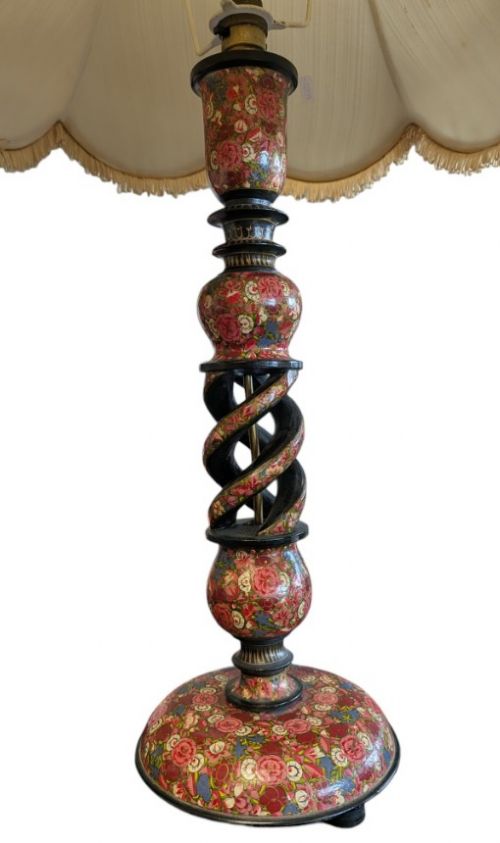
Spiral twist lamps bring architectural depth to a room through turned wooden shafts and gleaming metal columns.
Spiral Twist Lamps
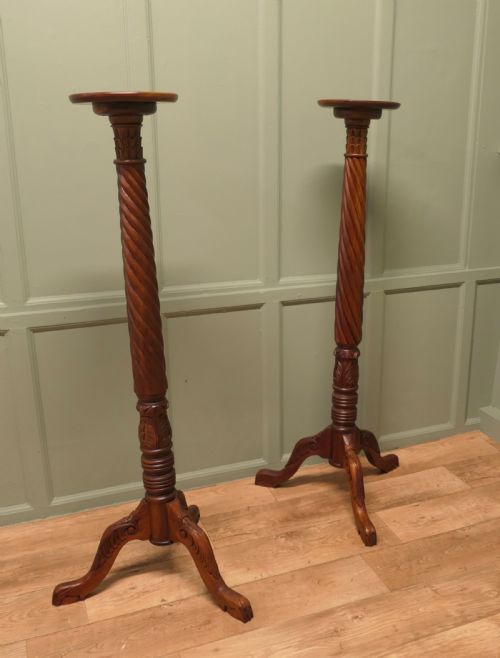
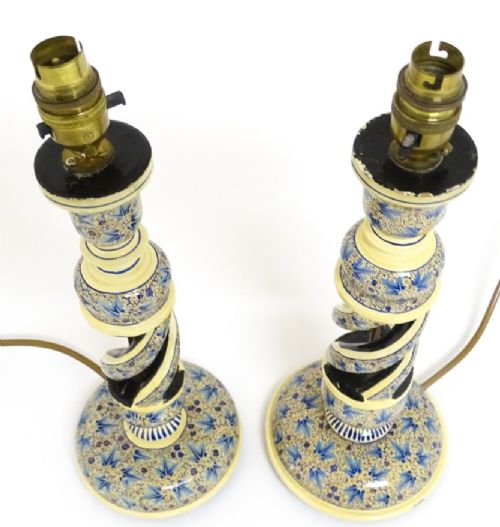
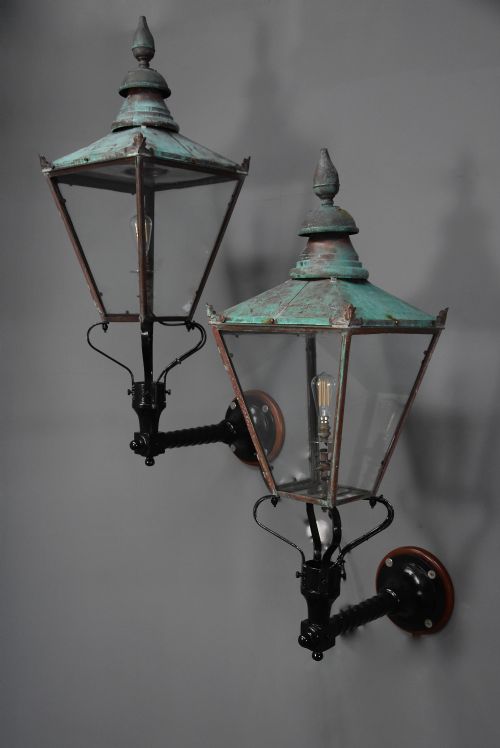
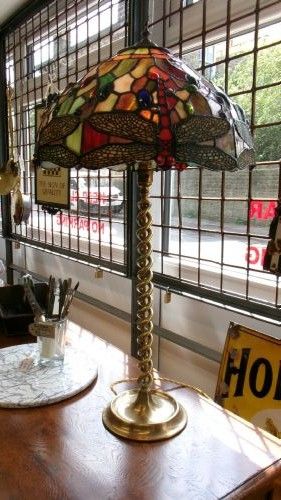
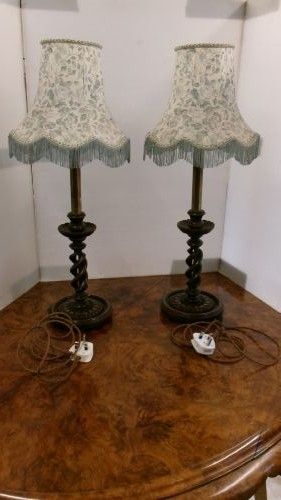
When searching for spiral twist lamps, collectors encounter vertical lighting fixtures and occasional stands defined by dynamic helix carvings in timber and metal. The selection includes tall floor-standing torcheres, compact table lamps with fabric shades, and wall brackets supporting lanterns.
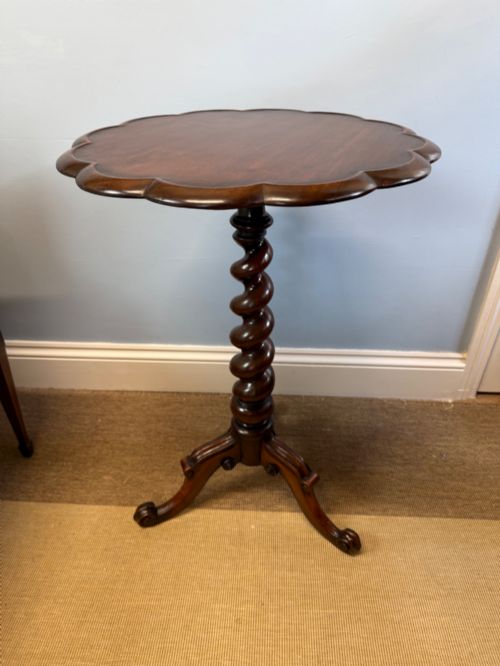
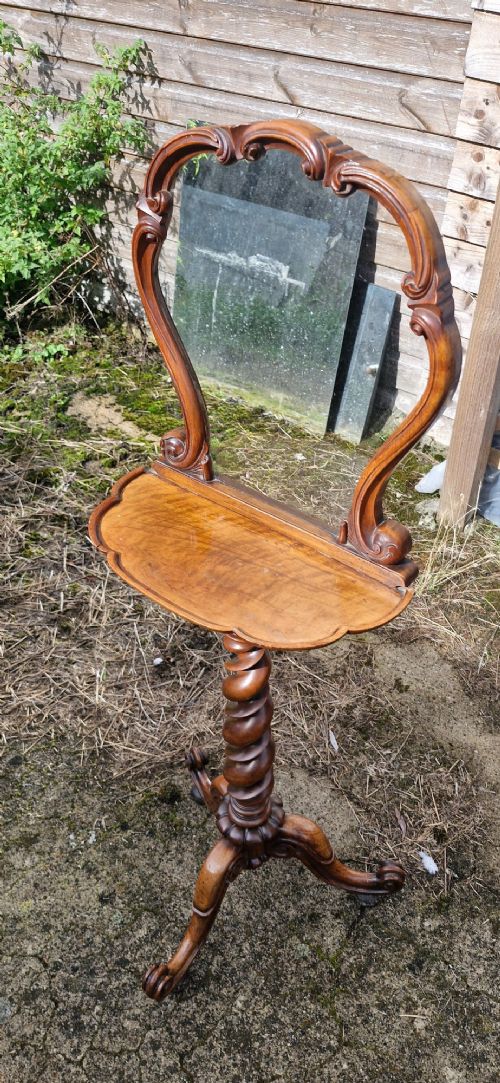
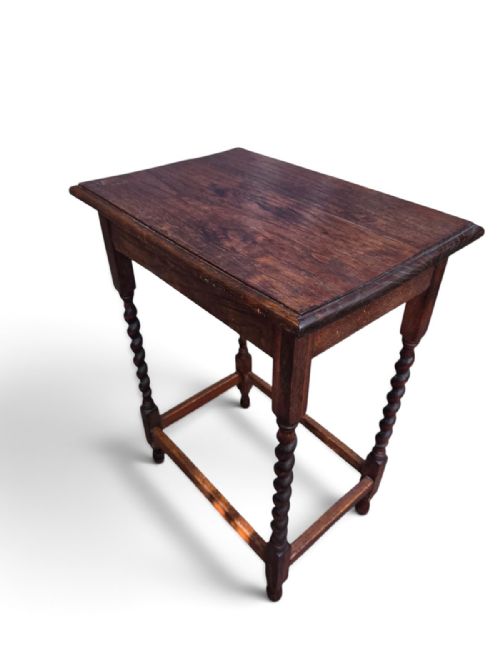
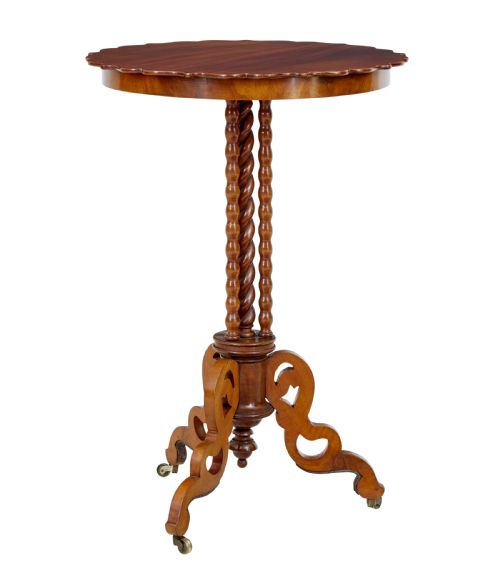
The version most frequently met on this page is the wooden table lamp or side table featuring turned barley twist supports. These pieces emerge predominantly from Victorian and Edwardian workshops, alongside items from the 1920s and 1930s.
Makers adapted the twist pattern across various object types, including occasional tables, wine tables, and standard lamps. Brass and bronze open twist designs appear alongside traditional walnut, oak, and mahogany columns.
How they were made
Craftsmen shaped solid timbers such as walnut, oak, mahogany, and burr elm using lathes and hand chisels to achieve precise helical rhythms. Turning a continuous spiral down a slender lamp shaft or table leg demanded steady skill to maintain uniform depth and pitch.
Metal examples utilise cast or spun brass, copper, and chrome, often formed in sections and joined securely. Wiring for electricity was frequently added later to older candlesticks and oil lamps, adapting traditional bases for modern illumination.
Spiral Twist Lamps Retail Price Guide 2026
Typical asking prices for spiral twist lamps among the pieces listed under this phrase on Sellingantiques today, from the lower quarter to the upper quarter. They describe what is for sale here now, not the wider market.
Some tall twist brackets once supported copper street lanterns, bringing industrial scale into domestic spaces.
What varies in quality
The distinction between ordinary and superior examples lies in the crispness of the twist and the selection of timber. Finely figured burr walnut and rich mahogany display deliberate grain alignment that enhances the sculptural twist.
Proportion and weight dictate the presence of a well-made piece, particularly in tall torcheres and heavy brass stems. Base stability and thoughtful joinery separate workshop pieces from mass-produced items.
The Spiral Twist Lamps Glossary
- Barley twist
- A cylindrical column carved or turned in a helical spiral resembling a stalk of barley. This profile became popular during the seventeenth century and saw major revivals in the Victorian and Edwardian periods.
- Torchere
- A tall, slender stand designed to hold a light source or decorative object. These vertical pieces elevate illumination above standard table height.
- Occasional table
- A small, movable table utilised for specific tasks or display. They often incorporate turned legs and circular tops.
- Bobbin turning
- A form of woodturning consisting of spherical or cylindrical shapes repeated along a shaft, resembling a string of beads or bobbins.
- Inlay
- The technique of inserting contrasting materials such as lighter woods into a recessed wooden surface to create decorative patterns.
Spiral Twist Lamps: Frequently Asked Questions
How do I date a spiral twist lamp?
Dating relies on examining the timber species, construction joints, and turning style. Victorian and Edwardian pieces often display deeper, hand-cut twists while later twentieth-century items show different wiring paths and machine precision.
Secondary woods and hardware give further clues to the decade of manufacture. Comparing the turning profile to dated furniture helps confirm the era.
Are these lamps converted from older items?
Many lighting fixtures originate as candlesticks, oil lamps, or architectural fragments fitted later with modern electrical components. This adaptive reuse was common practice throughout the twentieth century.
Converted pieces retain their original patination and craftsmanship while serving a contemporary purpose. Examining the base reveals where wiring enters the historic structure.
What woods were used for twist tables?
Cabinetmakers selected dense hardwoods that held fine detail without splitting during the turning process. Walnut, oak, and mahogany appear most frequently across these listings.
More decorative items utilise burr walnut or rosewood veneers to add visual texture to the table tops. The choice of timber usually reflects the prevailing fashion of the manufacturing period.
How do I care for polished wood bases?
Maintenance requires gentle dusting with a soft cloth and occasional application of traditional beeswax to nourish the timber. Avoiding direct sunlight and high moisture prevents the wood from drying or cracking.
Metal components benefit from careful cleaning appropriate to brass or copper without abrasive polishes. Preserving the original surface sheen maintains the character of the piece.