




Spiral Turned Table
A spiral turned table brings tactile rhythm into a room, offering carved wood surfaces that span from seventeenth-century walnut to nineteenth-century mahogany.
Spiral Turned Table
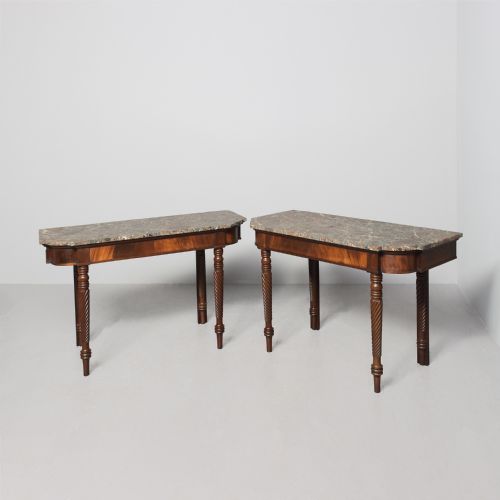
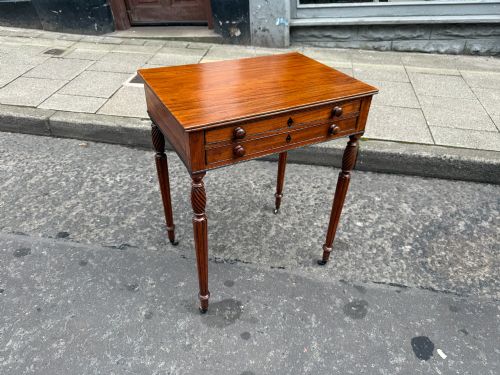
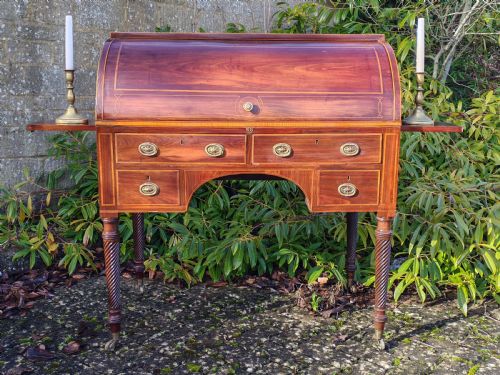
A spiral turned table focuses attention on its legs, where twisted wooden profiles define the silhouette of the piece. When you search for a spiral turned table, you encounter forms ranging from side tables and occasional tables to desks and plant stands.
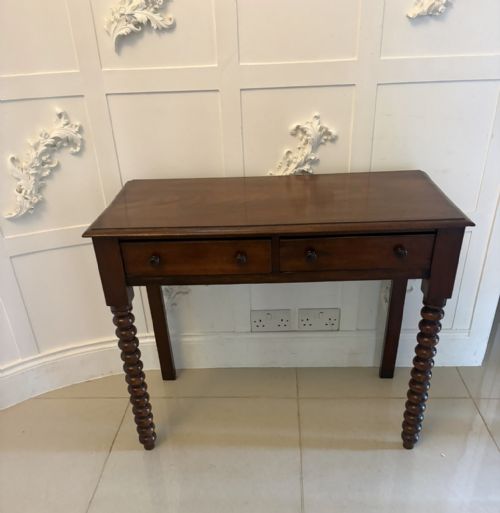
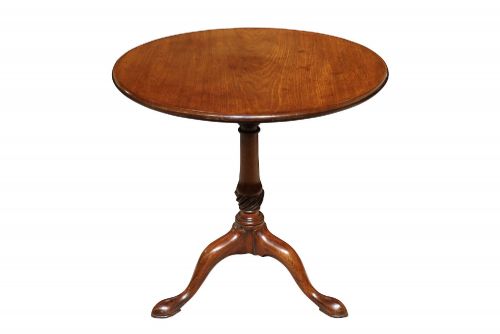
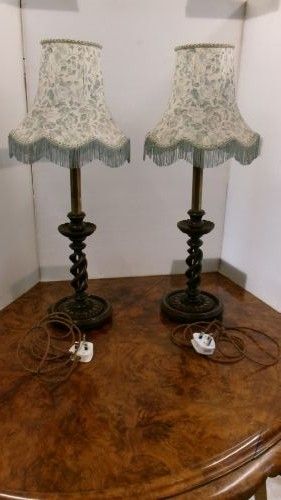
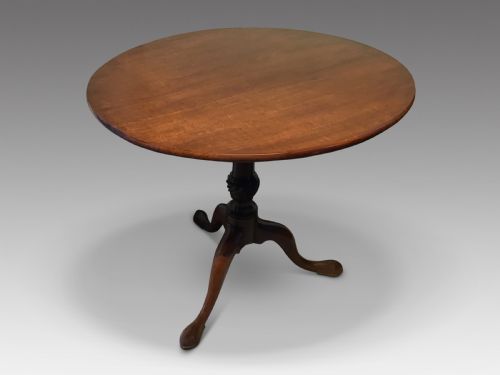
The examples on this page span multiple periods, from late seventeenth-century William and Mary marquetry pieces to Victorian walnut and oak interpretations. Side tables and tripod tables appear most frequently, alongside occasional tables featuring barley twist or bobbin turned supports.
Woods vary across these eras, with early pieces utilising walnut or oak, and later nineteenth-century examples appearing in mahogany and burr walnut. Some variants incorporate marble tops, brass fittings, or satinwood inlay to complement the turned timber structure.
Materials and construction methods
The construction relies on solid timbers such as mahogany, oak, walnut, and satinwood, shaped into complex profiles by hand or on early lathes. Turners carved or spun the wood into continuous helical twists, known historically as barley sugar or bobbin turning.
Joinery techniques matched the period of origin, utilising pegged mortise and tenon joints in seventeenth-century examples and dovetails in later drawer construction. Surfaces were finished with polished waxes or French polishes that accentuated the grain of the timber and the depth of the turned facets.
One enthusiastic nineteenth-century maker clearly decided that if a table has legs, they simply must resemble twisted sticks of barley sugar.
Assessing quality in turned furniture
Quality rests in the crispness of the turning and the selection of the primary timber, whether figured mahogany or rich burr walnut. Fine examples display uniform pitch and deep, clean cuts along the twisted legs without uneven sanding or filled voids.
The integrity of the structural joints and the matching of veneers, particularly on parquetry or marquetry tops, separate standard workshop output from exceptional pieces. Superior proportions and balanced scaling between the turned support and the upper surface indicate higher craftsmanship.
The Spiral Turned Table Glossary
- Barley twist
- A type of turning shaped like a helix, resembling a twisted rope or barley sugar. It gained popularity in English furniture during the seventeenth century and saw revivals in the Victorian era.
- Bobbin turning
- A form of lathe turning that creates a series of rounded, spherical shapes resembling spools or bobbins threaded together. This technique appears on seventeenth-century and later nineteenth-century occasional tables.
- Marquetry
- The art of applying decorative veneer pieces in geometric or pictorial patterns onto a solid wood carcase. It frequently decorates the top surfaces of late seventeenth-century side and centre tables.
- Parquetry
- A geometric mosaic of wood pieces used for surface decoration, similar to parquet flooring. It defines the tabletops of several seventeenth-century pieces recorded in the evidence.
- Tripod table
- A small freestanding table supported by a central pillar above three splayed legs. These forms often incorporate tilting mechanisms and turned columns.
Spiral Turned Table: Frequently Asked Questions
How do I date a spiral turned table?
Dating relies on identifying the primary timber, joinery methods, and the style of the turning. Seventeenth-century examples typically utilise oak or walnut with heavy, deep twists, whereas nineteenth-century revivals often feature mahogany or lighter burr veneers.
Secondary characteristics, such as the construction of drawer linings and edge mouldings, help confirm whether a piece originates from the William and Mary period or the Victorian era.
Where should I place an occasional table?
An occasional table works well beside seating areas, in hallways, or as a lamp stand where its turned legs remain visible. Smaller tripod and side variants fit easily into compact spaces without dominating the room.
Ensure the surface timber is protected from direct moisture and heat by using coasters or mats, particularly on polished mahogany and walnut finishes.
How do I care for antique wood surfaces?
Regular dusting with a soft, dry cloth prevents the accumulation of grit that can scratch polished finishes. Periodic applications of traditional beeswax nourish the timber without building up synthetic residues.
Keep wooden furniture away from direct heat sources and drastic humidity changes to prevent timber movement or veneer lifting.