





Spiral Turn Table
A spiral turn table brings sculptural timber framing and rich grain into a room, offering a tactile focal point for a study or sitting space.
Spiral Turn Table
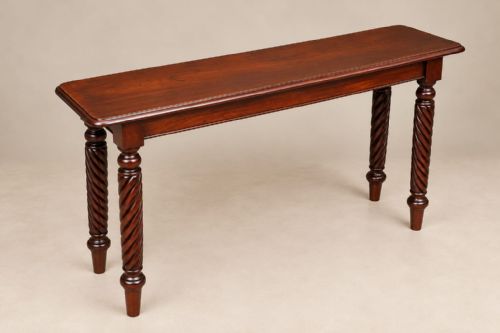
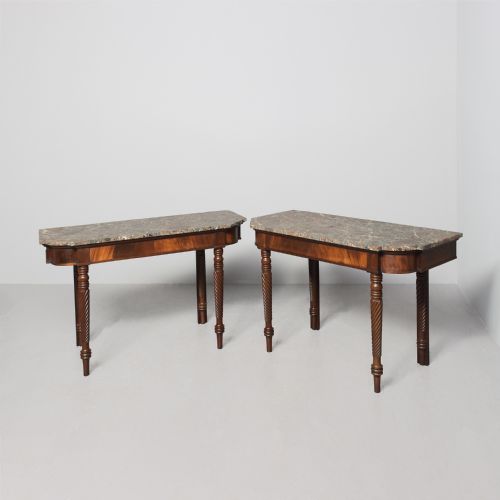
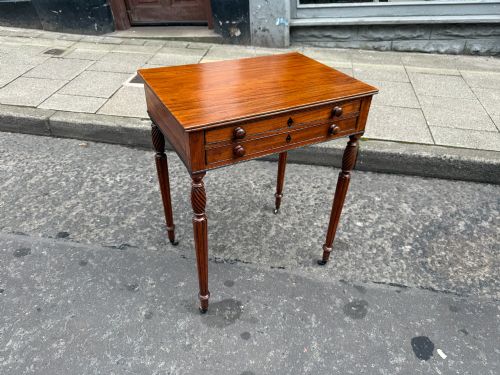
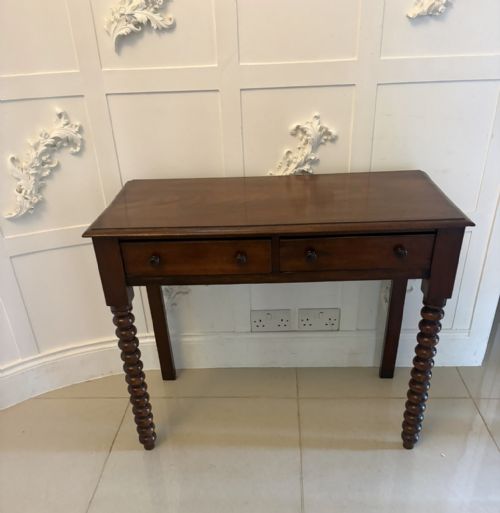
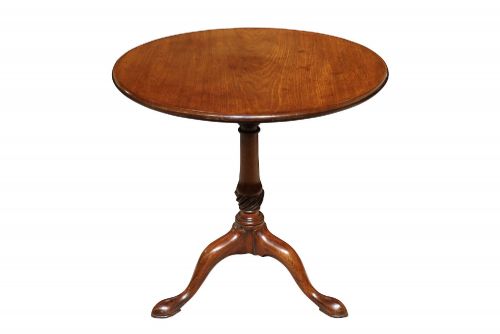
A spiral turn table involves timber supports shaped with twisted or turned profiles, appearing across centuries of English and continental cabinetmaking. When buyers search for a spiral turn table, they encounter various occasional, side, and tripod forms rather than a single standardised design.
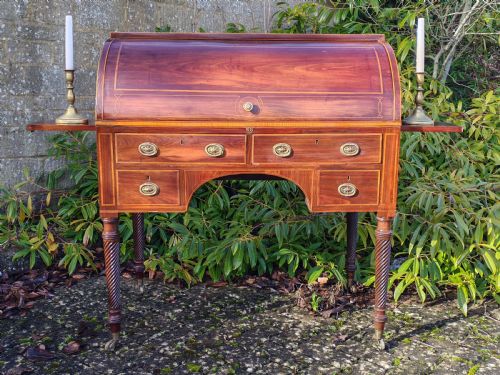
The pieces seen here span from late seventeenth-century marquetry examples to nineteenth-century walnut and mahogany interpretations. These tables function primarily as surfaces for lamps, plants, or books, drawing the eye through their distinctive uprights.
Mahogany and oak dominate the timber selection, frequently paired with turned legs that define the character of the object. Side tables and tripod occasional tables represent the most common formats within this category.
Materials and construction
Cabinetmakers utilised dense hardwoods such as mahogany, walnut, and oak to carve and shape twisted supports. These timbers provided the structural strength required for slender legs and tripod bases.
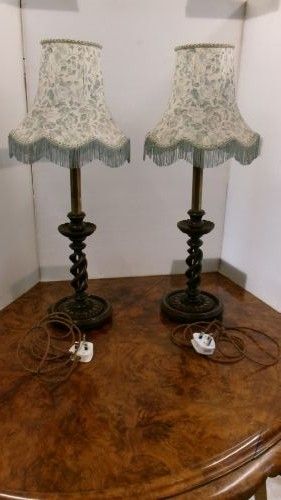
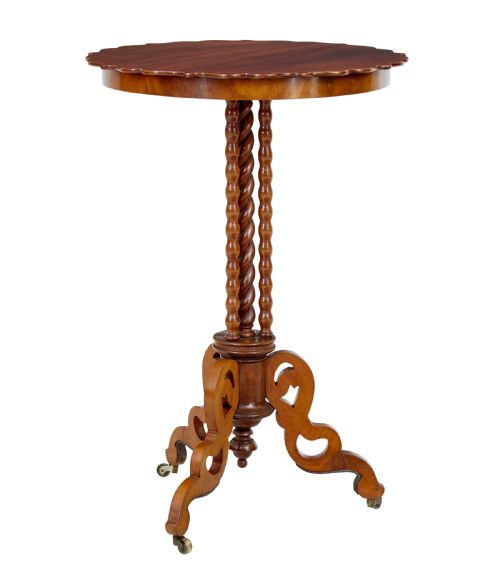
Turning techniques on a lathe produced the characteristic spiral or barley twist profiles seen on table legs and uprights. Joinery methods relied on traditional mortise and tenon construction to ensure stability.
Spiral Turn Table Retail Price Guide 2026
Typical asking prices for spiral turn table among the pieces listed under this phrase on Sellingantiques today, from the lower quarter to the upper quarter. They describe what is for sale here now, not the wider market.
Some tables were built with twisting legs designed to confuse wandering ghosts.
Judging the work
The crispness of the turning on the uprights and legs separates finer examples from simpler workshop output. Sharp, well-defined twists demonstrate greater skill in timber manipulation.
Timber selection and surface figure dictate the visual impact of the piece. Tables featuring matched veneers, parquetry, or richly grained solid mahogany stand apart from plainer utility items.
Gillows
The Spiral Turn Table Glossary
- Barley twist
- A turned wooden column resembling a spiralling rope or corkscrew. This decorative motif appears frequently on seventeenth-century and nineteenth-century furniture legs.
- Tripod table
- A small freestanding table supported by a central pillar resting on three legs. These versatile pieces gained popularity during the Georgian period for tea and occasional use.
- Parquetry
- Geometric mosaic woodwork arranged in patterns on table surfaces. It showcases the precision of the maker in contrasting timber species.
- Sutherland table
- A drop-leaf table with narrow leaves and hinged legs that swing out to support them. They fold flat for compact storage against a wall.
- Marquetry
- Inlaid patterns using various woods to create pictorial or decorative designs on furniture tops. This technique requires considerable patience and skill.
Spiral Turn Table: Frequently Asked Questions
What is a spiral turn table used for?
These tables function as versatile surfaces for lamps, books, or decorative objects within a living space or study.
Their compact footprints allow them to fit beside armchairs or against walls where larger furniture would overwhelm the room.
How do I care for antique mahogany and walnut?
Keep wooden surfaces away from direct sunlight and heat sources to prevent timber splitting and fading.
Apply traditional beeswax periodically to nourish the grain and maintain a natural sheen without using modern silicone sprays.
Where should I place a tripod occasional table?
A tripod base fits easily into awkward corners or beside seating where four-legged tables prove too cumbersome.
Ensure the floor is level so the three-footed base remains stable without rocking.