




Spelter Sculpture Lamp
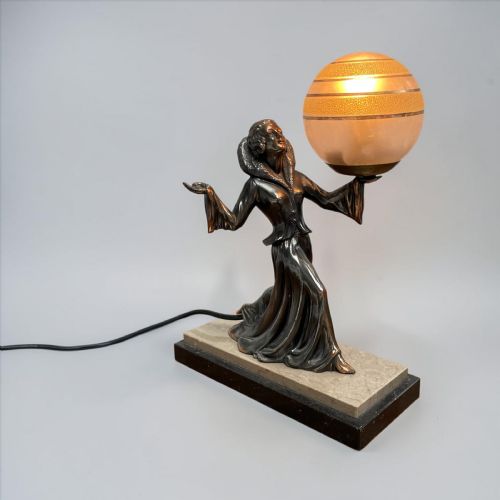
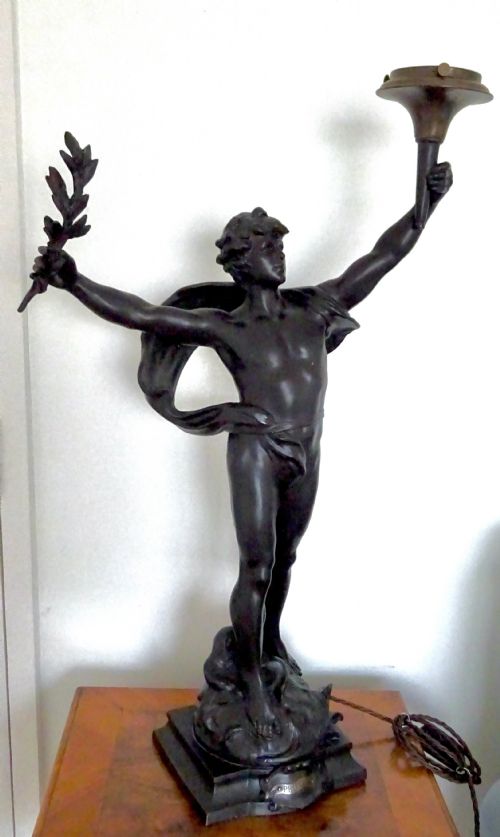
These spelter sculpture lamp examples combine cast metal figures with integrated lighting, offering distinct sculptural presence for period interiors.
Spelter Sculpture Lamp
A spelter sculpture lamp represents a fusion of decorative figural casting and functional illumination, typically taking the form of a table lamp. The listings demonstrate pieces originating from the late nineteenth century through to the Art Deco period of nineteen thirty, capturing shifting aesthetic tastes across several decades.
Buyers will encounter various stylistic interpretations, ranging from Neo-Classical and Art Nouveau to French Art Deco and Belle Epoque designs. The most common forms feature standing female figures, torchere shades, and cultural subjects paired with heavy stone bases.
Origins heavily lean towards French workshops, with several notable examples dated around nineteen twenty and nineteen thirty. These items function primarily as decorative statement pieces that project ambient light through frosted or crackle glass shades.
How they were made
The primary material for the sculptural elements is spelter, a zinc-based alloy that allows for intricate casting and fine detail. Makers frequently applied patinated metal finishes, silvering, or painted treatments to simulate higher-value bronzes.
To provide stability for tall figural compositions, manufacturers mounted the spelter sculptures onto heavy natural stone plinths including marble and onyx. Lighting elements incorporated glass components, specifically utilising frosted glass and crackle glass for shades and diffusers.
Spelter Sculpture Lamp Retail Price Guide 2026
Typical asking prices for spelter sculpture lamp among the pieces listed under this phrase on Sellingantiques today, from the lower quarter to the upper quarter. They describe what is for sale here now, not the wider market.
Listings incorporate designs spanning the Edwardian era, nineteen ten, nineteen twenty, and nineteen thirty.
What varies in quality
The choice of base material and associated shade also dictates the tier of the piece, with solid marble or onyx plinths and specialised glass elements marking out superior production standards. Pieces bearing signature attributions from known sculptors demonstrate higher execution values than unmarked commercial castings.
Auguste Moreau·P.Sega
The Spelter Sculpture Lamp Glossary
- Spelter
- A zinc-based alloy commonly used as a cost-effective substitute for bronze in decorative figures and lamp bases. It takes fine detail well in casting but requires protective surface treatments.
- Patinated metal
- Metal surfaces treated with chemical solutions to produce an aged or coloured finish. This technique enhances visual depth and protects the underlying alloy.
- Torchere shade
- An upward-pointing glass shade designed to direct light toward the ceiling. These fixtures are frequently held aloft by cast figural sculptures.
- Crackle glass
- Glass purposefully subjected to thermal shock during production to create a fine network of internal fractures. This texture diffuses light in a distinctive decorative pattern.
Spelter Sculpture Lamp: Frequently Asked Questions
What is a spelter sculpture lamp?
A spelter sculpture lamp is a decorative lighting fixture featuring a cast zinc-alloy figure mounted to a heavy base. These pieces combine sculptural art with functional illumination, utilising materials like marble and glass.
Most examples date from the late nineteenth century through the Art Deco era. They were designed primarily for domestic tabletops and decorative display.
How do I date these lamps?
Dating relies heavily on stylistic markers, costume details, and the characteristics of the associated glass and bases. Art Deco examples typically feature geometric lines and streamlined figures from around nineteen thirty.
Earlier pieces from the Belle Epoque or turn of the century display more ornate, organic forms. Signatures and foundry marks can also help establish a precise timeframe.
What are the bases usually made from?
The bases are predominantly constructed from heavy natural stones such as marble or onyx. These materials provide the necessary counterweight for tall figural castings.
Stone plinths also contribute to the overall aesthetic weight of the piece. Their colour and grain often reflect the prevailing interior design trends of the manufacturing period.
How should I live with one?
These lamps function best as ambient lighting sources placed on sturdy tables or pedestals. Their substantial weight requires stable placement away from high-traffic edges.
Care should be taken with the delicate metal finishes and glass shades during cleaning. Gentle dusting preserves the original patination and glass textures over time.