



Spelter Metal Animal
Spelter metal animal figures capture domestic pets and wild beasts with distinct charm, offering striking forms for any mantelpiece or desk.
Spelter Metal Animal
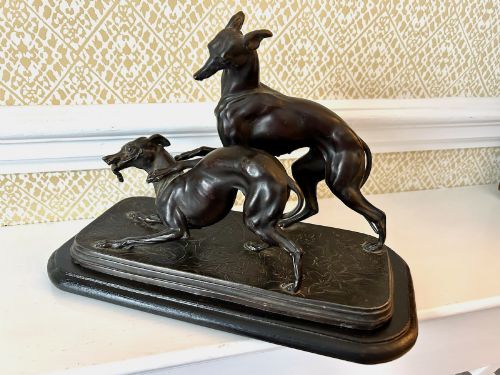
When you search for spelter metal animal pieces, you uncover a distinct selection of decorative figures, bookends, and lighting created primarily during the early twentieth century. These domestic pets and wild beasts range from sleek panthers to alert whippets, often mounted on solid stone plinths.
The objects appearing on this page mostly date from the Edwardian era through to the Art Deco period. You find animals depicted in dynamic poses, whether crouching, prowling, or seated quietly as part of a functional desk accessory.
Makers utilised this accessible white metal alloy to produce affordable sculptural works for middle-class homes. The resulting sculptures and bookends bring a strong sculptural presence into a room without the heavier weight or cost of solid bronze.
Materials and construction
Foundries cast spelter into moulds to shape the body of each beast, capturing fine details in the fur and muscle structure. Artisans then applied surface treatments such as cold painting or dark patination to simulate the appearance of bronze or natural animal coats.
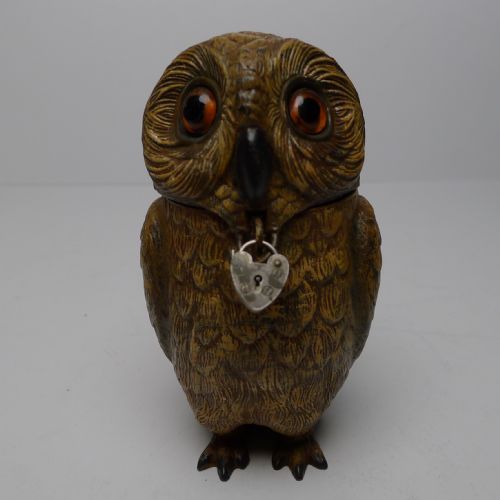
Many of these figures are secured onto contrasting bases made from black marble or onyx, providing stability and a clean geometric frame. Some utilitarian forms incorporate additional materials like glass elements or wooden components to complete lamps and money boxes.
Spelter Metal Animal Retail Price Guide 2026
Typical asking prices for spelter metal animal among the pieces listed under this phrase on Sellingantiques today, from the lower quarter to the upper quarter. They describe what is for sale here now, not the wider market.
Listings featuring spelter metal animal pieces span the 1910s, 1920s, and 1930s, incorporating materials such as onyx, glass, and marble.
Judging quality in metal figures
The distinction between standard commercial production and finer sculptural work lies in the crispness of the casting and the sensitivity of the finishing. Superior examples retain sharp musculature and facial expressions rather than soft, rounded contours.
The quality of the secondary materials also elevates a piece, such as a heavy veined marble base rather than a simple wooden mount. Furthermore, the preservation of original cold painted surfaces or rich patination determines the visual impact of the object.
C Masson
The Spelter Metal Animal Glossary
- Spelter
- A zinc-based alloy used as an economical alternative to bronze for decorative sculptures. It takes fine detail well and accepts various surface coatings.
- Cold painted
- A technique where paint is applied to metal without heat firing after the initial casting. This decoration often shows gentle wear over decades of handling.
- Patination
- The surface finish or discoloration developed naturally or applied artificially to metal. This treatment gives the alloy an aged bronze appearance.
- Art Deco
- A design style spanning the 1920s and 1930s characterised by streamlined geometric forms and stylised depictions of wildlife. It heavily influences the posture of many animal figures from this era.
- Bookends
- A pair of heavy decorative supports designed to keep upright rows of books on a shelf. In this category, metal animal figures are frequently cast as matching pairs for this purpose.
Spelter Metal Animal: Frequently Asked Questions
What is spelter metal?
Spelter is a zinc alloy that foundries cast into decorative figures and household objects during the nineteenth and twentieth centuries.
It provided a cost-effective substitute for bronze, allowing makers to produce accessible sculptures for everyday interiors.
How do I care for my metal animal?
Keep these figures away from direct moisture and clean them gently with a dry, soft cloth to protect the surface finish.
Avoid using harsh chemical polishes that can strip away original patination or delicate cold painted details.
Are these figures solid bronze?
No, these pieces are formed from a softer zinc alloy rather than copper and tin bronze. You can often check this by inspecting the base or underside where the lighter metal colour appears.
While they resemble bronze visually, they feel lighter and require more gentle handling.
Why are they mounted on marble?
Heavy stone bases provided essential stability for relatively lightweight metal alloy sculptures and bookends.
Foundries selected black marble and onyx during the Art Deco period to complement the dark patination of the animal figures.