




Specimen Storage Box
A specimen storage box is a small, purposeful cabinet built to protect fragile natural or mechanical items.
Specimen Storage Box
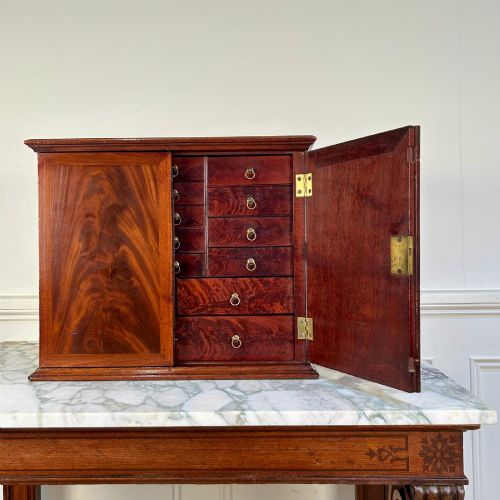
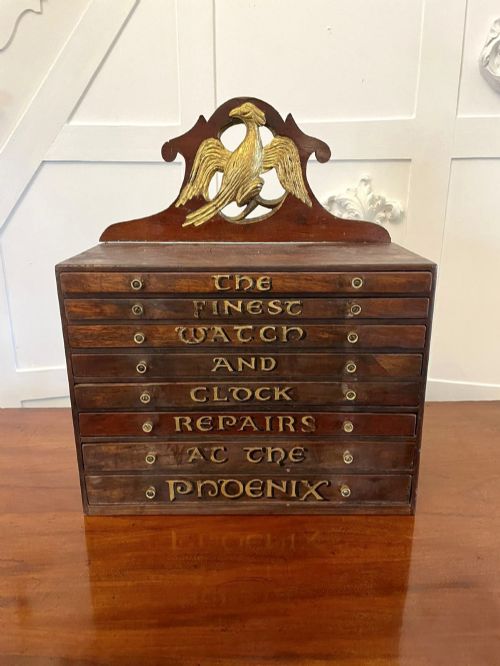
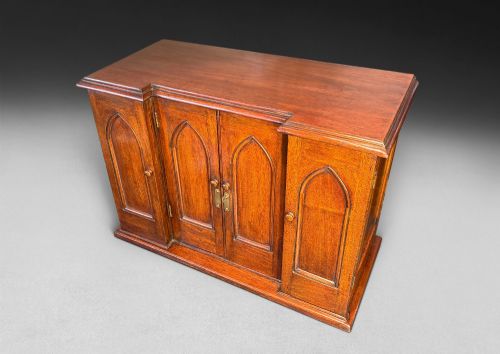
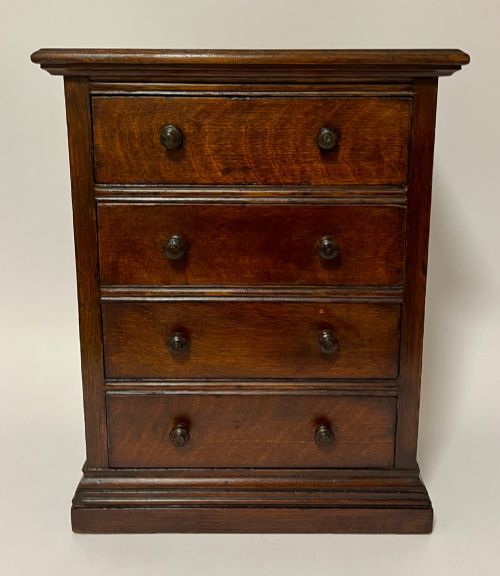
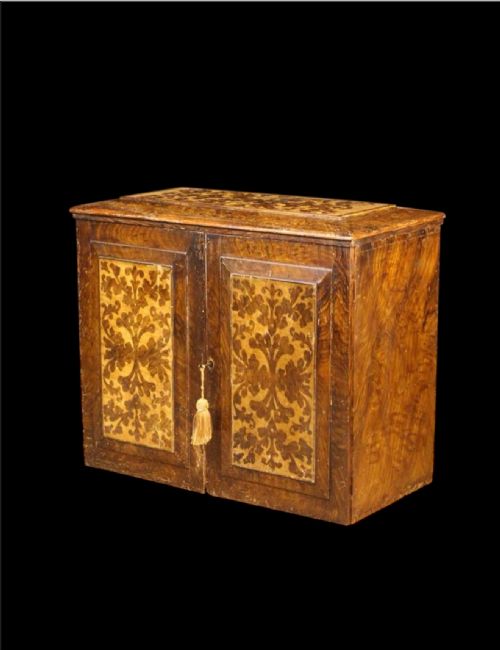
A specimen storage box is a fitted tabletop chest designed to hold small collections, scientific slides, or specialised instruments securely. These pieces range from nineteenth-century Victorian microscope slide cabinets in mahogany and walnut to sturdy oak tabletops and industrial utility chests.
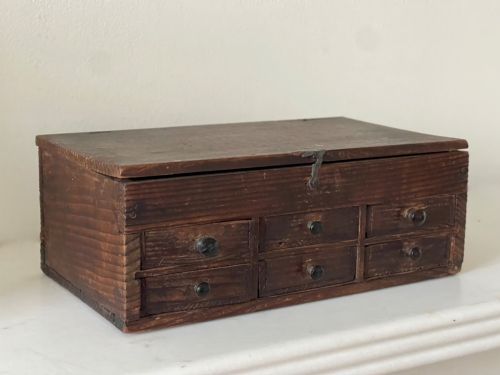
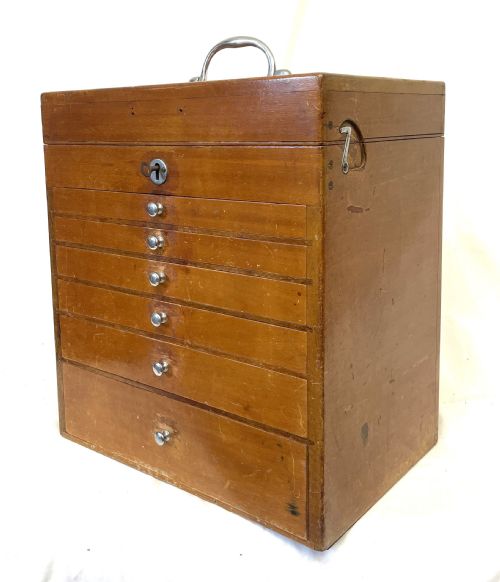
Most examples found here date from the nineteenth century and the Victorian era, alongside early twentieth-century utilitarian and medical boxes. They frequently feature multiple shallow drawers or internal compartments tailored for precise organisation.
Forms vary from miniature chests of drawers and apothecary cabinets to brass-reinforced glass cases and bone-veneered caskets. The typical piece reflects a period of meticulous private collecting and professional field work.
How they were made
Cabinetmakers utilised dense timbers such as mahogany, oak, and walnut to build rigid frames that protect delicate contents from humidity and warping. Pine and other utilitarian woods appear in workshop and medical chests.
Metal hardware such as brass handles, hinges, and locks provide both security and structural reinforcement for transport and desktop use. Specialised interiors incorporate glass panels, felt linings, and precision-cut drawer dividers.
Specimen Storage Box Retail Price Guide 2026
Typical asking prices for specimen storage box among the pieces listed under this phrase on Sellingantiques today, from the lower quarter to the upper quarter. They describe what is for sale here now, not the wider market.
Among the scientific slides and medical chests sits a vintage casket decorated with intricate bone veneers.
What varies in quality
Superior examples demonstrate refined timber selection, such as figured mahogany or walnut, paired with tight joinery and original brass fittings. The complexity of the internal drawer configuration often signals a higher grade of craftsmanship.
Simpler workshop or utility boxes prioritise sturdy construction and practical materials over decorative timber or intricate hardware.
The Specimen Storage Box Glossary
- Table-top cabinet
- A small chest designed to sit on a desk or table rather than stand on the floor. These pieces allow easy access to organised contents.
- Collectors cabinet
- A multi-drawer piece built specifically to house classified items such as insects, minerals, or slides. They often feature tight-fitting drawers to keep out dust.
- Microscope slide cabinet
- A specialised storage chest featuring numerous very shallow drawers sized to hold glass slides flat. They frequently include numbered drawer pulls or index slots.
- Apothecary cabinet
- A small storage unit equipped with multiple drawers for medicines, instruments, or small dry goods. They date widely from the Victorian and Edwardian periods.
- Specimen case
- A protective box or small chest intended for transporting or displaying natural history items. They often incorporate glass lids or brass carrying handles.
Specimen Storage Box: Frequently Asked Questions
What fits inside a specimen storage box?
These boxes accommodate small, delicate objects including microscope slides, minerals, watch parts, and medical instruments. The shallow drawers are specifically proportioned for flat or miniature items.
Buyers often use them today to organise jewellery, fountain pens, or small modern collections while retaining period character.
How do I date a specimen box?
Dating relies on timber choices, construction methods, and hardware styles such as brass locks and drawer pulls. Victorian and nineteenth-century pieces typically feature hand-cut dovetails and dense hardwoods like mahogany.
Twentieth-century examples often show simpler industrial utility construction, pine framing, or machine-cut elements.
Where were these cabinets placed?
Original owners kept these chests on desks, tabletops, or dedicated study furniture where collections could be examined closely. Portable medical and instrument chests were built for travel or clinical work.
Today, their compact footprint allows them to sit easily on modern sideboards, desks, or shelves without dominating a room.
Are the interiors original?
Many surviving cabinets retain their original wooden drawer dividers, felt linings, or glass panels. Specialist microscope and instrument cases often keep their fitted wooden slots.
Minor interior adjustments or relining can occur over decades of active use by successive collectors.