



Spanish Framed Fine Art
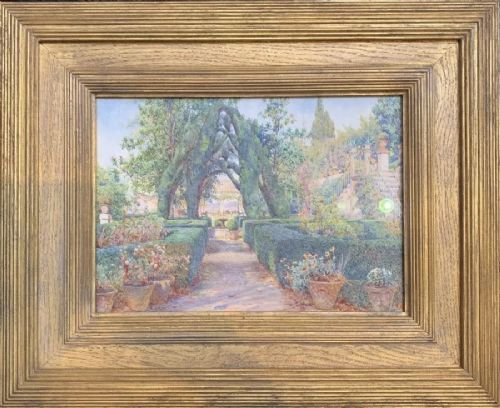
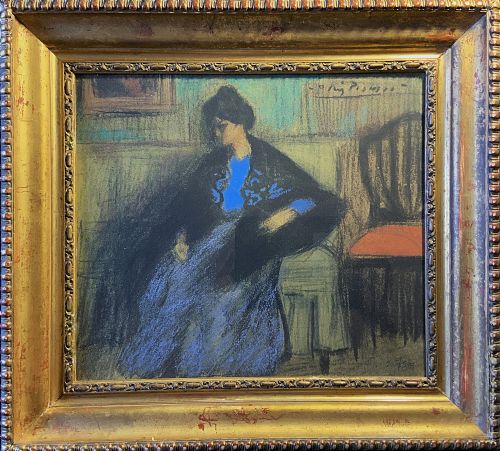
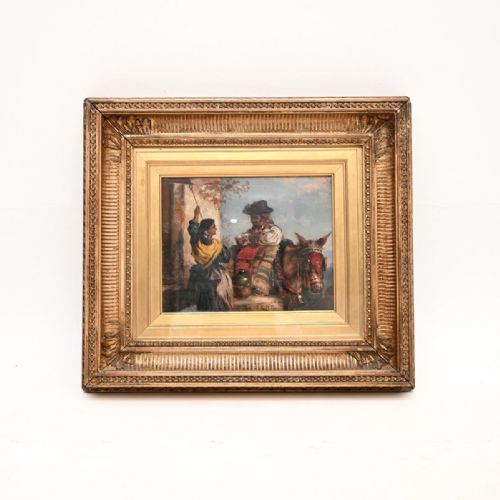
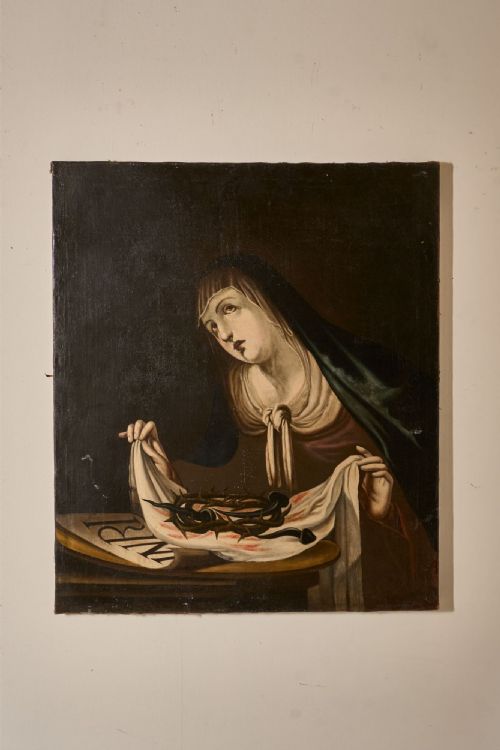
Spanish framed fine art brings together oil paintings, watercolours, and prints housed in wood and gold leaf frames that capture centuries of visual culture.
Spanish Framed Fine Art
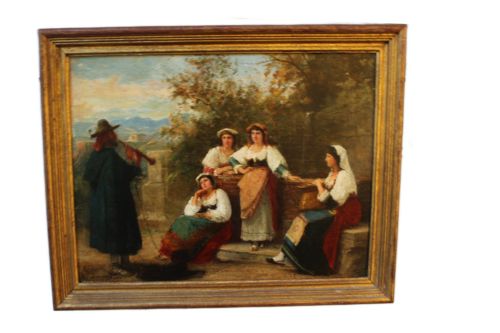
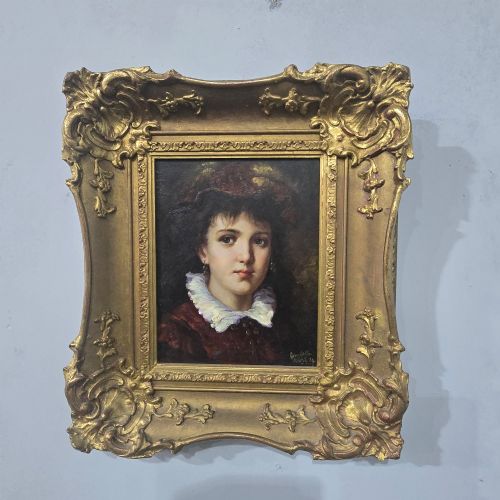
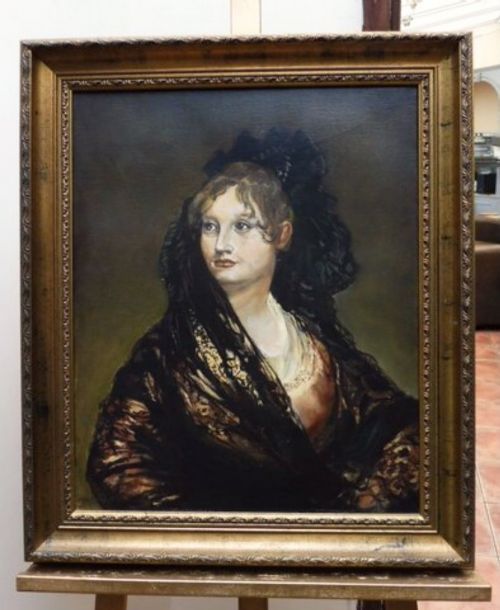
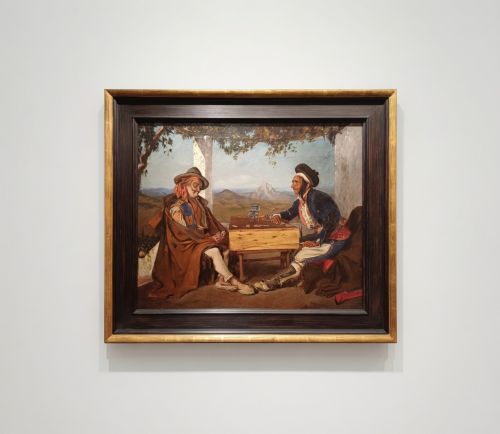
When you search for spanish framed fine art, you encounter a diverse collection spanning from the seventeenth century through to the mid-twentieth century. The pieces range from religious subjects and classical portraits to sunlit Andalucian landscapes and marine scenes.
The selection includes oils on canvas and board alongside delicate watercolours and print works. These artworks frequently arrive in period frames, including ornate giltwood and simple wooden mouldings that complement the palette of the canvas.
Works on this page represent various European traditions, with a strong focus on Spanish subjects, regional scenes, and artists working within Spanish Romanticism, Realism, and Baroque styles.
Materials and construction
Painters utilised oil and watercolour on prepared canvas, wood panels, and paper supports to build their compositions. Rich pigments were layered to create depth in portraiture and landscape settings.
Frames are constructed from solid timber and embellished with gold leaf or gesso mouldings. These surrounds range from heavy rococo revival carvings to restrained linear profiles.
Spanish Framed Fine Art Retail Price Guide 2026
Typical asking prices for spanish framed fine art among the pieces listed under this phrase on Sellingantiques today, from the lower quarter to the upper quarter. They describe what is for sale here now, not the wider market.
Distinguishing quality
Superior examples demonstrate confident brushwork, accurate anatomical proportion, and careful management of light and shadow. Masterful handling of pigment elevates a standard genre portrait into a compelling visual document.
The integration between the artwork and its frame determines aesthetic success. Original or period-appropriate giltwood surrounds that enhance the visual weight of the canvas command greater appreciation than later mismatched replacements.
Francisco José de Goya y Lucientes·Jonny Gaston·Ernest Arthur Rowe·Pablo Picasso·Thomas Kent Pelham·Bartolome Murillo·Ettore Ascenzi·Henri Cadiou·Antonio Ribas Y Oliver
The Spanish Framed Fine Art Glossary
- Giltwood
- Wood carved and coated with thin layers of gold leaf. This technique creates a luminous metallic finish popular on decorative frames throughout the centuries.
- Oil on Canvas
- Pigment mixed with drying oil applied to a woven fabric stretched over a wooden frame. This primary medium allows for rich blending and textured applications.
- Watercolour
- Paint consisting of colour suspended in a water-soluble binder applied to paper. It yields translucent washes and delicate tonal gradations.
- Spanish Baroque
- An artistic movement characterised by dramatic lighting, intense emotion, and deep shadows. It flourished during the seventeenth century across religious and secular subjects.
- Pochoir
- A stencil-based printing technique used to apply crisp colours to fine art prints. It produces vibrant flat areas of tone.
Spanish Framed Fine Art: Frequently Asked Questions
How do I hang heavy framed paintings safely?
Heavy oil paintings require robust picture hooks secured directly into wall studs or proper masonry fixings to support the combined weight of the canvas and wooden frame.
Ensure you use braided wire or D-rings rated well above the total mass of the artwork to prevent slipping over time.
Where should I display antique watercolours?
Watercolour paintings and works on paper are sensitive to direct sunlight and high humidity. Hang them on interior walls away from bright windows to preserve the delicate pigments.
Utilising UV-filtering glass during framing further protects the paper and pigments from fading over the years.
How can I tell a reproduction frame from an original?
Original period frames show signs of age in the timber shrinkage, subtle wear on the gold leaf, and traditional construction methods like pegged corners. Modern reproductions often display uniform distressing and machine-cut mouldings.
Examine the back of the frame for old fixings, tool marks, and oxidation on nails to help determine its age.
What is the difference between oil on canvas and oil on board?
Oil on canvas involves stretched fabric that offers slight elasticity and a textured weave beneath the paint layers. Oil on board uses a rigid wooden or cardboard substrate that provides a completely flat working surface.
Both mediums were used across different periods, though board is frequently associated with smaller plein air studies.