


Spanish Art Painting
Spanish art painting works hold centuries of religious devotion, stately portraiture and vibrant folk life within their canvas and wood frames.
Spanish Art Painting
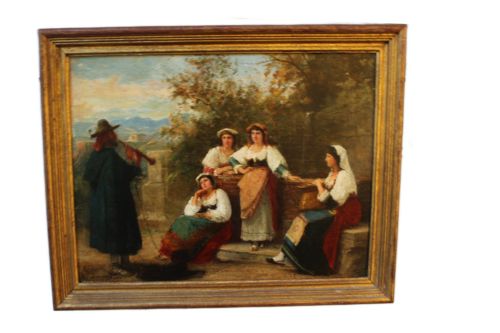
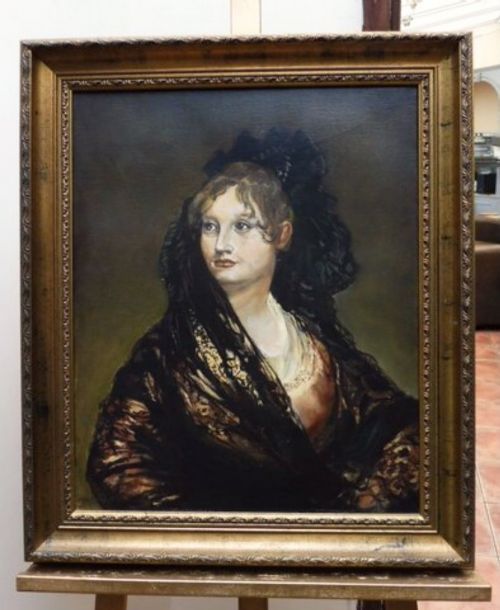
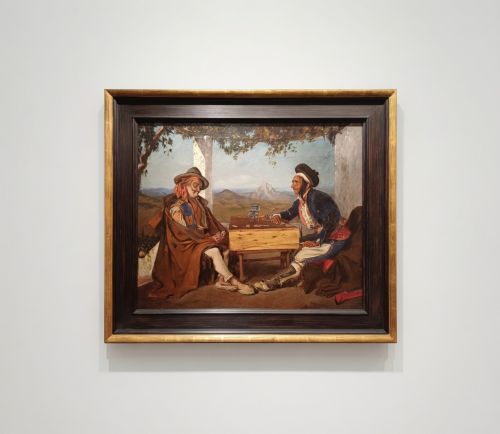
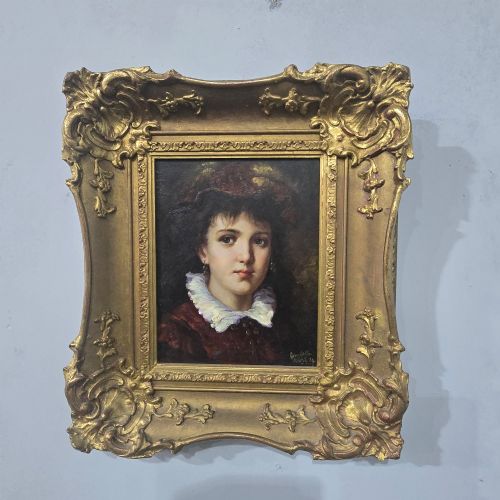
A Spanish art painting encompasses centuries of religious portraiture, domestic scenes and expressive folk works rooted in traditional Iberian workshops. Collectors find these pieces ranging from austere seventeenth-century devotional canvases to nineteenth-century romantic depictions of riders and dancers.
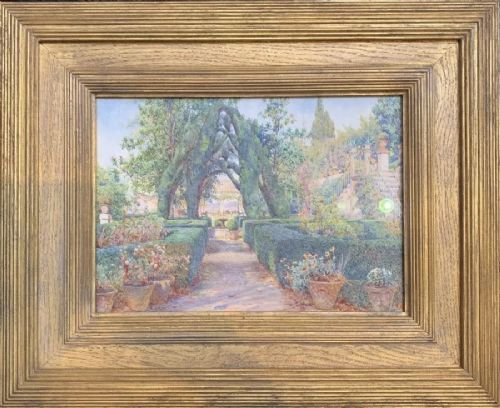
The material record on this page shows works executed in oil on canvas, oil on board, and watercolour, alongside carved polychromed wooden items and home altars. Works span the sixteenth, seventeenth, eighteenth and nineteenth centuries, with later pieces stretching into the twentieth century.
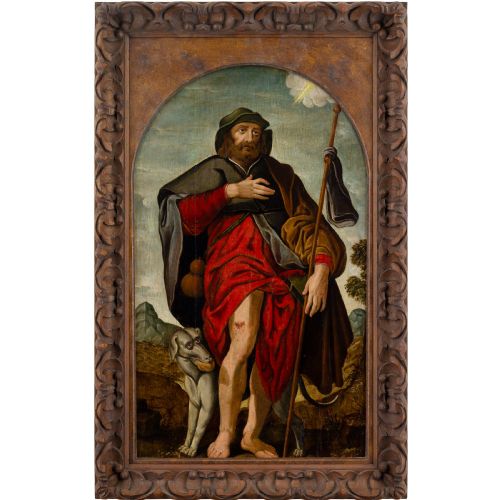
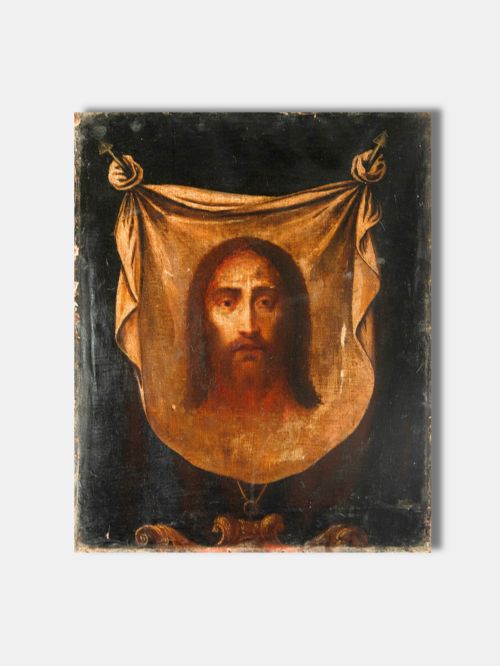
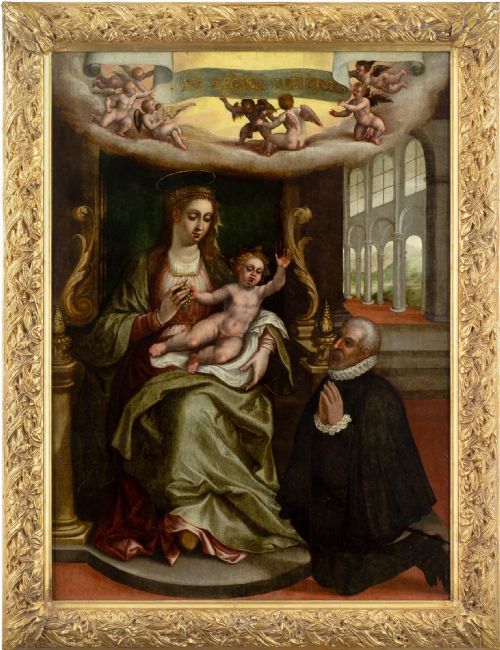
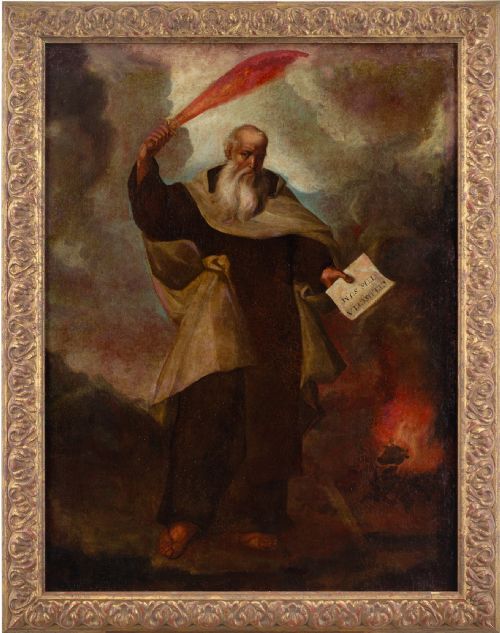
Religious subjects dominate the earlier periods, depicting saints, madonnas and biblical scenes often derived from Spanish Baroque and Renaissance traditions. Secular subjects such as dancers, still-lifes and regional portraits emerge more strongly in the nineteenth and twentieth centuries.
How they were made
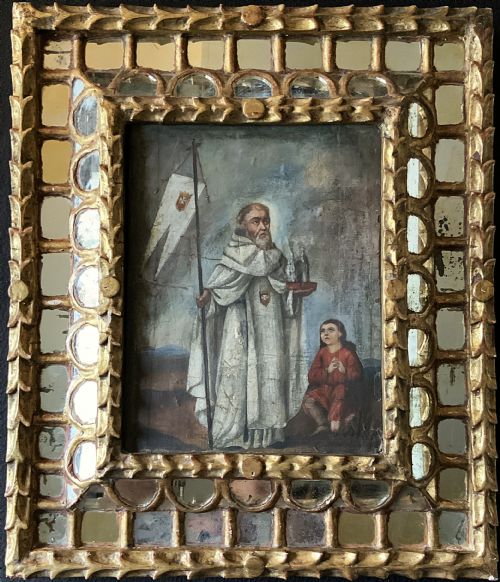
Artists painted primarily using oil on woven canvas or wooden panels, applying layers of pigment that capture deep chiaroscuro and rich tonal variations. Giltwood frames frequently complement these works, utilising carved wood finished with gold leaf.
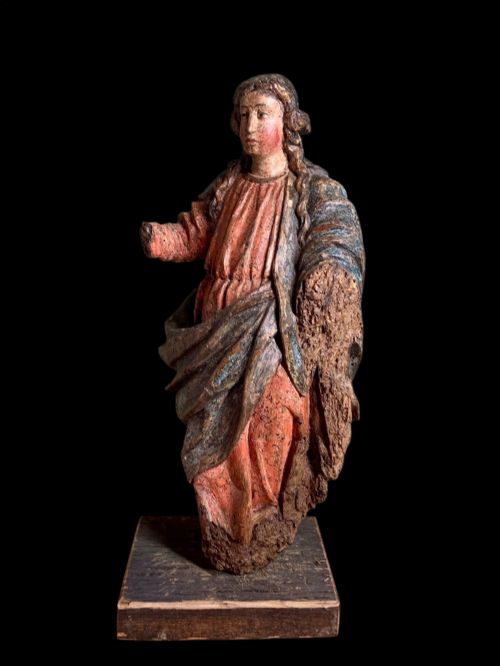
Folk art and devotional pieces employ carved wood combined with polychrome paint layers to create three-dimensional home altars and figures of saints. Watercolour on paper appears in topographical and figurative studies, offering a lighter medium for landscapes and dancers.
Spanish Art Painting Retail Price Guide 2026
Typical asking prices for spanish art painting among the pieces listed under this phrase on Sellingantiques today, from the lower quarter to the upper quarter. They describe what is for sale here now, not the wider market.
A wooden rocking horse sits among the religious icons and stately portraits, proving that Spanish folk art has a playful side.
What varies in quality
The standard of execution in figure drawing and compositional balance marks the difference between workshop output and more accomplished hands. Mastery of light and shadow, particularly in the dramatic manner of the Spanish Baroque, separates ordinary devotional pieces from striking works.
The preservation of the original paint layer and the condition of the canvas or wood support influence the integrity of each piece. Surviving period frames, especially carved and giltwood examples matching the age of the painting, add considerable coherence to the object.
Francisco José de GOYA y Lucientes·Miguel Barroso·Juan Ruiz Soriano·Gaspar de Figueroa·Joaquín Luque y Roselló·Manuel Azpiroz
The Spanish Art Painting Glossary
- Spanish Baroque
- A style of painting characterised by intense religious fervor, realistic detail and strong contrasts between light and dark. It flourished during the seventeenth century.
- Polychrome
- Painted in several colours, frequently applied to carved wooden sculptures and home altars to give lifelike appearance to religious figures.
- Giltwood
- Wood that has been covered with a thin layer of gold leaf or powder, commonly found on decorative frames from the seventeenth and eighteenth centuries.
- Oil on Canvas
- A technique where pigment suspended in drying oil is applied to stretched woven fabric, providing a durable and flexible painting surface.
- Home Altar
- A small portable or domestic shrine used for private prayer, often featuring carved and painted wooden figures or panels.
Spanish Art Painting: Frequently Asked Questions
How do I identify a seventeenth century Spanish painting?
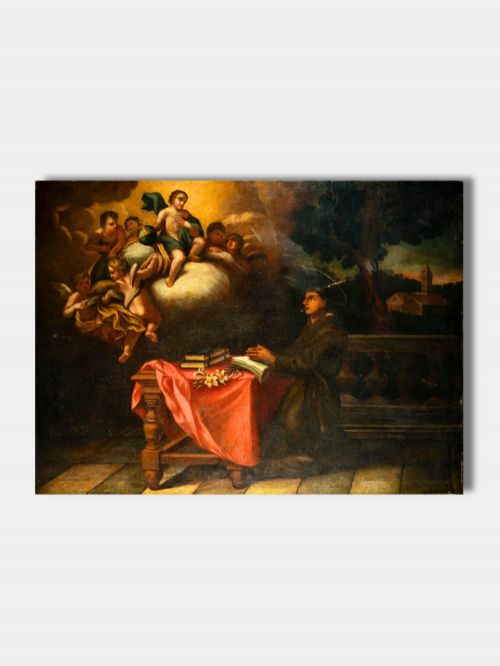
Seventeenth-century Spanish paintings typically feature sombre, devotional subjects rendered in the dark, dramatic palette of the Baroque style. Artists of this era focused heavily on religious figures, saints, and biblical narratives with intense facial expressions.
The physical construction also helps with identification, as these older works generally utilise heavy canvas or aged wooden panels paired with period frames. Craquelure across the paint surface naturally develops over centuries, offering further indication of age.
What is a polychromed home altar?
A polychromed home altar is a small devotional structure made of carved wood and decorated with multiple painted colours. Families used these shrines for private worship within domestic spaces, particularly during the nineteenth and early twentieth centuries.
These pieces often house carved figures of saints or the Virgin Mary. The colourful painted finish distinguishes them from plain wood items and reflects traditional Iberian folk art practices.
How should I care for an antique oil painting?
Antique oil paintings require stable indoor environments away from direct sunlight, excessive heat, and sudden humidity fluctuations. Keeping the canvas or wood panel in a consistent climate prevents the paint layer from cracking or warping over time.
Dusting should be done very gently with a soft, dry brush, avoiding any moisture or chemical cleaning agents. Professional conservators should handle any deeper cleaning or structural repairs to the canvas and frame.
What subjects are common in Spanish art paintings?
Religious subjects dominate the earlier centuries, including depictions of the Virgin Mary, saints, and scenes from the Passion of Christ. These works reflect the deep spiritual traditions of Spanish Baroque and Renaissance art.
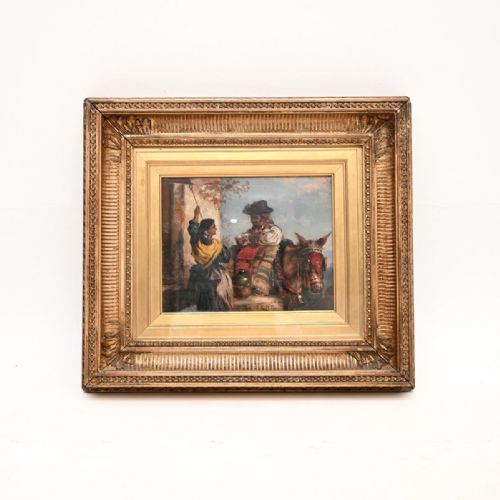
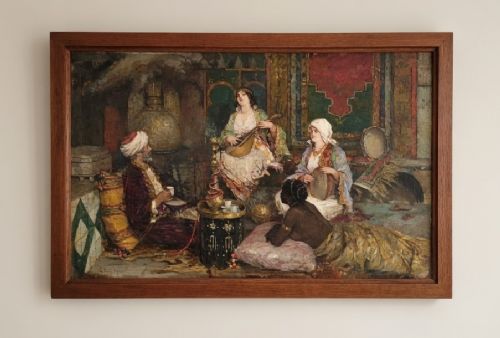
Later nineteenth and twentieth-century works turn toward secular themes such as Andalusian riders, dancers, still-lifes, and regional folk life. Landscapes and architectural views also appear in watercolour and oil mediums from this later period.