

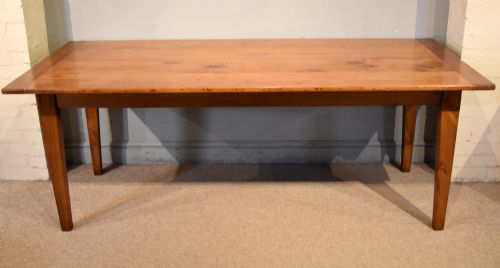
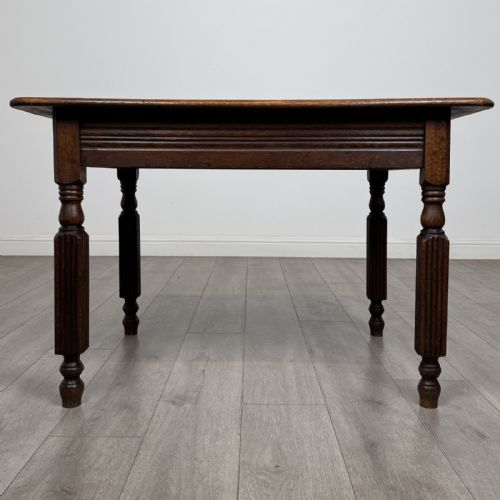
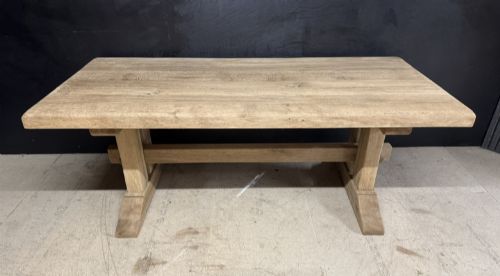
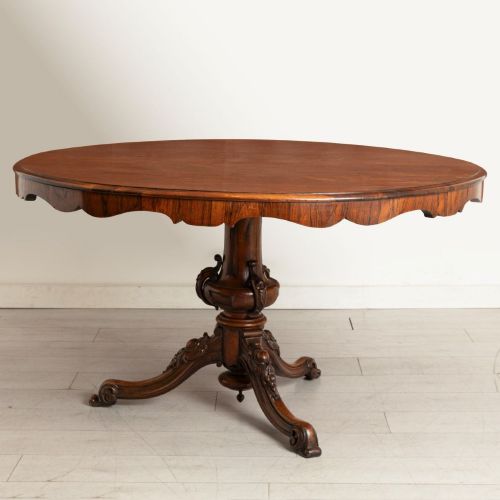
Solid Wood Table
A solid wood table brings honest construction and natural grain into a room, spanning centuries of cabinetmaking traditions.
Solid Wood Table
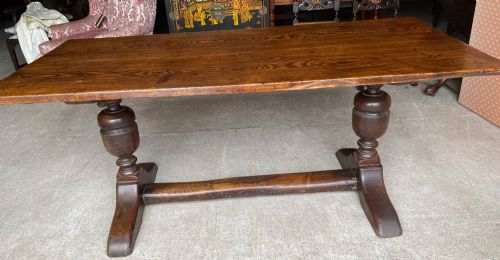
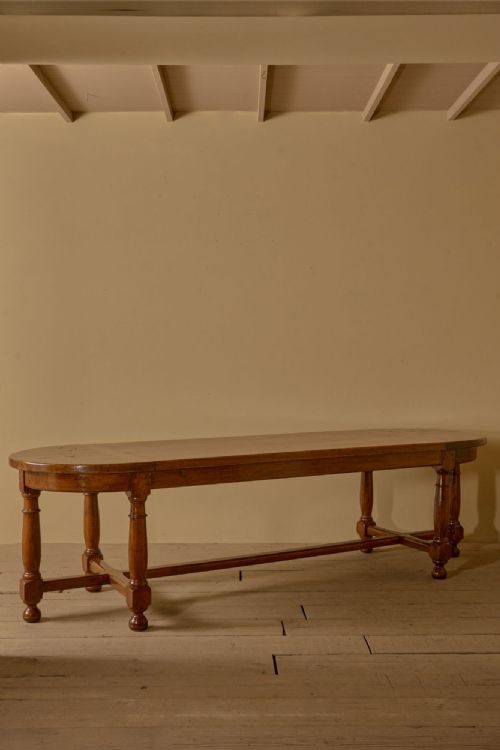
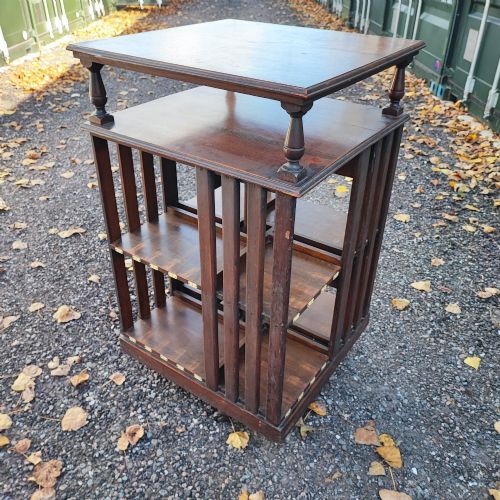
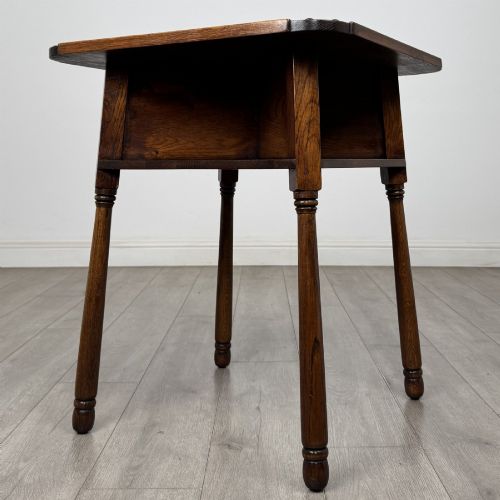
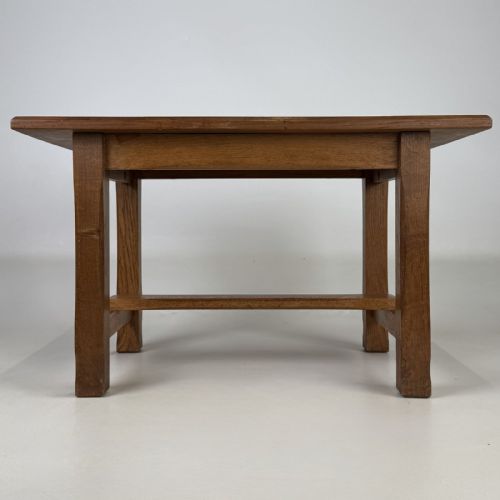
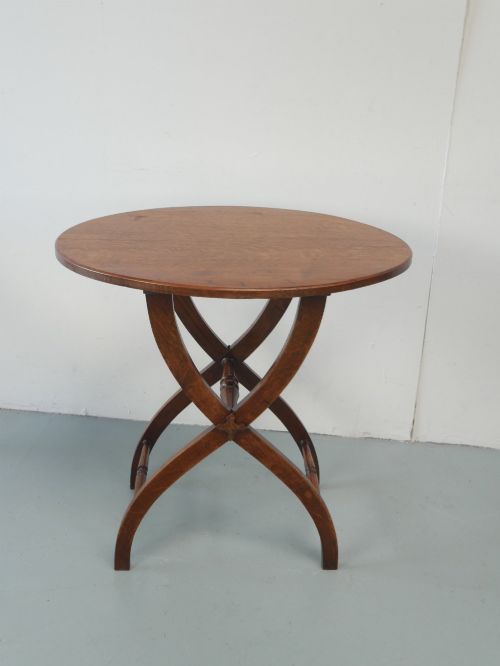
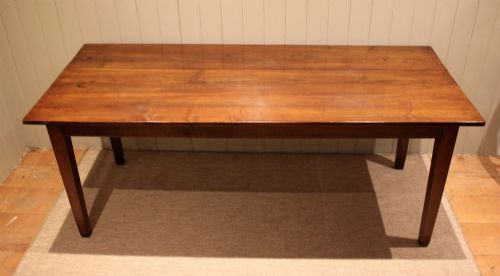
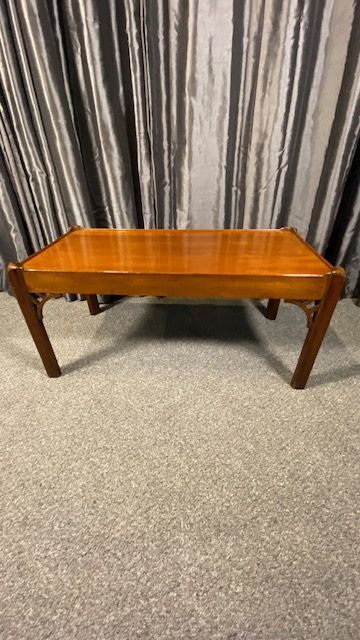
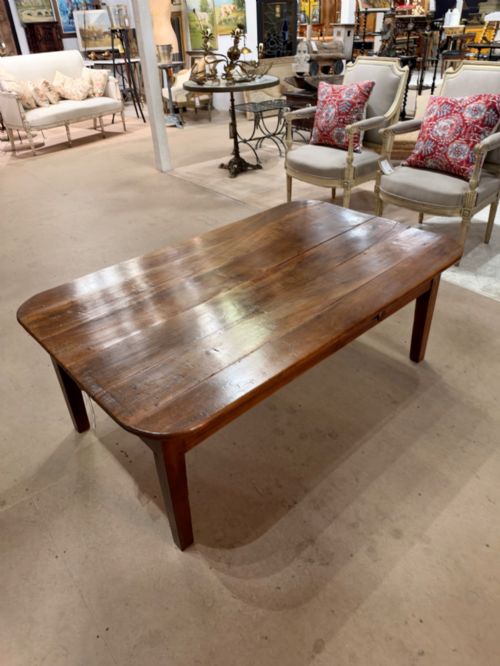
A solid wood table encompasses forms ranging from rustic farmhouse dining boards and heavy refectory tables to compact side tables, writing desks, and coffee tables. These pieces serve daily domestic functions while displaying the natural figure and character of timber.
The selection on this page draws heavily from Edwardian and nineteenth-century examples alongside eighteenth-century and earlier forms. Oak and mahogany appear most frequently, accompanied by rosewood, pine, elm, yew, and walnut.
Buyers encounter diverse regional styles including French provincial, rustic country, Jacobean revival, and arts and crafts. These variations reflect the shifting domestic requirements and aesthetic preferences of different periods.
Materials and construction methods
Cabinetmakers constructed these tables using dense hardwoods such as oak, mahogany, walnut, and rosewood, alongside softer timbers like pine and elm. Planks were selected for durability and stability, often joined with traditional framing techniques to accommodate natural wood movement over time.
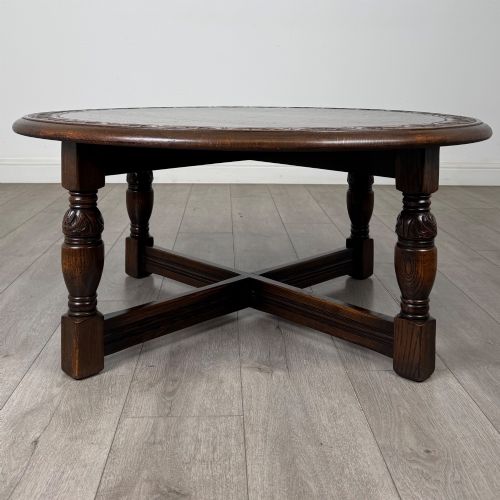
Support structures involve turned legs, carved pedestals, and stretcher bases designed to bear heavy loads. Surface finishes developed through centuries of friction, wax application, and oxidation, preserving the structural integrity of the timber.
Solid Wood Table Retail Price Guide 2026
Typical asking prices for solid wood table among the pieces listed under this phrase on Sellingantiques today, from the lower quarter to the upper quarter. They describe what is for sale here now, not the wider market.
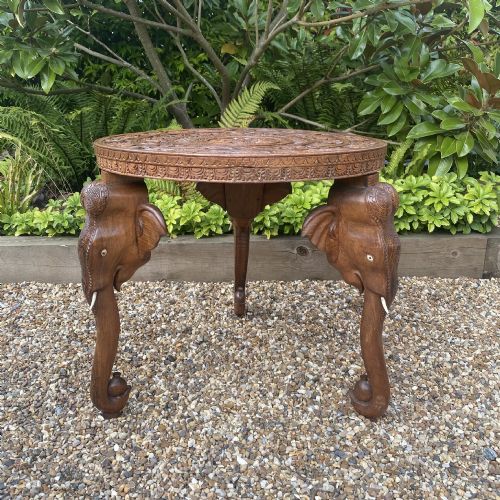
Elephants served as occasional table supports during the Raj period, proving that Victorian tastes embraced the eccentric.
Distinctions in quality and execution
The quality of a table rests on the selection of the timber and the integrity of its joinery. Superior examples demonstrate thoughtful grain matching, substantial plank thickness, and stable structural joints that remain tight after decades of use.
Execution of carved details, turning on legs, and original surface patination distinguish finer examples from standard utility pieces. Proportion and balance between the top and the base define the visual success of the design.
The Solid Wood Table Glossary
- Refectory table
- A long, narrow dining table traditionally used in monasteries and large halls. These heavy pieces typically feature sturdy stretcher bases and thick timber tops.
- Pembroke table
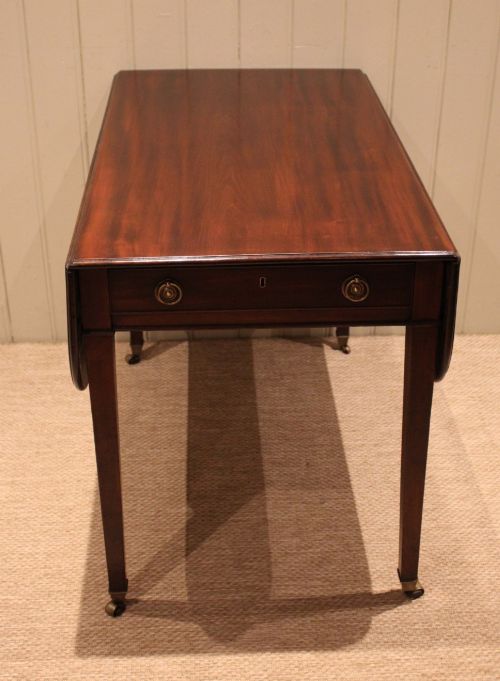
- A small occasional table with hinged drop leaves on either side. Many examples include a single drawer and delicate turned legs.
- Joint stool
- A low wooden stool constructed with mortise and tenon joints held together by wooden pegs. They often double as small side tables in traditional settings.
- Padauk
- A dense tropical hardwood known for its deep reddish-brown colour and durability. It frequently appears in nineteenth-century colonial furniture.
- Patina
- The surface sheen and colour developed through age, handling, and wax polishing. This quality indicates the authentic history of the wood.
Solid Wood Table: Frequently Asked Questions
How do I clean a solid wood table?
Dust the surface regularly with a soft, dry cloth to remove grit that might scratch the finish. Avoid silicone-based sprays and excess water, using a damp cloth only when necessary.
Apply a quality beeswax polish occasionally to nourish the timber and maintain the protective sheen. Keep the table away from direct heat sources and strong sunlight to prevent timber splitting.
Can I use a farmhouse table daily?
These tables were built for heavy everyday use and handle family meals and daily tasks with ease. The robust construction of oak and pine makes them resilient to normal household activity.
Use heat mats and coasters to protect the historic surface from water rings and thermal shock. Minor marks often blend into the existing character of antique timber over time.
How do I identify the wood type?
Examine the grain pattern, colour, and weight of the timber visible on the top and underside. Oak displays characteristic medullary rays, while mahogany shows a reddish-brown tone with a fine, interlocking grain.
Pine and fruitwoods tend to be lighter in weight and feature softer grain structures. Consulting a dealer or examining unpolished areas helps confirm the exact species.
What makes a refectory table stable?
Refectory tables achieve stability through heavy timber framing and low stretchers connecting the legs. The sheer weight of the thick top keeps the structure firmly planted on the floor.
Traditional joinery methods lock the components together without relying on modern metal brackets. This interconnected framework distributes weight evenly across the base.