


Solid Wood Seat
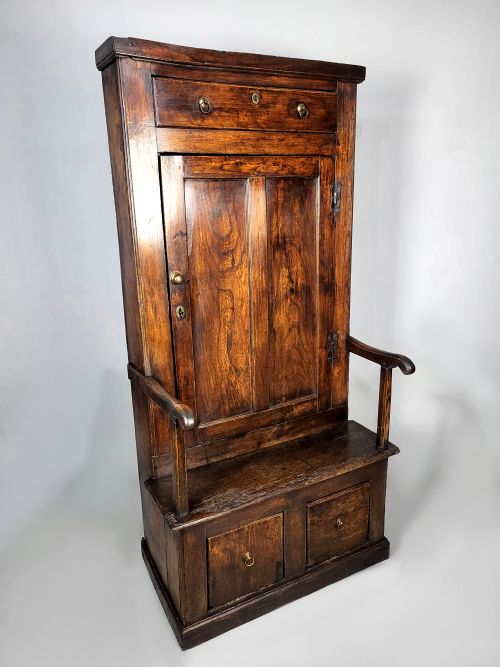
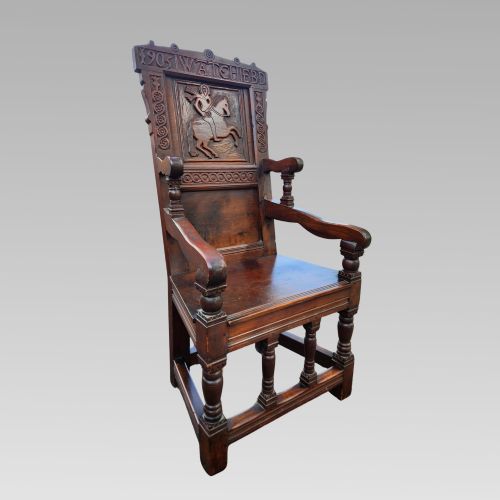
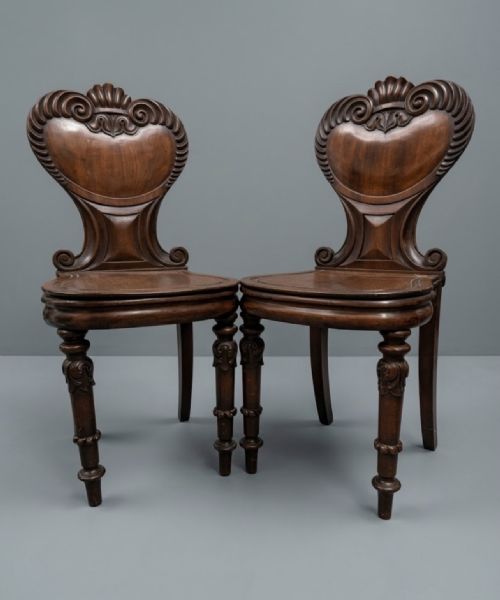
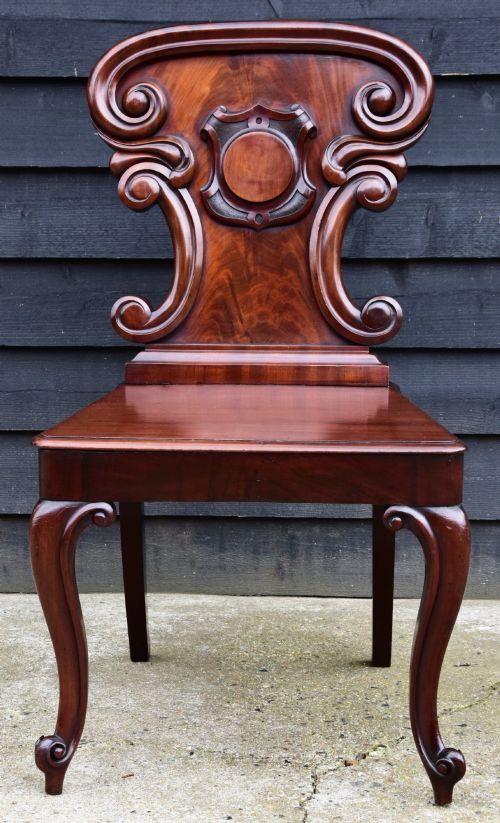
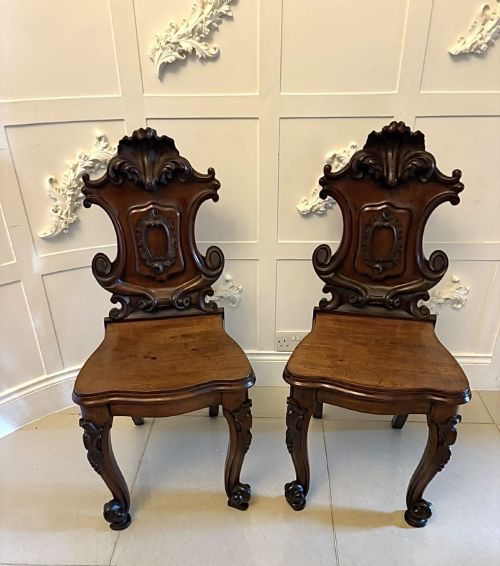
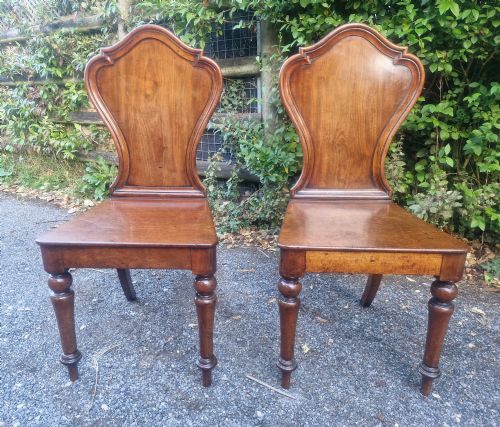
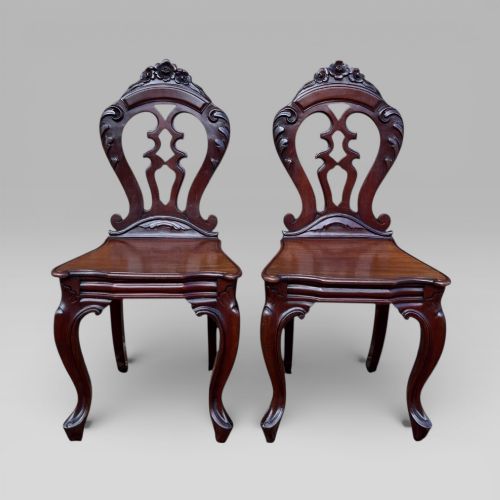
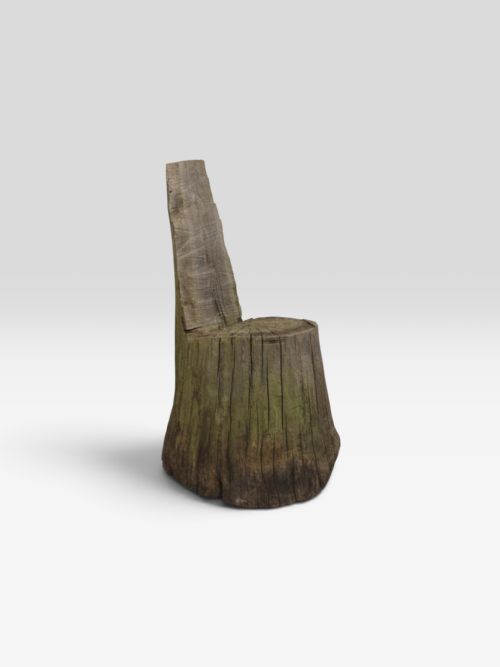
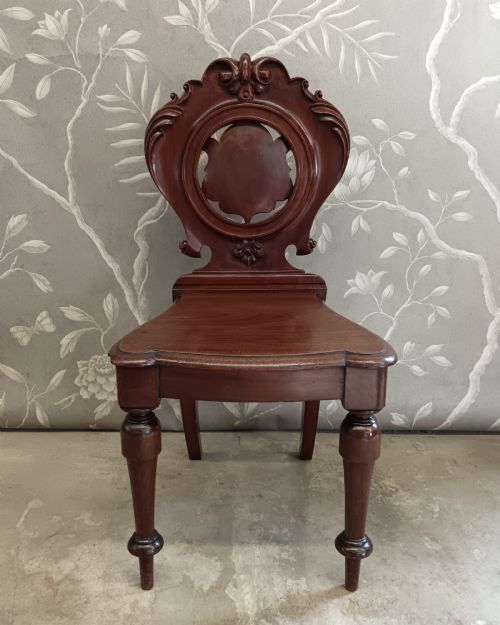
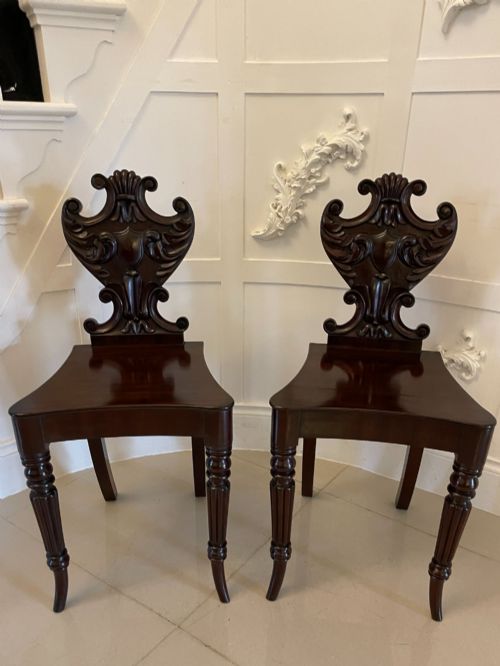
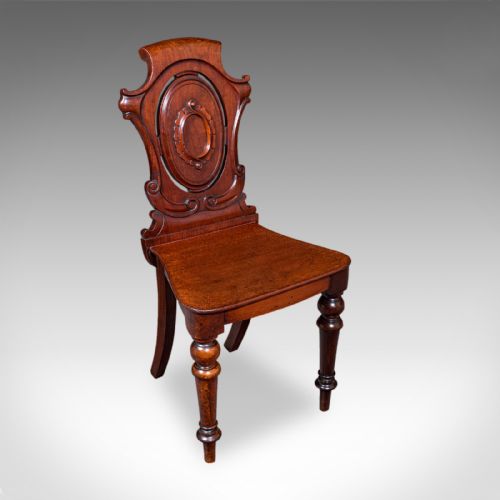
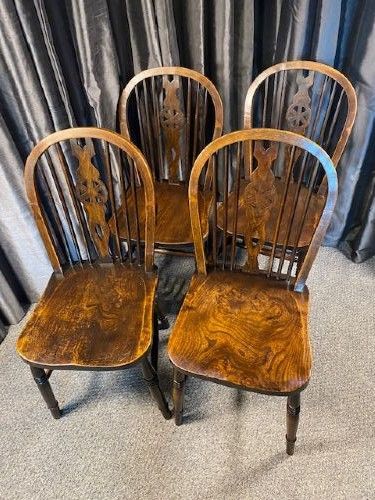
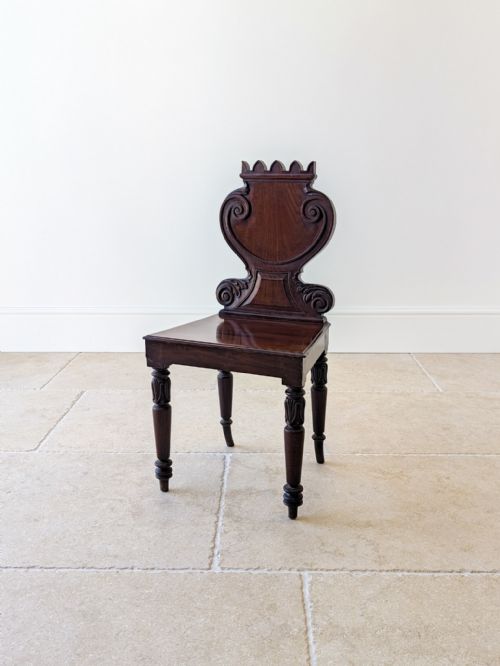
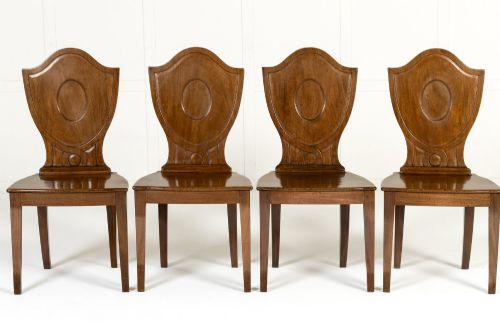
These solid wood seat examples encompass utilitarian benches, robust country chairs and formal hall seating forged across multiple centuries.
Solid Wood Seat
A solid wood seat brings together heavy timber seating designed for specific domestic and civic duties. When searching for solid wood seat listings, buyers encounter functional forms ranging from simple joint stools and farmhouse benches to elaborately carved mahogany hall chairs. These items originate predominantly from the eighteenth and nineteenth centuries, spanning Georgian, Victorian and Edwardian periods.
How they were made
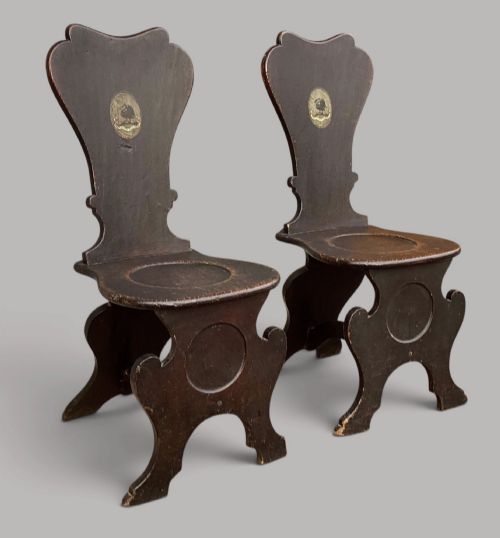
Cabinetmakers and rural joiners utilised a heavy selection of domestic and exotic hardwoods, predominantly mahogany, oak, elm and ash, supplemented by fruitwood and walnut. Timbers were chosen for density and structural resilience, allowing seats to be carved directly into solid planks or joined using traditional mortise and tenon methods. Surfaces often display natural grain patterns or painted armorial details rather than complex upholstery.
Construction techniques vary according to the intended environment of the furniture, uniting urban formal pieces with rural utility. Joinery relies on pegged frames for joint stools and benches, while grander reception seating employs sculptural carving on shield backs and pelta forms. Turnery and steam bending shape the spindles and bows of country kitchen and Windsor seating.
Solid Wood Seat Retail Price Guide 2026
Typical asking prices for solid wood seat among the pieces listed under this phrase on Sellingantiques today, from the lower quarter to the upper quarter. They describe what is for sale here now, not the wider market.
Elephant arm chairs carved during the Art Deco period share space with humble farmhouse benches and austere seventeenth-century wainscot seats.
What varies in quality
The calibre of a solid wood seat rests primarily on the selection of timber and the ambition of the carving. Superior examples exhibit tightly figured mahogany, rich grain in oak and elm, and crisp, deep relief work on shield backs or solid seats. Lesser items rely on plain, utility-grade boards with minimal shaping and simple turned supports.
Structural integrity and historical cohesion dictate the upper tier of the range. Master workshops integrated robust joinery that survives centuries of heavy use without excessive replacement timber or compromised joints. The finest pieces maintain their original surface patination, free from heavy modern intervention or stripped finishes.
Strahan And Co
The Solid Wood Seat Glossary
- Sgabello
- A light, three-legged or trestle-backed wooden chair originating in the Italian Renaissance and adapted in later revival periods. These decorative seats often feature carved panel backs and were designed for narrow hallways.
- Shield back
- A chair back shaped like a heraldic shield, popularised during the Georgian and Regency eras. This design allows the solid timber to display prominent grain and carved ornamentation.
- Joint stool
- A low wooden stool constructed with mortise and tenon joints rather than turned legs. These sturdy pieces date back to the seventeenth century and served various utilitarian household functions.
- Wainscot armchair
- An early heavy wooden armchair constructed mainly from oak with panelled backs and solid seats. They originate from the seventeenth century and reflect high-status domestic joinery.
- Pelta back
- A chair back shaped in the form of a classical pelta shield or crescent. This distinct outline appears on nineteenth-century hall seating.
Solid Wood Seat: Frequently Asked Questions
What is a solid wood seat?
A solid wood seat refers to heavy timber seating such as hall chairs, benches, and stools built without upholstered pads. These items rely entirely on carved or shaped wood for the sitting surface.
Such pieces range from utilitarian farmhouse forms to formal nineteenth-century reception seating designed for display in grand entrance halls.
How do I care for solid wood furniture?
Solid timber pieces require stable indoor humidity and protection from direct sunlight to prevent timber movement or splitting. Regular dusting with a dry cloth helps preserve the historic surface patination.
Application of appropriate wax polish maintains the lustre of dense hardwoods like mahogany and oak without building up heavy chemical residues.
How do I tell Georgian chairs apart?
Georgian seating displays architectural proportions, carved mahogany or oak frames, and classical motifs reflecting eighteenth-century design movements. Pieces from this era often feature distinct back shapes like shields or interlaced splats.
Later Victorian and Edwardian interpretations tend to incorporate heavier proportions, revival styling, or more robust country craftsmanship using elm and ash.