



Solid Wood Pedestal Table
A solid wood pedestal table brings centered stability and rich timber grain to a room, offering both formal dining and quiet corner utility.
Solid Wood Pedestal Table
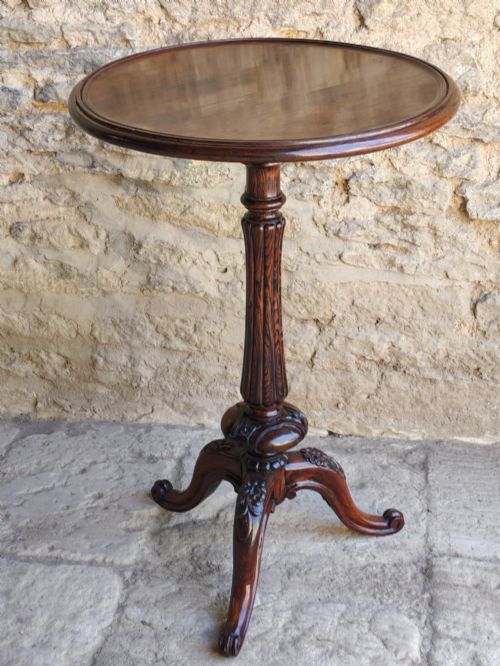
When you search for a solid wood pedestal table, you encounter a versatile grouping of freestanding tables supported by a central pillar rather than four corner legs. These pieces range widely across historical periods from the Georgian and Regency eras through the Victorian age into the twentieth century, reflecting varied regional cabinet-making traditions.
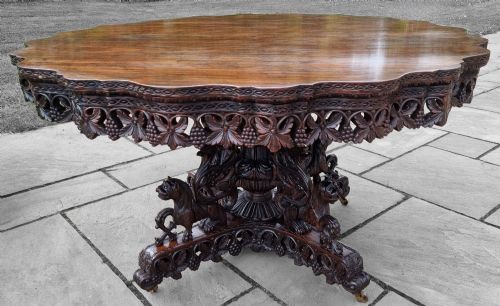
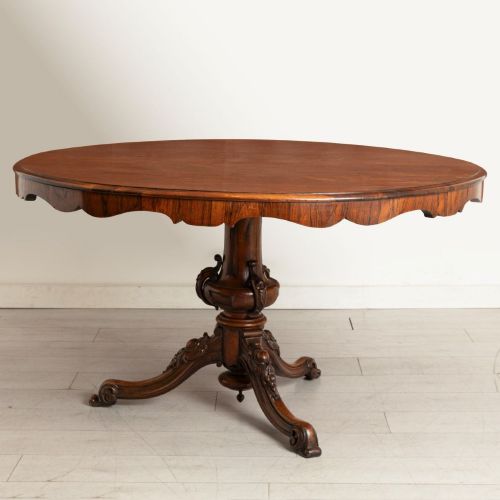
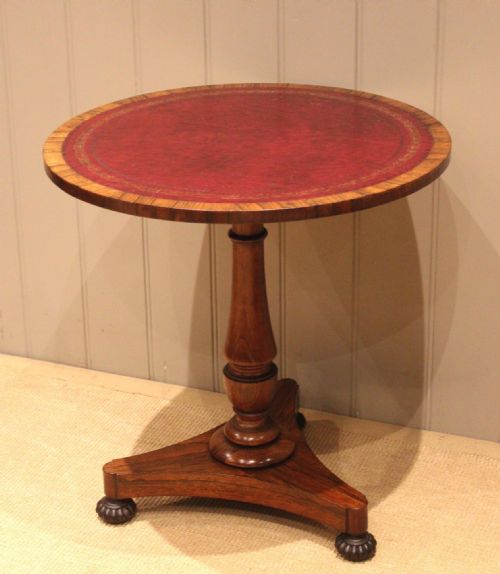
The most common formats on this page include tilt-top dining tables, circular breakfast tables, and compact occasional or side tables designed for domestic utility. Materials span rich tropical hardwoods like rosewood and padauk alongside traditional European timbers such as mahogany, walnut, burr elm, and ash.
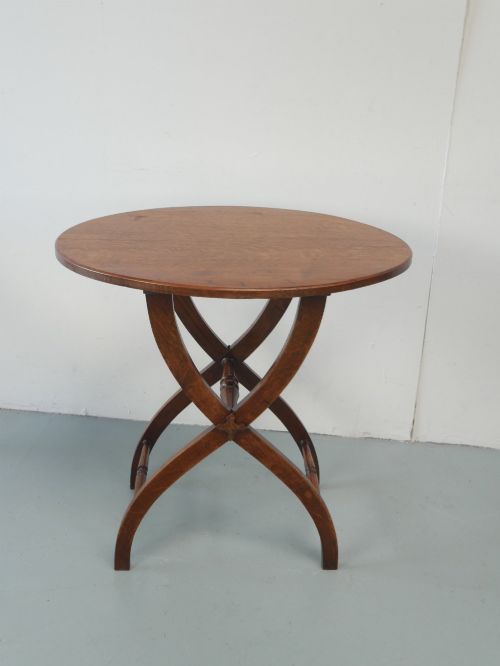
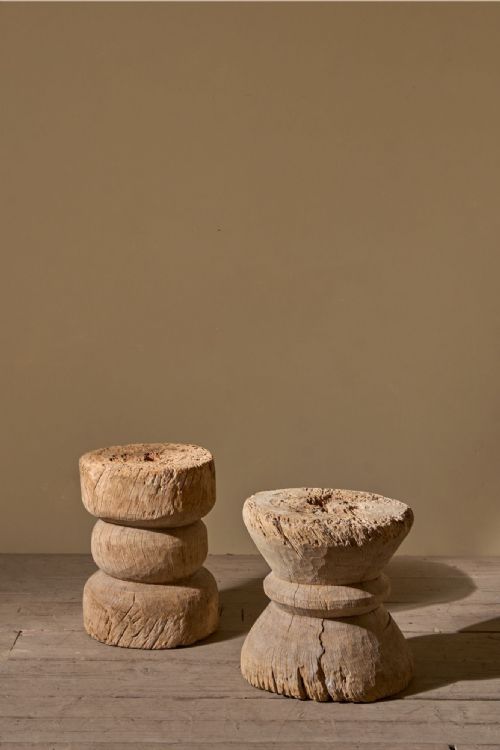
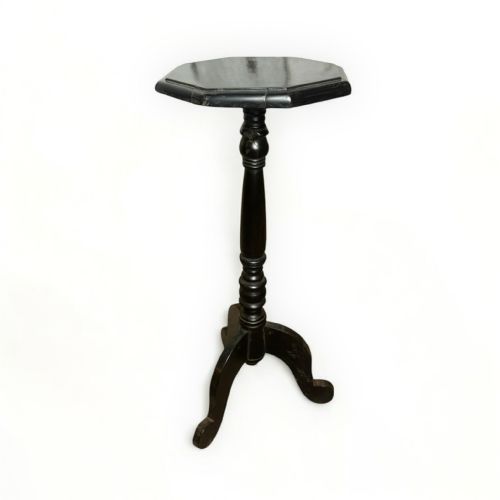
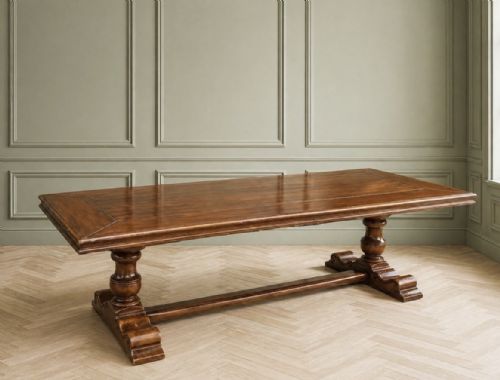
Forms vary from grand dining surfaces intended for central placement in a room to smaller tea tables with folding tops and rustic folk art or tribal creations. Each example relies on a substantial central column, frequently mounted on tripod or platform feet, to distribute weight and maximise floor clearance.
How they were made
Cabinet-makers constructed these tables using dense tropical and domestic timbers such as solid mahogany, rosewood, padauk, and burr elm, selected for their structural rigidity and striking grain patterns. Timbers were joined using traditional woodworking joints to accommodate the natural movement of solid wood over time.
Supports often incorporated turned and carved central pillars, frequently sitting upon tripod bases with brass casters or platform feet for stability. Surfaces were finished to highlight the natural figure of the wood, sometimes incorporating folding mechanisms for tea tables or tilt-top actions for dining surfaces.
Solid Wood Pedestal Table Retail Price Guide 2026
Typical asking prices for solid wood pedestal table among the pieces listed under this phrase on Sellingantiques today, from the lower quarter to the upper quarter. They describe what is for sale here now, not the wider market.
Listings feature 19th-century, Regency, and Victorian pieces alongside 1930 examples, constructed from materials including brass, rosewood, mahogany, leather, padauk, and burr elm.
What varies in quality
The distinction between tiers of quality rests upon the selection of timber and the depth of hand-carving on the central column and base. Dense, highly figured timbers like rosewood and burr elm demand greater skill to shape than standard domestic woods.
Structural integrity in the pillar and base assembly determines how well a table bears weight and resists wobble over generations of use. Refined turning and well-executed joinery separate standard utilitarian items from ambitious cabinet-maker commissions.
The Solid Wood Pedestal Table Glossary
- Tilt-top table
- A table with a hinged top that rotates to a vertical position when not in use, allowing it to be stored flat against a wall.
- Tripod base
- A central pillar supported by three spreading feet, providing stable floor contact on uneven surfaces.
- Padauk
- A heavy, durable tropical hardwood displaying vibrant reddish-brown tones, utilised in fine nineteenth-century cabinet work.
- Burr elm
- A timber harvested from tree growths that produces intricate, swirling grain patterns highly valued for decorative table tops.
- Refectory table
- A long, narrow dining table traditionally built for communal dining and adapted into sturdy farmhouse kitchen formats.
Solid Wood Pedestal Table: Frequently Asked Questions
Where should I place a pedestal table?
A pedestal table works well as a freestanding centre table in a hallway or drawing room where people walk around all sides. The absence of corner legs allows chairs to tuck in neatly underneath.
Larger round breakfast tables suit casual dining spaces, while smaller occasional and side tables fit beside seating in living rooms.
How do tilt-top mechanisms work?
The table top fixes to a pivoting block or catch mechanism mounted on top of the central pillar, allowing the surface to flip from horizontal to vertical. This design enabled historical households to clear floor space quickly when dining concluded.
When returning the top to the flat position, a brass or wooden latch secures the surface firmly to the pillar base.
What woods were commonly used?
Makers utilised dense timbers like mahogany and rosewood for strength and rich colour, alongside decorative options like burr elm for striking grain patterns. Regional and later pieces also feature walnut, ash, and general solid timber.
Exotic woods such as padauk and ebony appear in specific imported or high-status nineteenth-century commissions.
How do I care for solid wood surfaces?
Keep solid wood tables away from direct heat sources and strong sunlight to prevent the timber from drying out or splitting. Dust regularly with a dry cloth and occasionally apply appropriate natural wax to maintain the finish.
Avoid placing damp items directly onto antique timber surfaces to protect the polished grain.