

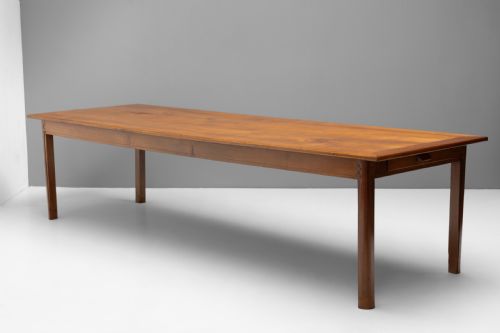


Solid Wood Kitchen Table
A solid wood kitchen table grounds the room with genuine weight and character, drawing people together for daily meals and long conversations.
Solid Wood Kitchen Table
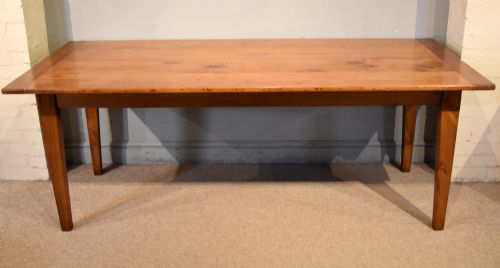
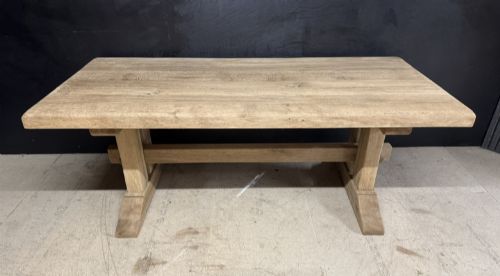
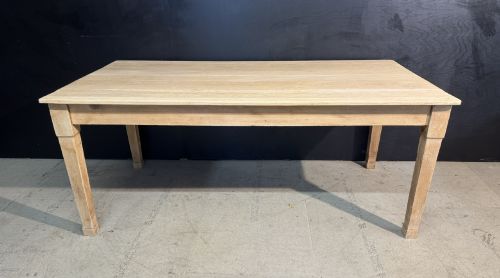
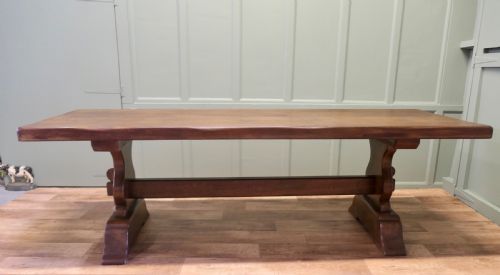
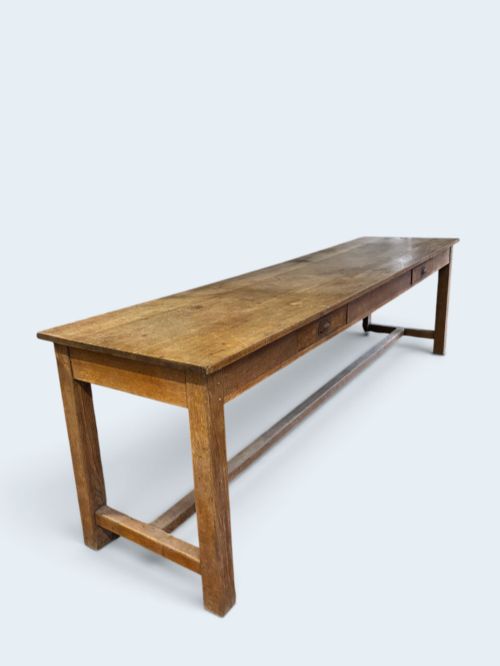
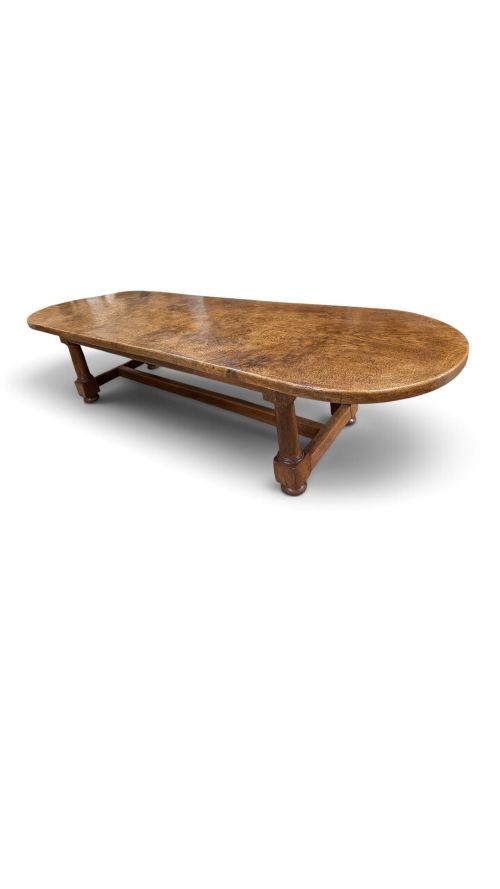
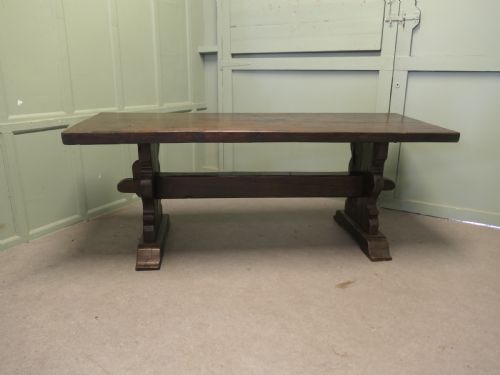
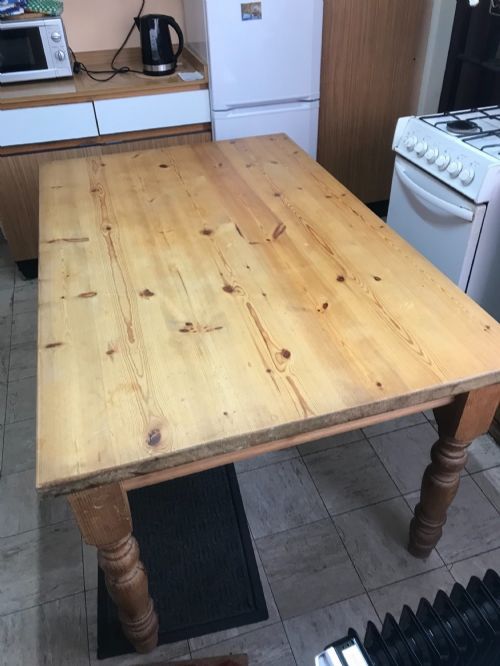
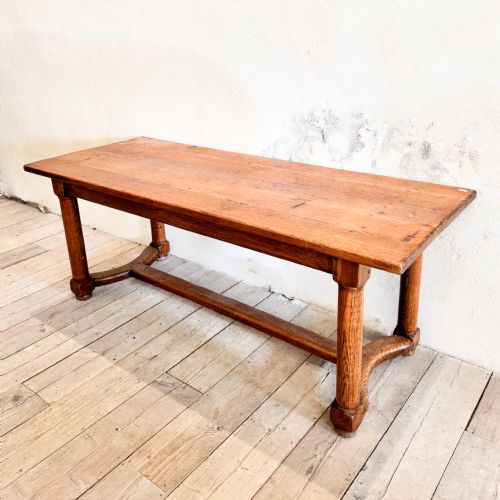
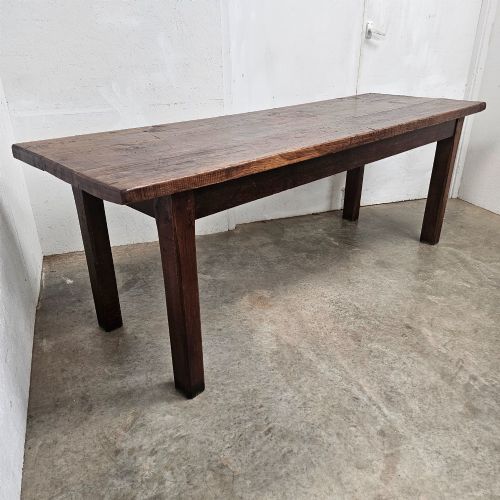
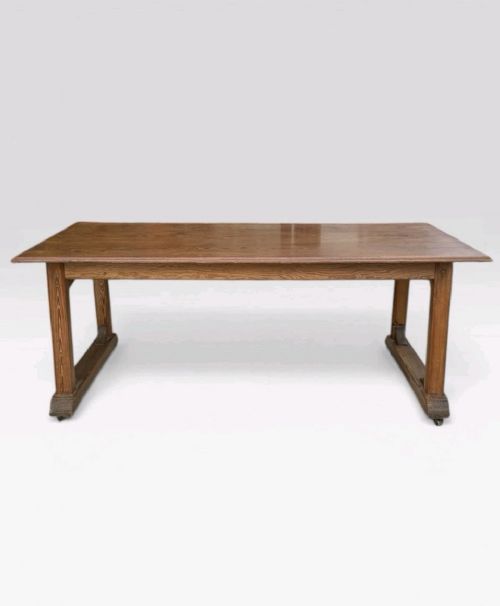
A solid wood kitchen table brings together sturdy timber construction and practical utility, serving as the central hub of domestic life across generations. When searching for a solid wood kitchen table, buyers encounter diverse forms ranging from expansive refectory boards to versatile gateleg tables and rustic farm benches.
The selections span centuries of craftsmanship, featuring examples from the eighteenth, nineteenth, and early twentieth centuries. Common regional styles include French provincial, English country house, and rustic farmhouse aesthetics, often built to accommodate gatherings of family and friends.
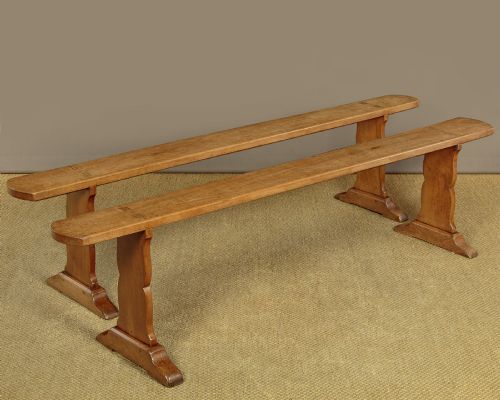
Dining sets, serving tables, and benches frequently accompany these tables, providing matching seating solutions. Timbers such as oak, pine, cherry, and walnut dominate the selection, each bringing distinctive grain patterns and patinas to the interior.
Materials and construction methods
Cabinet makers and local joiners utilised durable hardwoods and softwoods, selecting oak, cherry, walnut, and pine for their structural integrity and resilience against daily wear. Planks were often joined with traditional methods, including pegged mortise and tenon joints, ensuring the framework remained rigid under heavy loads.
Surface treatments ranged from natural wax finishes that highlighted the timber grain to bleached oak processes that lightened the visual weight of the wood. Iron fixings and hardware occasionally reinforced structural joints, while hand-carved details appeared on select revival and continental pieces.
Solid Wood Kitchen Table Retail Price Guide 2026
Typical asking prices for solid wood kitchen table among the pieces listed under this phrase on Sellingantiques today, from the lower quarter to the upper quarter. They describe what is for sale here now, not the wider market.
Keep an eye out for the occasional carved green man peering out from beneath the dining surface.
Assessing quality in antique tables
The integrity of the timber forms the primary distinction between standard examples and superior pieces, particularly when examining single-plank tabletops or wide boards that demonstrate exceptional tree growth. Superior construction involves careful timber selection that minimises warping while allowing natural movement over decades of fluctuating humidity.
Proportion and undercarriage design heavily influence the character of each piece, distinguishing utilitarian workshop items from refined dining furniture. Original patination accumulated through generations of use separates untouched surfaces from over-restored examples, preserving the tactile history of the wood.
The Solid Wood Kitchen Table Glossary
- Refectory table
- A long, narrow dining table traditionally used in monasteries and large halls, characterised by substantial legs connected by a central stretcher.
- Gateleg table
- A drop-leaf table with hinged flaps supported by swing-out legs that resemble a gate opening.
- Barley twist
- A decorative turning technique resembling a twisted rope, commonly found on table legs and stretchers during the seventeenth and early twentieth centuries.
- Patina
- The glossy sheen and mellow colour developed on the surface of wood over years of handling, polishing, and exposure to light.
Solid Wood Kitchen Table: Frequently Asked Questions
How do I clean a antique wooden table?
Wipe surfaces gently using a soft, dry cloth to remove dust and everyday debris without damaging the historic finish.
Apply a quality beeswax periodically to nourish the timber and maintain its natural lustre while avoiding modern silicone sprays.
Can I use daily in a busy kitchen?
These tables were built for heavy domestic use and readily handle daily family meals, food preparation, and gatherings.
Use coasters and placemats to protect the historic timber surface from excessive moisture and heat marks during meals.
How do I identify the wood type?
Examine the grain patterns, colour variations, and weight characteristics visible across the tabletop and structural underframe.
Oak typically displays prominent medullary rays, while cherry and walnut offer smoother, warmer tones with distinct natural figuring.
What is a refectory table?
A long, narrow dining table designed for communal dining spaces, featuring sturdy legs braced by low stretchers for stability.
This form provides ample legroom and a commanding presence suitable for large dining rooms and spacious country kitchens.