

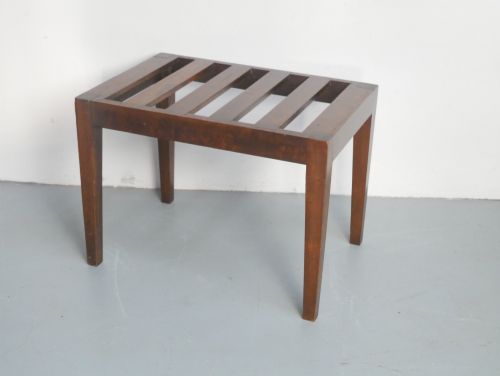
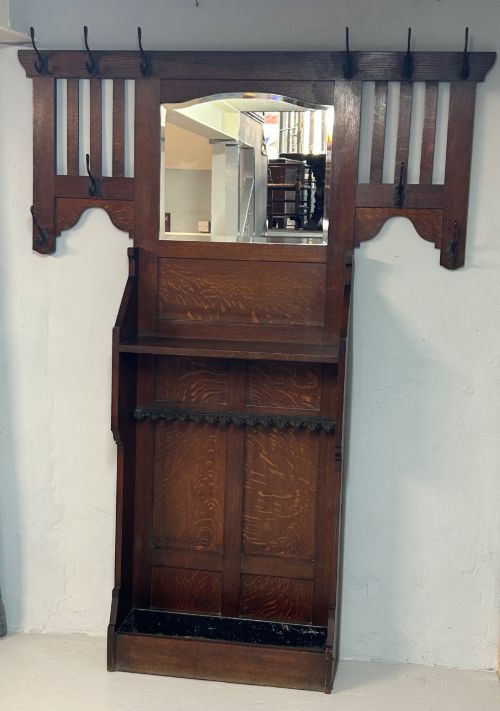
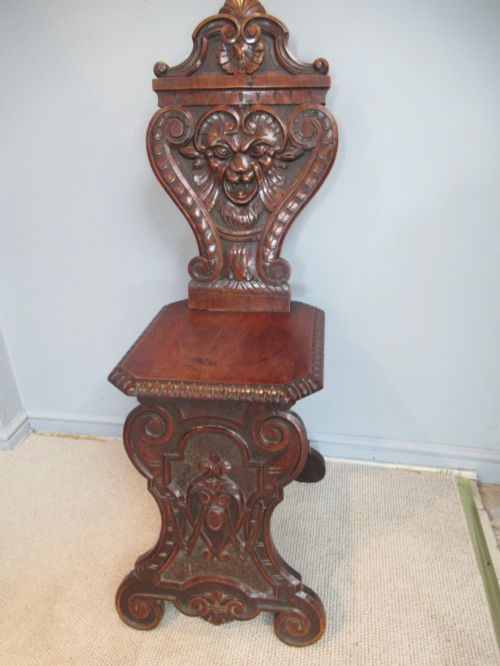


Solid Wood Benches
Solid wood benches are sturdy seating forms shaped from durable timbers that anchor hallways and rooms with practical weight.
Solid Wood Benches
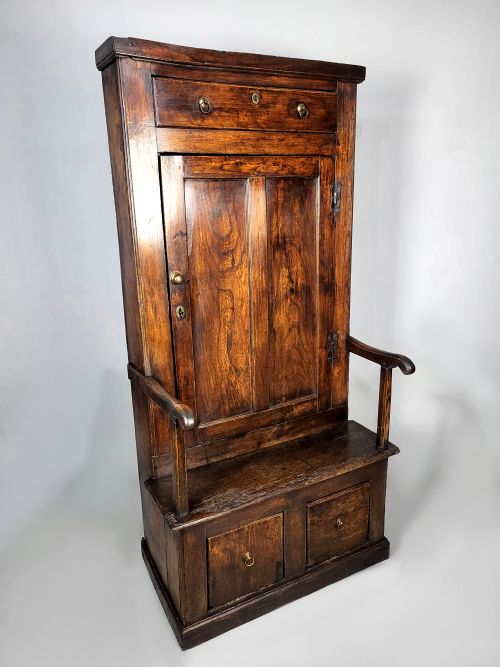
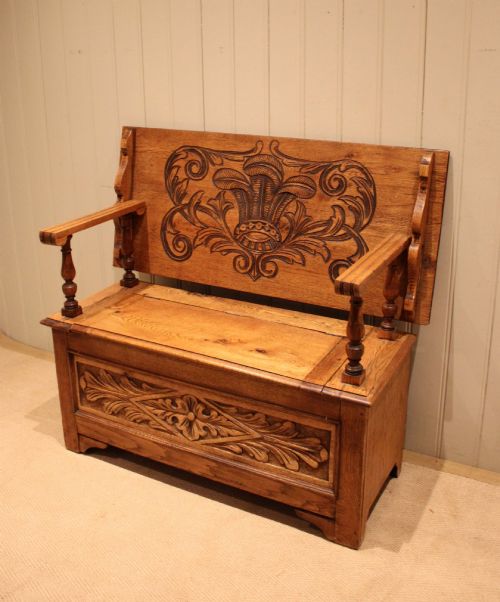
Solid wood benches encompass substantial seating forms and related dual-purpose items found across the nineteenth and early twentieth centuries. When searching for solid wood benches, buyers encounter diverse expressions including rustic farmhouse items, carved oak settle seats, and French cherrywood pieces.
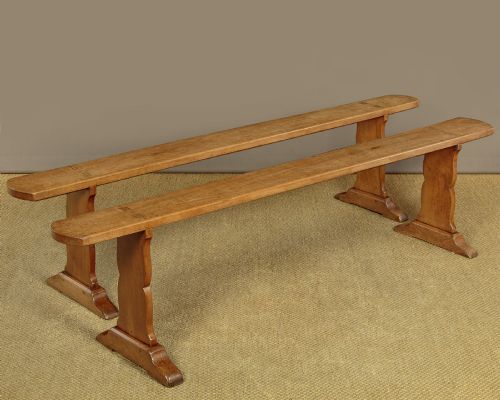
The selection ranges from tall panelled high back settle seats to low window seats and paired country forms. Origin periods span the Victorian and Edwardian eras alongside the early twentieth century, reflecting varied domestic and provincial uses.
Materials and construction
Makers utilised heavy timbers such as oak, mahogany, walnut, teak, cherrywood, ash, and yewtree to build these pieces. Construction frequently relies on solid wood planks joined with traditional framing and panel methods.
Many examples incorporate hand-carved ornamentation, such as green man motifs or geometric panels, whilst others display the natural grain of the hardwood without extensive embellishment.
Solid Wood Benches Retail Price Guide 2026
Typical asking prices for solid wood benches among the pieces listed under this phrase on Sellingantiques today, from the lower quarter to the upper quarter. They describe what is for sale here now, not the wider market.
Judging quality and character
Quality rests in the selection of the timber and the integrity of the joinery rather than surface decoration alone. Dense grain patterns in oak, walnut, and mahogany distinguish superior examples from simpler utilitarian items.
Proportion and structural balance separate standard workshop output from finer country-made or revival pieces. The presence of integrated carving and well-figured timber elevates the standing of individual items within the range.
The Solid Wood Benches Glossary
- Settle seat
- A high-backed wooden bench, often featuring solid panelled construction designed to shield occupants from draughts in older interiors.
- Hall bench
- A narrow seating form traditionally placed in entrance halls and passage spaces, sometimes incorporating storage compartments beneath the lid.
- Hardwood
- Timber derived from broad-leaved trees such as oak, mahogany, walnut, and ash, known for density and durability in furniture making.
- Jacobean Revival
- A nineteenth-century style imitating seventeenth-century English design characteristics, typically featuring heavy proportions, turned legs, and carved panels.
Solid Wood Benches: Frequently Asked Questions
Where should I place a solid wood bench?
These pieces suit entrance halls, boot rooms, and living spaces where their sturdy construction handles daily use. Their substantial presence anchors open areas effectively.
Positioning them against plain walls allows carved panels and figured timber grains to draw the eye without cluttering the room.
How do I care for solid wood furniture?
Maintain the timber by dusting regularly with a soft cloth and applying appropriate wax polish periodically to nourish the surface. Keep pieces away from direct heat sources to prevent timber splitting.
Avoiding excessive moisture protects the historic polish and natural grain from permanent water marking.
Are these benches comfortable for sitting?
Many historical designs prioritise rigid structure and upright posture over deep cushioning. Adding loose squab cushions provides extra comfort for prolonged seating.
The supportive backs on settle seats and high-backed variants offer firm support when placed in hallways or dining settings.
How can I tell the period of a wooden bench?
Examine the tool marks, timber selection, and joint construction for clues regarding age and workshop origin. Victorian and Edwardian examples often display characteristic revival motifs or machine-assisted joinery alongside hand finishing.
Matching the stylistic details, such as Jacobean Revival carving or Art Nouveau shaping, helps confirm the likely era of manufacture.