


Solid Oak Rack
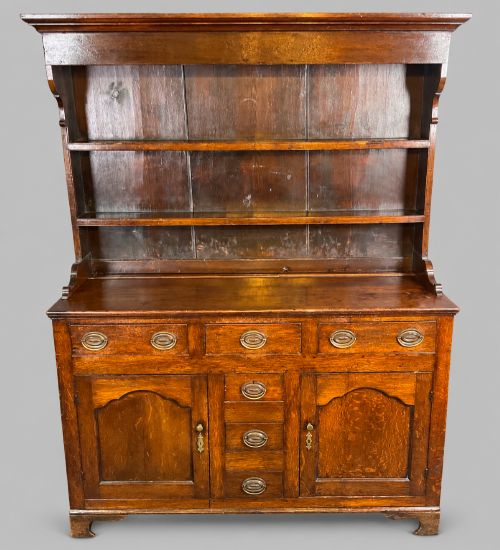
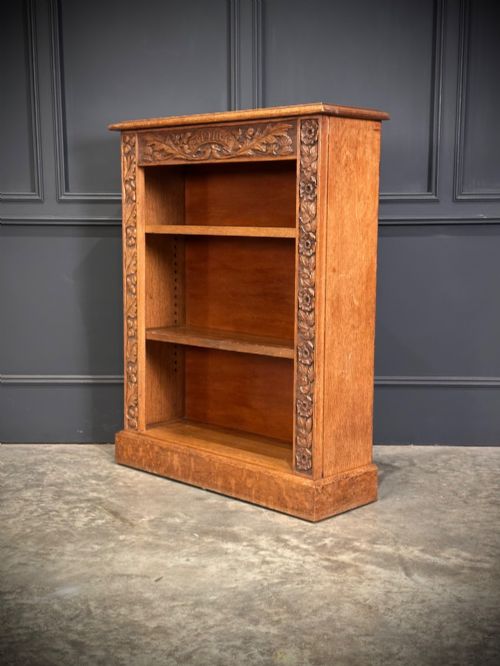
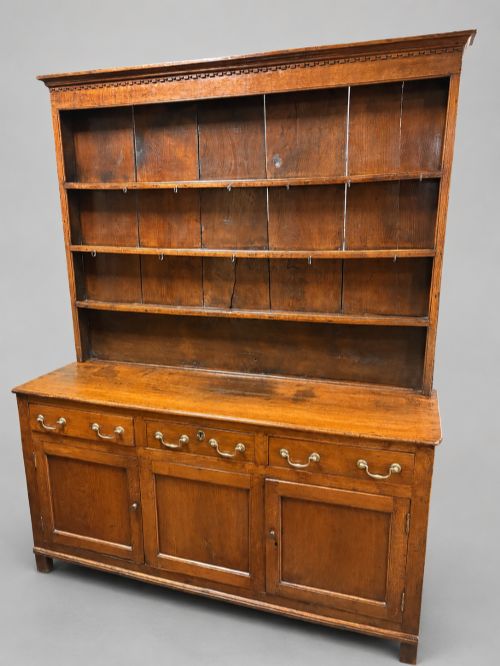
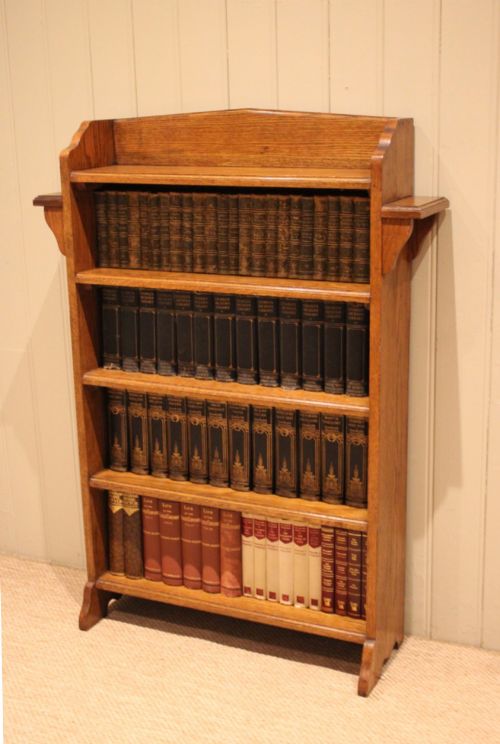
When you search for a solid oak rack, you find practical furniture built to hold books, hats, and plates across the centuries.
Solid Oak Rack
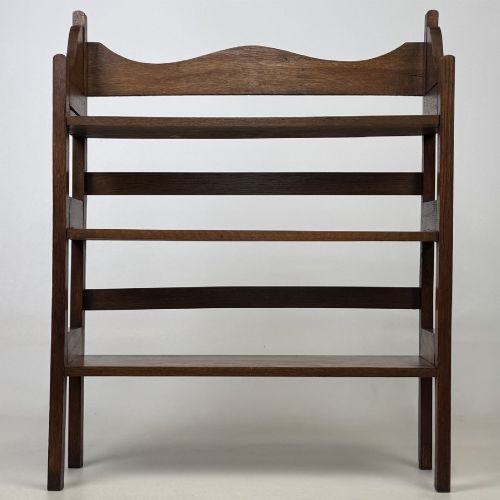
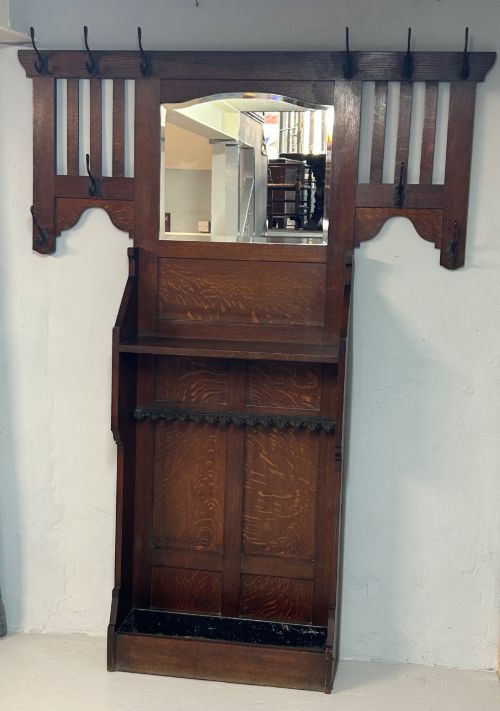
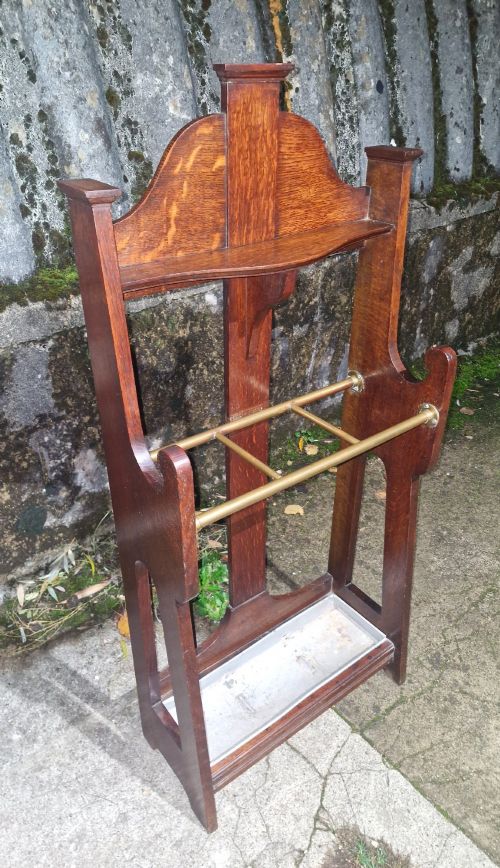
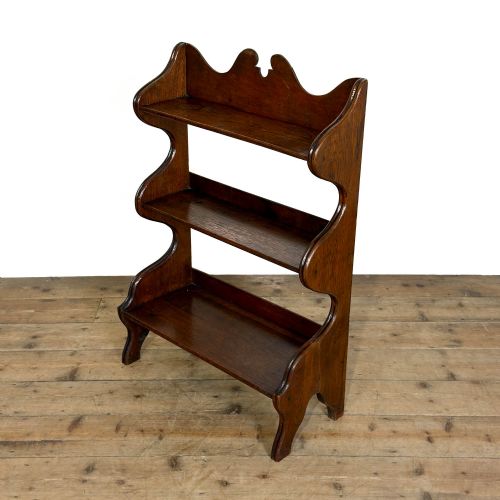
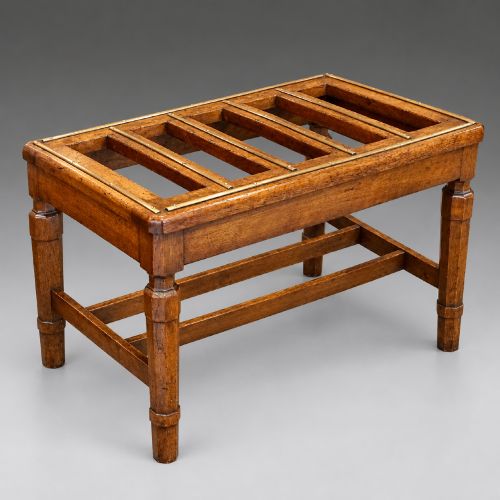
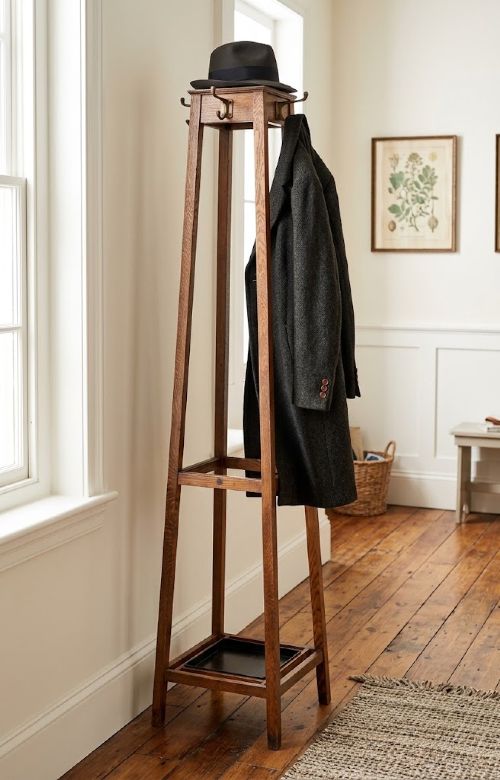
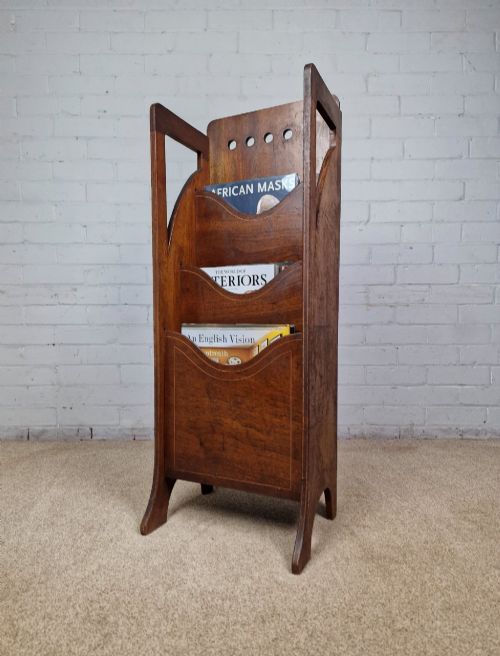
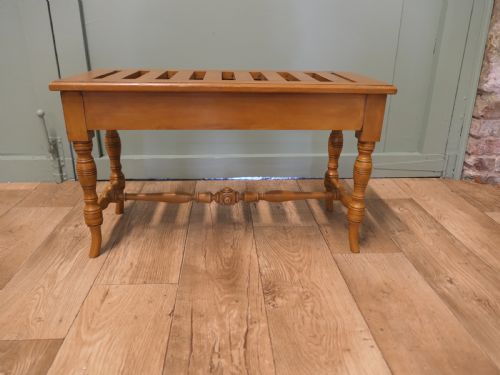
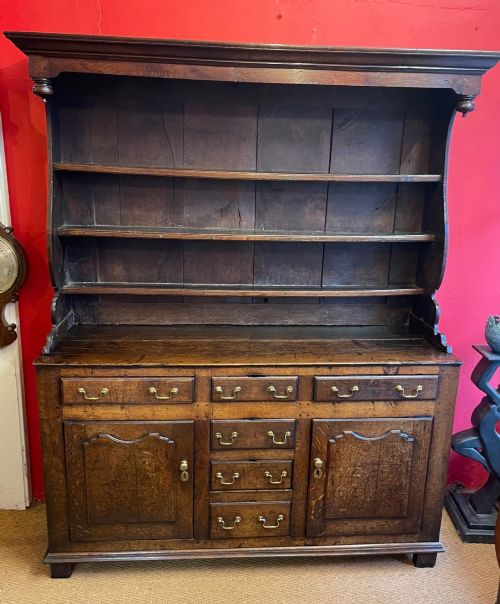
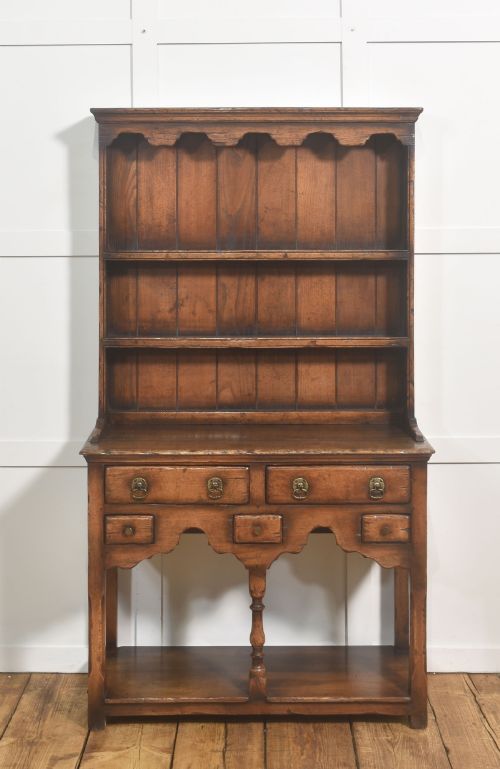
A solid oak rack encompasses several functional forms, most notably open bookcases, plate racks on Welsh dressers, luggage stands, and hall stands for coats and umbrellas. These pieces bridge domestic utility and display, designed to organise daily life in the hallway, study, or kitchen.
The versions you are most likely to meet on this page date from the Edwardian period and the early twentieth century, alongside robust Arts and Crafts iterations and traditional Welsh forms. They utilise honest construction methods suited to heavy, everyday use in family homes.
Makers ranged from country workshops producing traditional pot board dressers to notable retailers like Liberty and Finnigans creating modernist Arts and Crafts storage. The unifying element across all these forms is the use of solid oak, often enhanced by practical shelves, hooks, and rails.
Materials and Construction
The primary material is solid oak, selected for its density and prominent grain, sometimes complemented by ebonised finishes, boxwood inlay, or golden tones. Structural integrity relies on traditional joinery, sturdy framing, and substantial timber boards that bear weight without warping.
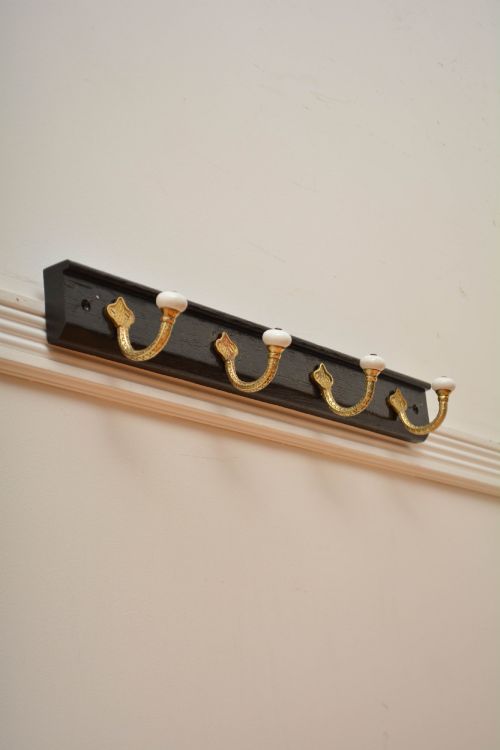
Metalwork plays a crucial functional role alongside the wood, featuring cast brass and iron coat hooks, structural brackets, decorative hinges, and metal drip trays fitted to umbrella stands. Glass and ceramic details occasionally appear on hooks or door fittings to add contrast to the dark timber.
Surface finishing involves wax or polished layers that protect the timber while highlighting the natural figuring of the oak. Details such as decorative cut-outs, raised galleries, and turned legs reflect the stylistic preferences of the nineteenth and early twentieth centuries.
Solid Oak Rack Retail Price Guide 2026
Typical asking prices for solid oak rack among the pieces listed under this phrase on Sellingantiques today, from the lower quarter to the upper quarter. They describe what is for sale here now, not the wider market.
Listings feature solid oak racks spanning the 18th century through to the 1930s, incorporating styles from Gothic Revival to Arts and Crafts.
Assessing Quality and Craftsmanship
Quality rests in the heaviness of the timber and the honesty of the construction, where thick solid oak boards and sturdy joints distinguish superior items from lighter, utilitarian pieces. Finer examples display thoughtful proportions and careful selection of timber grain, particularly on prominent display surfaces like dresser plate racks or bookcase fronts.
The integration of secondary materials defines the character of better pieces, such as substantial brass or iron metalwork that remains firmly seated in the wood without looseness. Decorative elements like boxwood inlay, carved detailing, or rhythmic cut-outs on Arts and Crafts pieces show a higher level of design ambition from the maker.
Finnigans·Liberty Design
The Solid Oak Rack Glossary
- Luggage rack
- A low folding or fixed stand with wooden slats designed for holding suitcases at a convenient height in bedrooms. They often date from the Edwardian era.
- Hall stand
- A tall hallway item combining coat hooks, a mirror, umbrella holders, and a drip tray. They organise outdoor wear near the entrance of a home.
- Ebonised oak
- Timber treated with a dark chemical stain or finish to imitate ebony. This technique was popular in Victorian and Arts and Crafts design.
- Pot board
- The lower open shelf on a traditional dresser used for storing pots and heavy kitchenware. It provides structural stability to the base of the furniture.
Solid Oak Rack: Frequently Asked Questions
What is a solid oak rack used for?
These pieces serve practical domestic storage needs, functioning as bookcases for libraries, plate displays for dining rooms, and hallway stands for coats and umbrellas.
Their robust construction ensures they handle heavy daily use while bringing natural timber texture into traditional and modern interiors.
How do I date an oak rack?
Dating relies on stylistic clues, construction methods, and hardware choices such as brass hooks or boxwood inlay.
Arts and Crafts pieces often feature decorative cut-outs and golden oak, while 18th-century Welsh dressers show hand-planed surfaces and peg joinery.
Where should I place a hallway rack?
Hall stands and coat racks suit entranceways and boot rooms where visitors drop outerwear, hats, and umbrellas.
Ensure there is adequate floor space for clearance, especially with pieces featuring integrated umbrella drip trays.
Are these racks made of solid wood?
The listings focus on solid oak construction, utilising heavy timber boards across the frames, shelves, and panels.
Secondary materials like brass, iron, and ceramic appear as hardware rather than structural substitutes for the wood.