

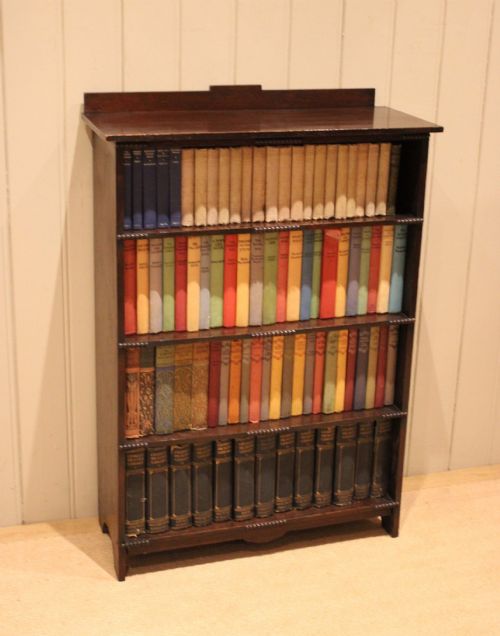
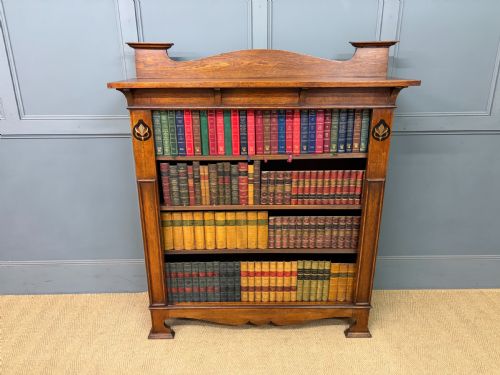
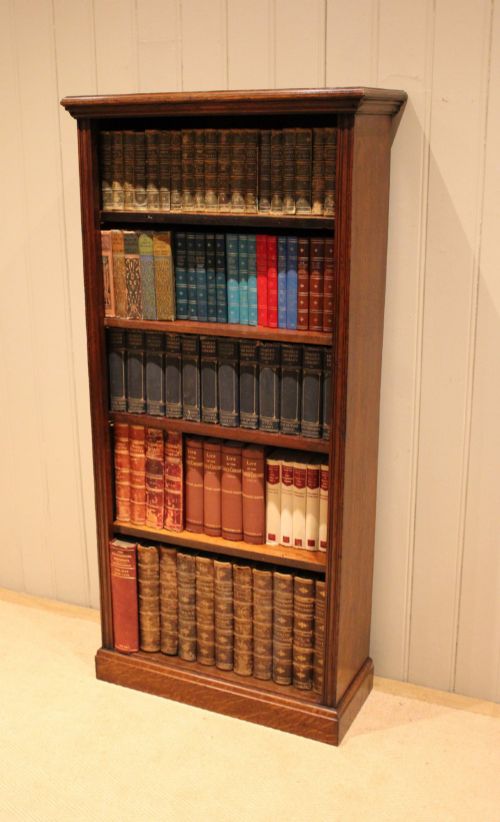
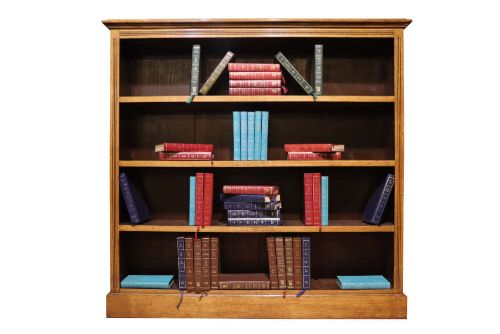
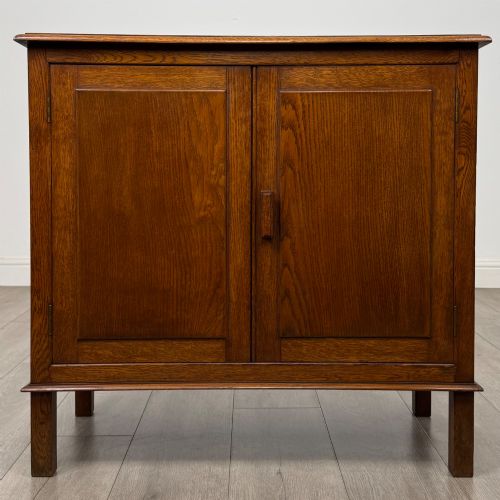

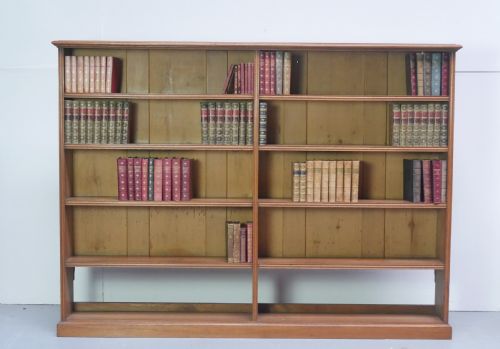
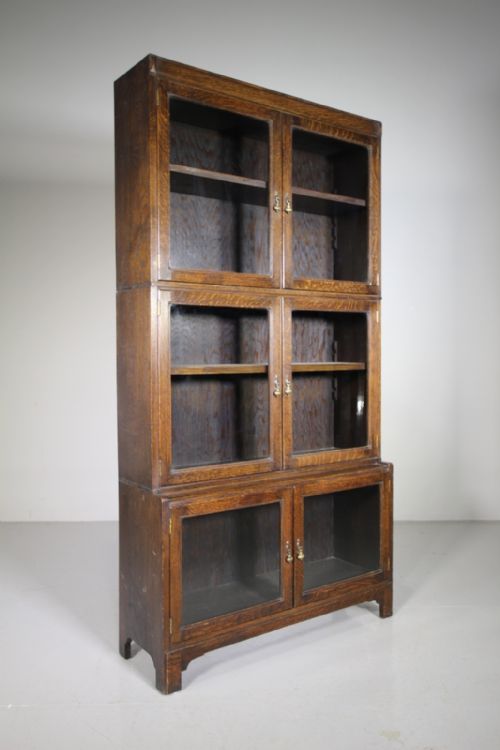
Solid Oak Bookcase Cabinet
A solid oak bookcase cabinet brings heavy timber construction and practical shelving into a room, spanning periods from the Victorian era to the 1930s.

Solid Oak Bookcase Cabinet
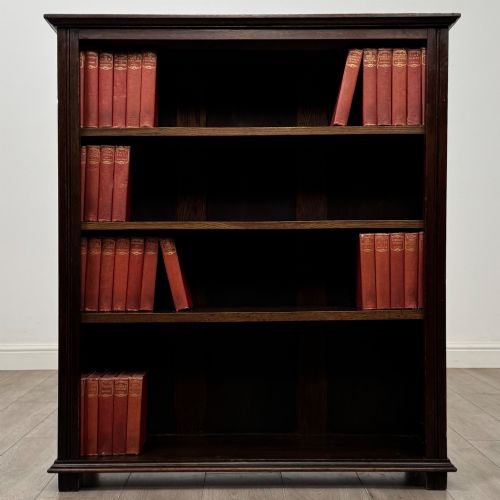
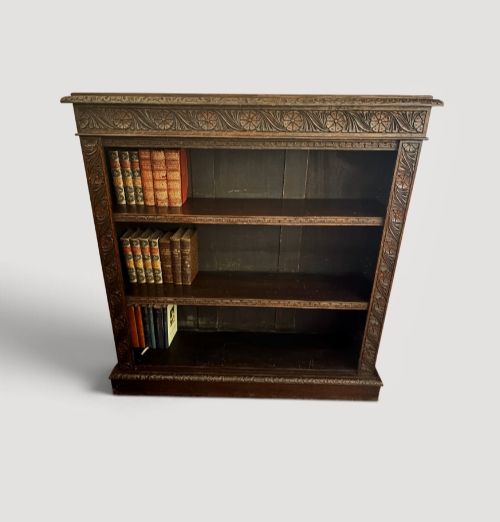
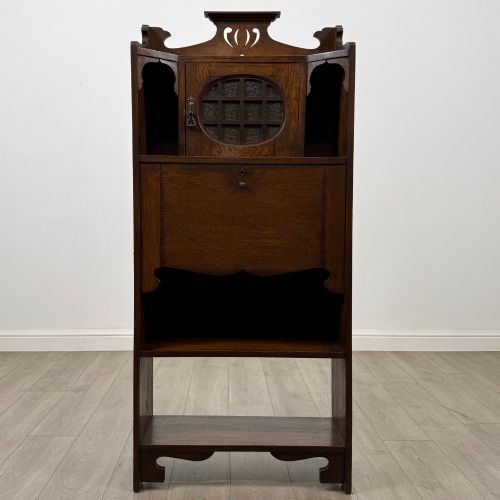
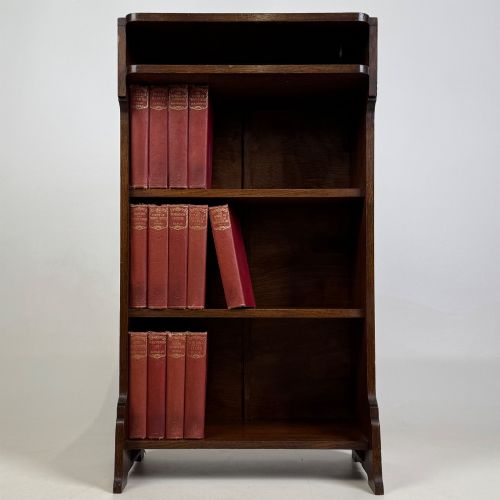
A solid oak bookcase cabinet combines timber storage with display functions, drawing on forms recorded from the 19th Century through to the 1930s. Buyers searching for a solid oak bookcase cabinet encounter pieces ranging from tall glazed units to compact bureau combinations.
The material palette centres on heavy oak timbers, frequently paired with glass, brass hardware, and iron fittings. Surviving examples reflect periods including Victorian, Edwardian, Arts and Crafts, and 1930s interwar designs.
Construction and Materials
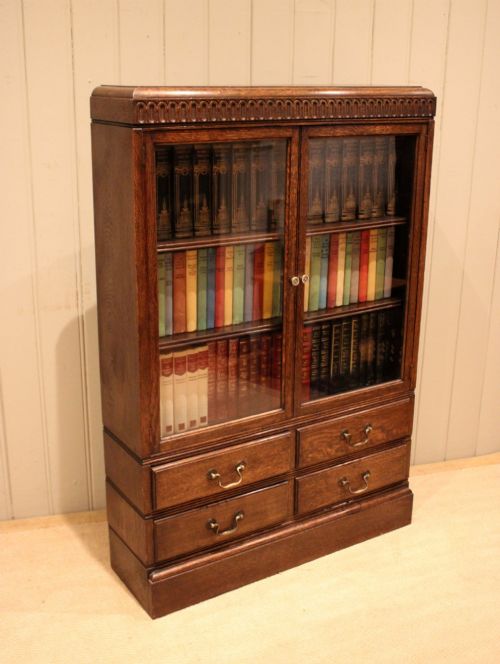
Workshops utilised solid oak boards joined to bear the weight of heavy volumes, employing adjustable shelving systems in many open and glazed formats. Carved ornamentation appears on Victorian and Jacobean Revival pieces, contrasting with the cleaner lines seen in later Arts and Crafts and Art Deco interpretations.
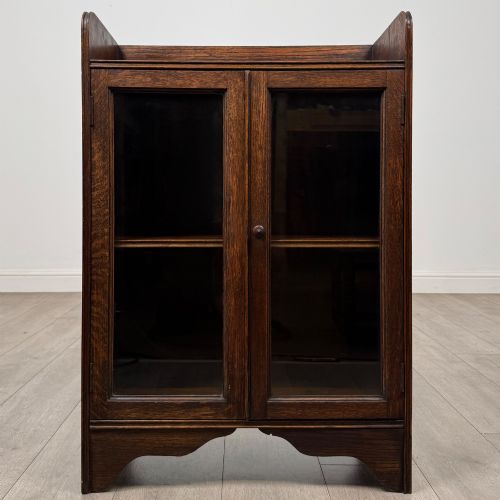
Glazing techniques incorporate leaded panels or plain glass fitted into timber frame doors, while hardware relies on brass handles, hinges, and iron fastenings. Dark oak finishes and natural golden tones highlight the grain of the wood across the different periods.
Solid Oak Bookcase Cabinet Retail Price Guide 2026
Typical asking prices for solid oak bookcase cabinet among the pieces listed under this phrase on Sellingantiques today, from the lower quarter to the upper quarter. They describe what is for sale here now, not the wider market.
Listings span eight distinct periods, from 18th-century pieces to 1930s interwar designs.
Assessing Quality and Execution
The distinction between standard utility storage and superior pieces rests on the depth of the carving, the thickness of the solid oak panels, and the refinement of the joinery. Finer examples display integrated adjustable shelf mechanisms and balanced proportions across breakfront or large country house formats.
Workmanship in hardware selection and glass fitting separates basic production items from exhibition or attributed workshop pieces. The handling of the timber grain, whether finished in dark oak or left in a natural golden state, dictates the visual impact of the cabinet.
Heals·Liberty & Co
The Solid Oak Bookcase Cabinet Glossary
- Bureau bookcase
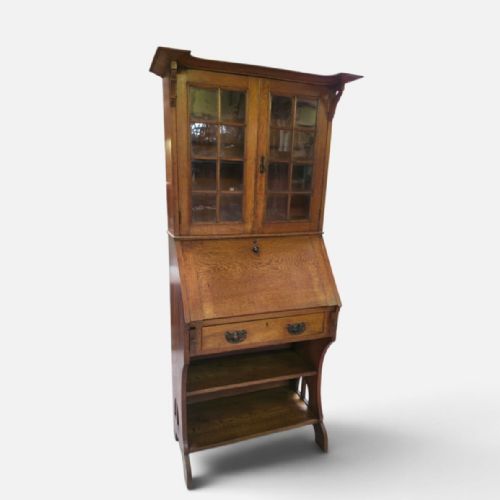
- A writing slope combined with shelving storage, often featuring a fall front that conceals pigeon holes and small drawers. These units unite desk space and a cabinet in one item.
- Breakfront
- A cabinet design where the central section projects forward from the flanking wings. This configuration creates architectural depth and visual weight.
- Glazed
- Fitted with glass panels in the doors to protect books from dust while allowing visibility. Panels frequently use lead cames or timber muntins for division.
- Adjustable shelves
- Shelving supported by pegs, ratchets, or metal tracks that allow the height between tiers to be altered. This adaptation accommodates volumes of varying sizes.
- Jacobean Revival
- A style popular in the 19th and early 20th centuries that imitates 17th-century furniture. It is characterised by heavy mouldings, panel work, and deep relief carving.
Solid Oak Bookcase Cabinet: Frequently Asked Questions
How do I date a solid oak bookcase cabinet?
Dating relies on stylistic clues, hardware types, and construction methods. Victorian pieces often display heavy carving or Gothic influences, whereas Edwardian and 1930s examples lean towards simpler rectilinear forms or Art Deco geometry.
Examine the backboards and interior fixings for machine marks versus hand-planing. Edwardian and later 20th-century items frequently incorporate standardised brass mechanisms and factory-produced joinery.
What is the difference between an open and a glazed bookcase?
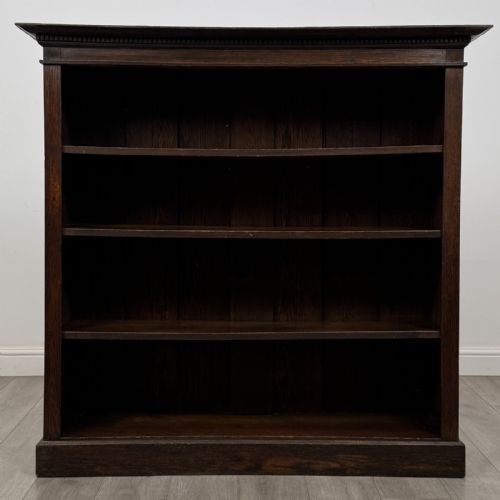
An open bookcase provides direct access to volumes without doors, a format common in Edwardian and Victorian library settings. Glazed variants feature glass-fronted doors that protect contents from dust and light exposure.
Glazed cabinets suit valuable or delicate bindings, while open units offer immediate accessibility for everyday reading material. Both styles utilise solid oak framing to support heavy shelf loads.
How should I care for dark oak furniture?
Maintain dark oak surfaces by dusting with a dry, soft cloth to prevent particulate buildup. Avoid placing the timber in direct sunlight or near heat sources to prevent warping and splitting.
Apply a microcrystalline wax periodically to nourish the grain and protect the finish. Avoid silicone-based polishes that leave a persistent residue on antique wood.
Are shelves in antique bookcases usually adjustable?
Many surviving examples feature adjustable shelving supported by wooden ratchets, metal pins, or sliding tracks. This adaptability allowed owners to alter shelf heights for octavo and folio volumes.
Fixed shelving also occurs, particularly in simpler vernacular pieces or smaller cabinets. Check the interior vertical uprights for peg holes to determine adjustability.