




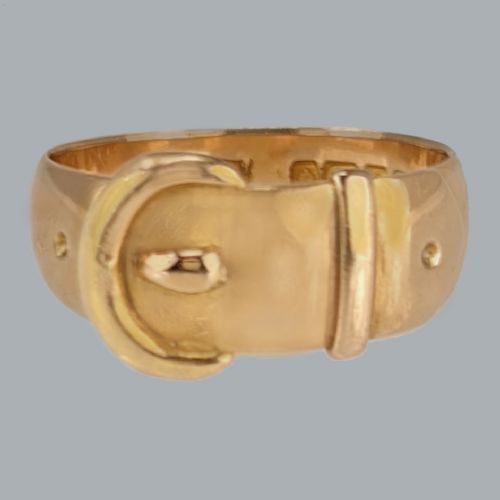


Solid Gold Ring
A solid gold ring brings weight and endurance to the hand, drawing collectors toward historic bands and gemstone pieces shaped in precious metal.
Solid Gold Ring
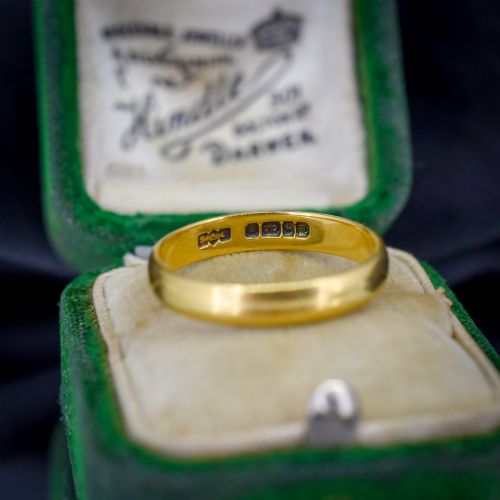
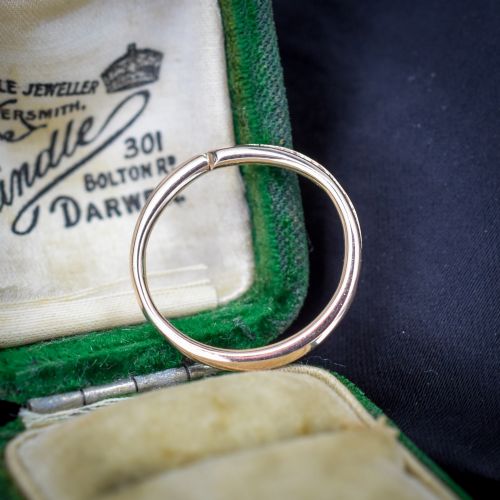
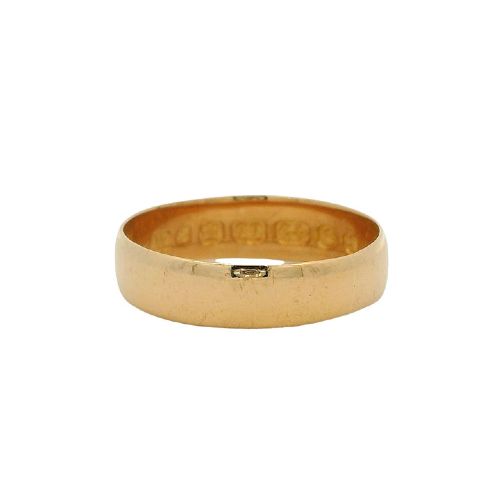
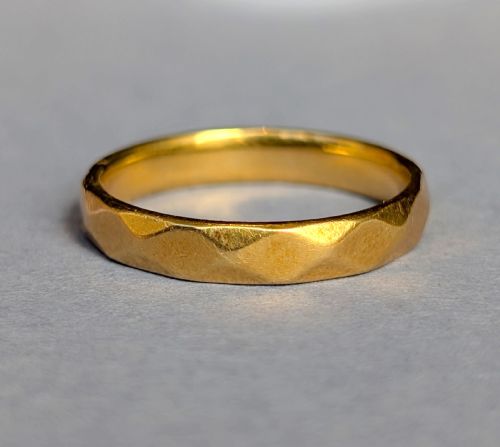
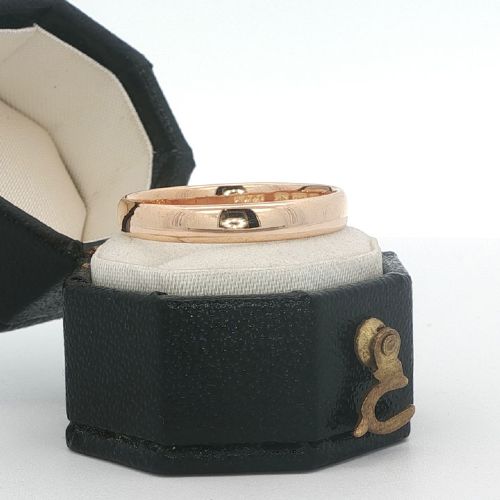
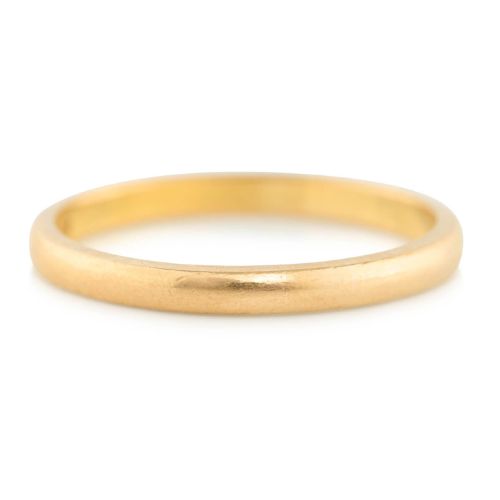
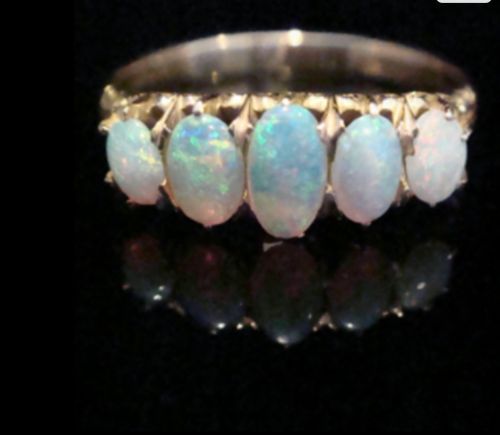
Plain wedding bands in high-carat gold dominate the selection, alongside Edwardian opal and diamond five-stone designs and mid-century dress pieces. Signet rings and animalier designs also appear among the heavier forms.
The objects stem from British workshops and assay offices, carrying hallmarks that trace their production through the late nineteenth and twentieth centuries. Buyers encounter both utilitarian bands and decorative jewelled creations.
How they were made
Goldsmiths worked primarily with 9ct, 18ct, and 22ct yellow and rose gold, often casting or forging the metal to create durable solid bands and settings. Platinum also appears alongside gold in multi-stone Art Deco rings.
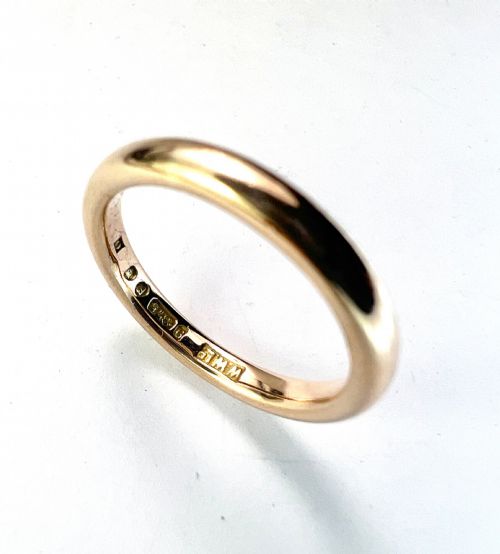
Gemstones including natural opals, old-cut diamonds, rubies, sapphires, emeralds, and smoky quartz were flush-set, claw-set, or bead-set into the gold mounts by hand. Hallmarks were stamped directly into the inner shanks to denote metal purity and origin.
Solid Gold Ring Retail Price Guide 2026
Typical asking prices for solid gold ring among the pieces listed under this phrase on Sellingantiques today, from the lower quarter to the upper quarter. They describe what is for sale here now, not the wider market.
Listings feature yellow gold, rose gold, and platinum, paired with diamonds, opals, rubies, sapphires, emeralds, and smoky quartz.
What varies in quality
The purity of the gold alloy establishes the foundational quality of each piece, ranging from lower-carat gold up to dense 22ct metal with a rich, deep hue. Weight and physical substance also separate heavier signet rings and thick bands from lighter stacking pieces.
The calibre of the gemstones and the precision of the hand-carved or cast details, such as Scottish thistle motifs or panther designs, determine the refinement of the piece. Crispness in the original British hallmarking adds significant documentary value.
W. E. D. L·William Griffiths and Son
The Solid Gold Ring Glossary
- Hallmark
- An official stamp or series of marks applied to precious metals in Britain to indicate purity, maker, and year of assay. These tiny punches provide a reliable anchor for dating historical jewellery.
- Carat
- The measure of purity for gold alloys, divided into twenty-four parts. Higher carat numbers contain a greater proportion of pure gold.
- Signet ring
- A solid metal ring featuring a flat top or bezel traditionally engraved with a crest or initials for sealing documents. They are prized for their substantial weight and personal history.
- Old-cut diamond
- A diamond cut by hand before modern machinery standardised facet shapes, typically featuring a smaller table and higher crown. These stones exhibit a distinctive, softer candlelight sparkle.
- Trilogy ring
- A ring set with three stones, often diamonds or coloured gems, representing the past, present, and future. This traditional configuration was especially popular during the Edwardian and Art Deco eras.
Solid Gold Ring: Frequently Asked Questions
How do I know my ring size?
Ring sizes in these historic pieces are recorded using standard British alphabetical sizing letters, from small measurements like M up to larger fits such as P and P-half.
Because solid metal bands cannot easily be altered without disrupting hallmarks or heavy shaping, checking the inner diameter against a sizing chart is essential before purchase.
What carats of gold are available?
The pieces span several gold purities, most notably 9ct, 18ct, and exceptionally high-purity 22ct gold.
Lower carats offer greater resistance to everyday wear, while 22ct gold provides a much richer, deeper yellow colour and a noticeably heavier feel on the finger.
How should I care for a antique ring?
Solid gold requires little maintenance beyond occasional gentle cleaning with warm soapy water and a soft cloth to remove everyday oils.
Gemstone rings, particularly softer stones like natural opals, need protection from harsh chemicals, ultrasonic cleaners, and hard knocks against solid surfaces.
How do I identify the date of a ring?
British pieces often carry a distinct date letter punch within the hallmarks stamped on the interior of the shank.
Matching these stamped letters against official assay office records reveals the exact year or assay cycle in which the piece was tested and finished.