

Solid Gold Pendant
A solid gold pendant brings together precious metal and miniature sculpture, offering enduring warmth and distinct character.
Solid Gold Pendant
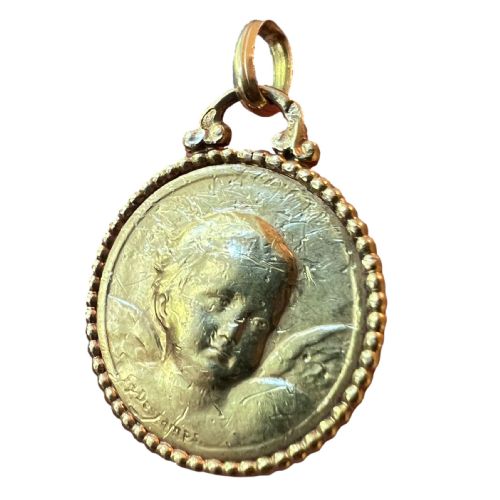
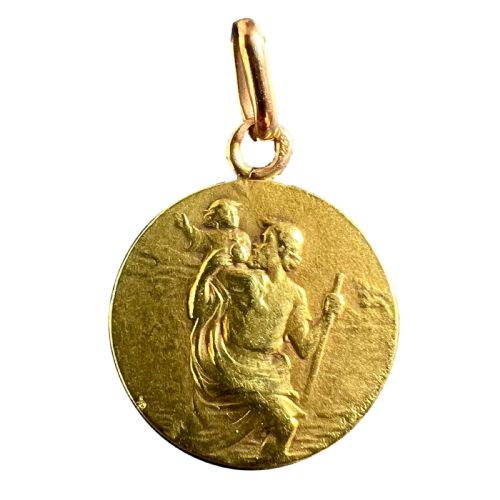
Buyers seeking a solid gold pendant will encounter pieces spanning the Victorian, Edwardian and mid-century eras. The selection on this page leans heavily toward 9ct yellow and rose gold items alongside higher carat examples.
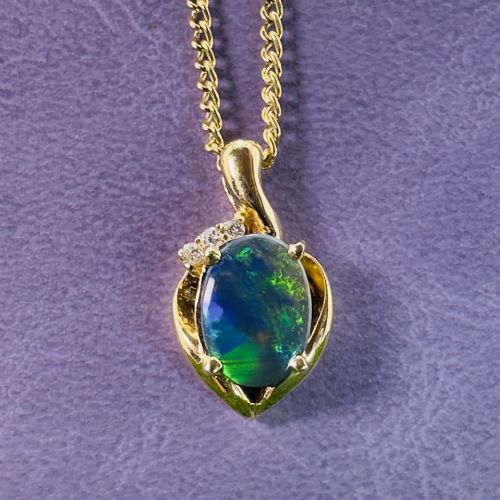
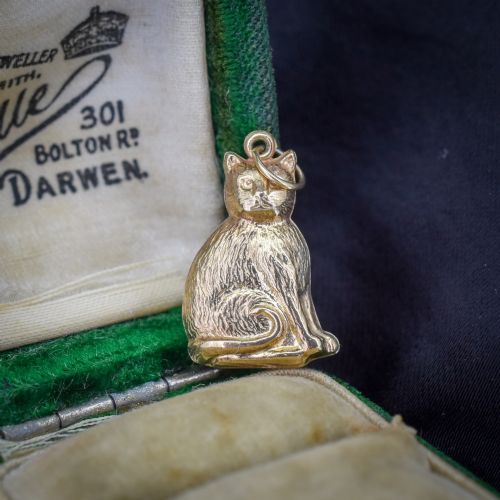
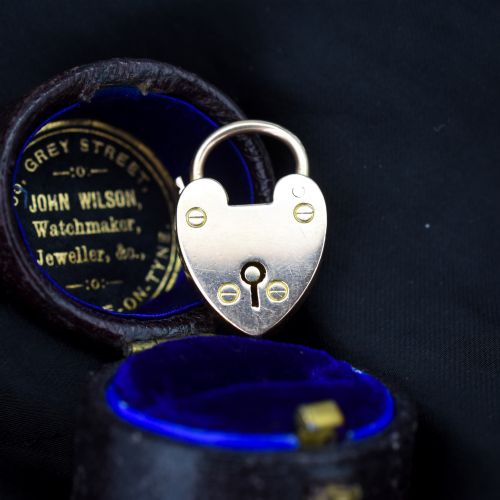
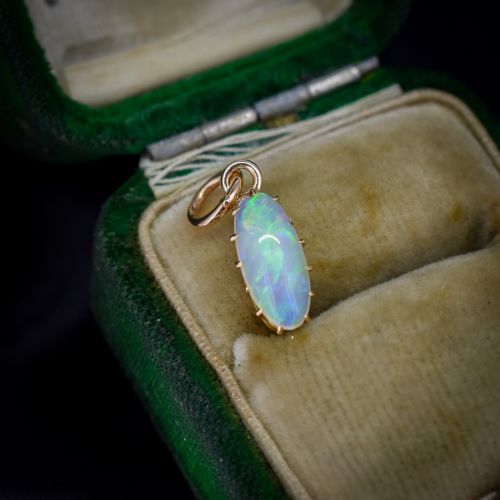
Many designs double as charms or medals, displaying precise engraving, enamel work or gemstone settings such as natural opals. They connect directly to historical periods spanning the nineteenth and twentieth centuries.
Materials and construction
These pieces utilise gold in various purities, notably 9ct, 14ct, 15ct and 18ct, appearing in yellow, rose and standard tones. Artisans combined these metals with natural opals, seed pearls, diamonds and vitreous enamel.
Manufacturing techniques include casting, hand engraving, filigree work and stamping. Many items bear hallmarks indicating assay offices in cities such as London and Birmingham, confirming their metal content and origin.
Solid Gold Pendant Retail Price Guide 2026
Typical asking prices for solid gold pendant among the pieces listed under this phrase on Sellingantiques today, from the lower quarter to the upper quarter. They describe what is for sale here now, not the wider market.
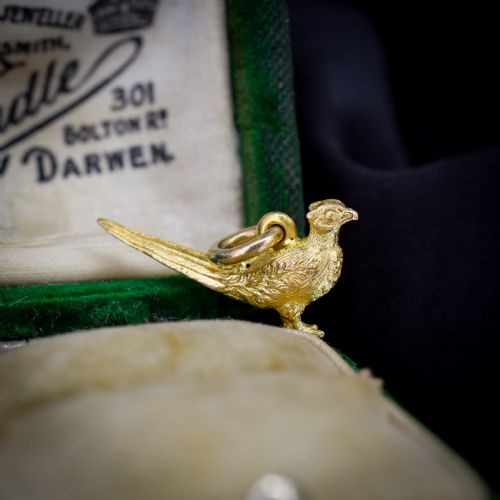
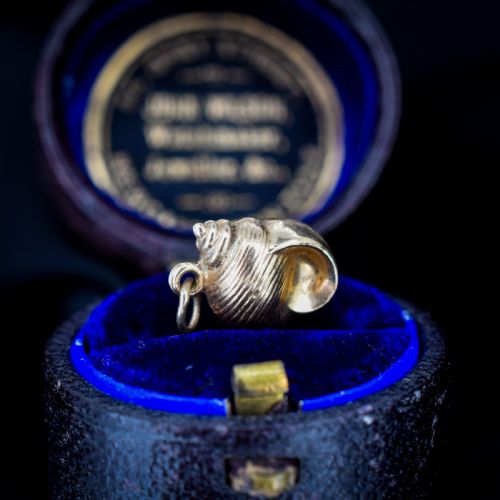
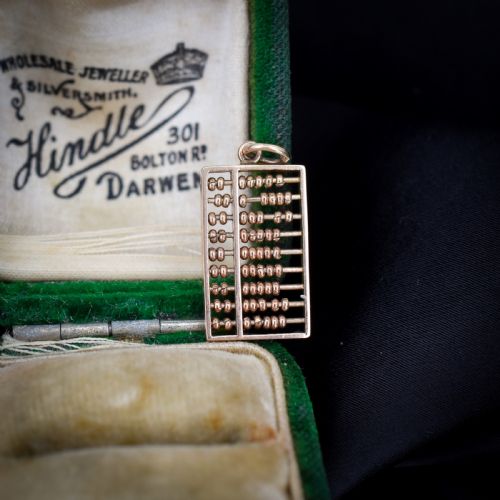
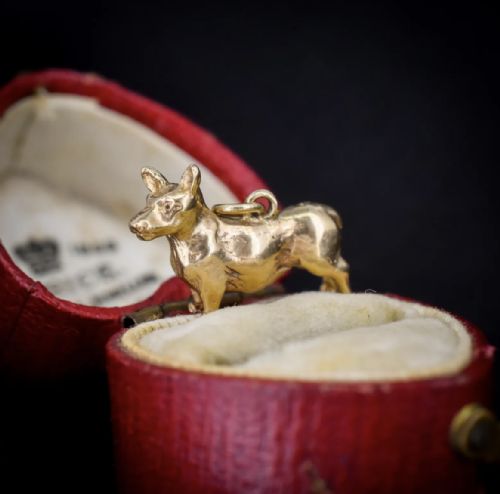
Miniature gold corgis, lucky beans and tiny abacuses prove that historical jewellers possessed a delightful sense of humour.
Judging quality
Quality rests upon the crispness of the casting and the depth of hand engraving. Pieces with sharp relief and well-defined miniature details stand apart from softer, worn examples.
The choice of secondary materials influences overall standing. Natural opals with vibrant play-of-colour and secure claw or bezel settings elevate a piece above standard mass-produced output.
The Solid Gold Pendant Glossary
- Charm
- A small decorative pendant suspended from a bracelet or neck chain. These often depict animals, vehicles or lucky symbols.
- Hallmark
- An official stamp applied to precious metals indicating purity, maker and assay office. British items display specific letter codes for the year of testing.
- Opalescence
- The optical phenomenon displayed by opals where light refracts into multiple spectral colours. High-grade stones show vivid flashes across the surface.
- Filigree
- Delicate jewellery-making technique using twisted gold wire soldered into openwork patterns. This method creates lightweight yet intricate decorative surfaces.
- Albert chain
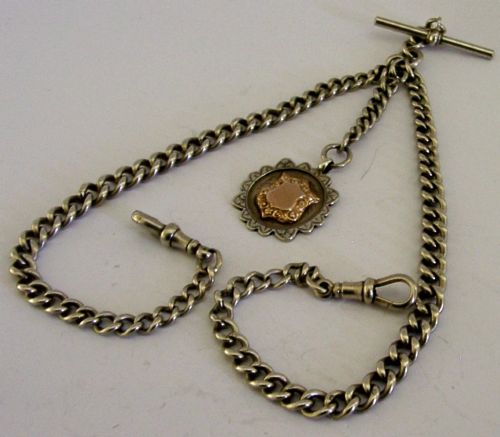
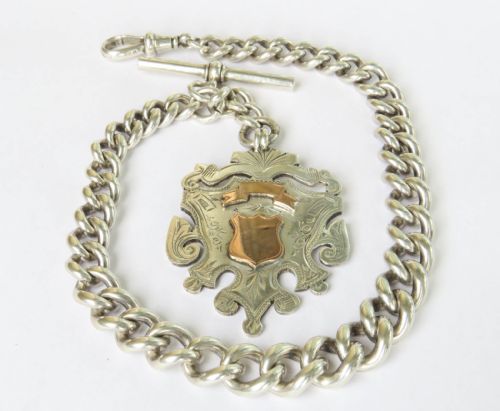
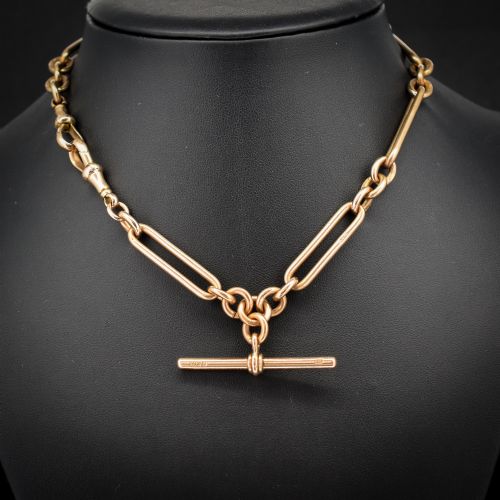
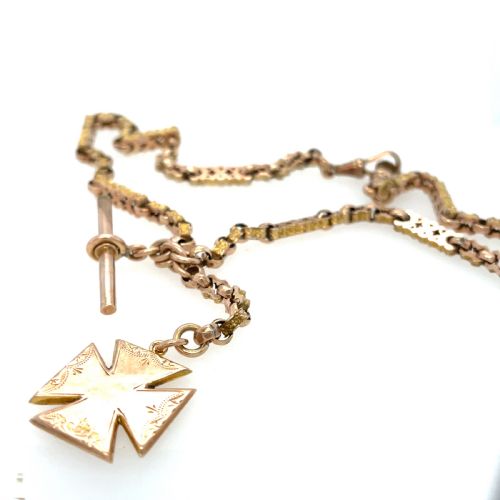
- A heavy watch chain traditionally secured to a waistcoat buttonhole. These frequently feature attached fobs and swivel clasps that convert easily for neck wear.
Solid Gold Pendant: Frequently Asked Questions
How do I wear a solid gold pendant?
These pendants suspend easily from standard neck chains, trombone link chains or traditional charm bracelets. Their scale allows them to be worn singly as a focal point or layered with complementary antique chains.
Matching the gold colour of the pendant to the chain creates a cohesive look. Many pieces include integrated loops or rings sized for standard clasps.
How do I date a solid gold pendant?
Dating relies heavily on official hallmarks stamped into the metal, which record the specific assay office and year of testing. Stylistic clues such as Edwardian filigree or mid-century subject matter also narrow down the period.
Design motifs reflect the aesthetic preferences of their era, from Victorian sentimental symbolism to twentieth-century novelty forms. Comparing construction methods provides further context.
Are these pendants hollow or solid?
The items listed here are described as solid gold, meaning they possess substantial weight and metal thickness rather than being electroplated or filled. This solid construction ensures durability for everyday wear.
Weight varies according to the carat and size of the piece, with high-carat Victorian examples often feeling notably heavier than smaller mid-century charms.
How do I care for antique gold jewellery?
Cleaning requires warm soapy water and a soft cloth to remove dust from recesses without scratching the metal. Harsh chemical dips should be avoided, particularly when dealing with softer organic gems like pearls or opals.
Storing pieces individually in soft pouches prevents friction against other items. Regular checks of jump rings and loops ensure the pendant remains secure during wear.