

Solid Gold Jewellery
Solid gold jewellery brings together centuries of wearable metalwork, from heavy Victorian watch chains to mid-century opal rings.
Solid Gold Jewellery
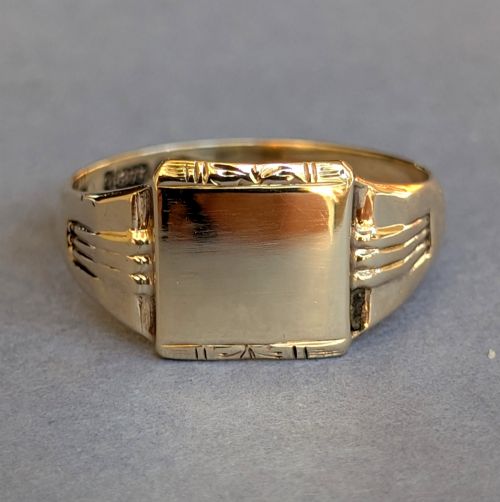
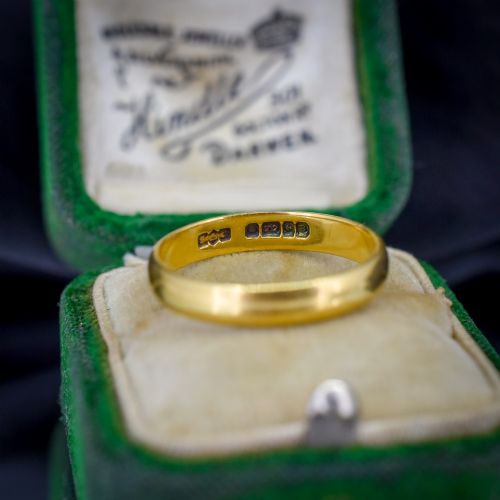
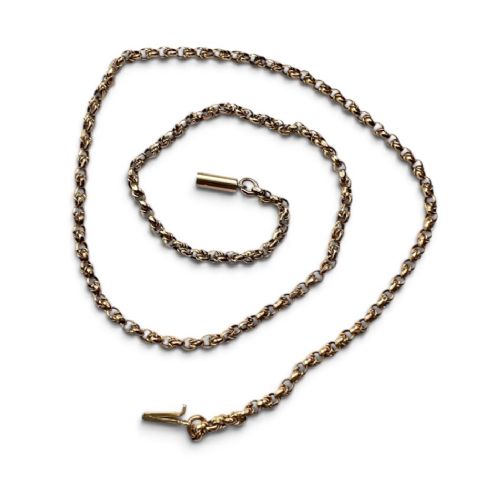
Solid gold jewellery covers a broad range of historical objects designed to be worn on the body, including rings, necklaces, bracelets, charms, and watch chains. Buyers searching this phrase encounter everything from plain wedding bands and signet rings to long guard chains and heavy curb link bracelets.
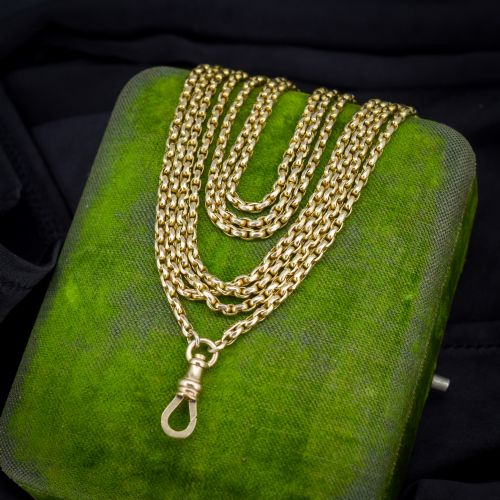
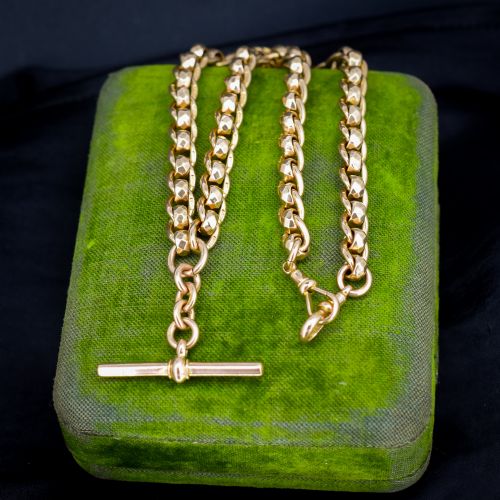
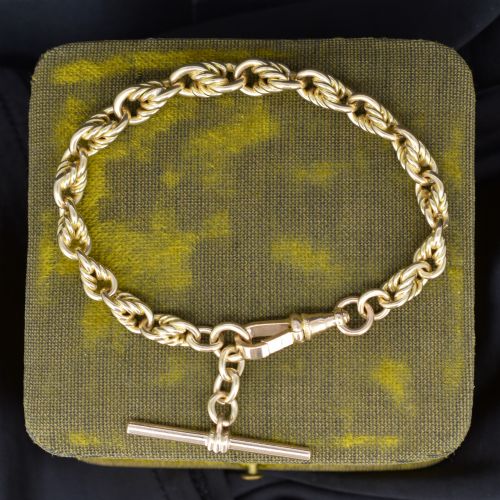
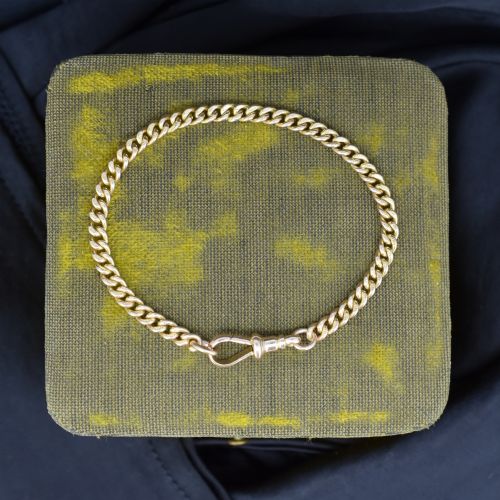
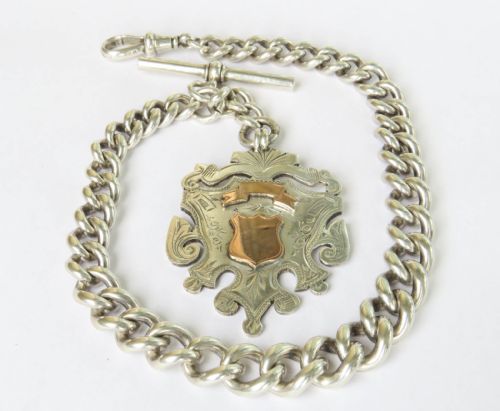
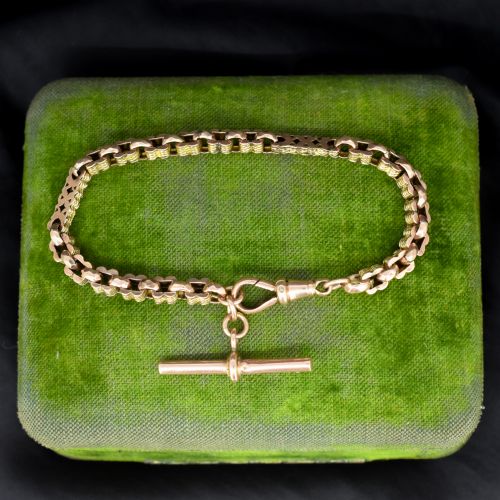
The pieces span multiple eras, with Victorian and Edwardian items appearing alongside 19th-century specimens and mid-century designs from the 1950s and 1960s. Chains featuring dog clips, T-bars, and love knot links form a significant portion of the available selection, often retaining their original structural elements.
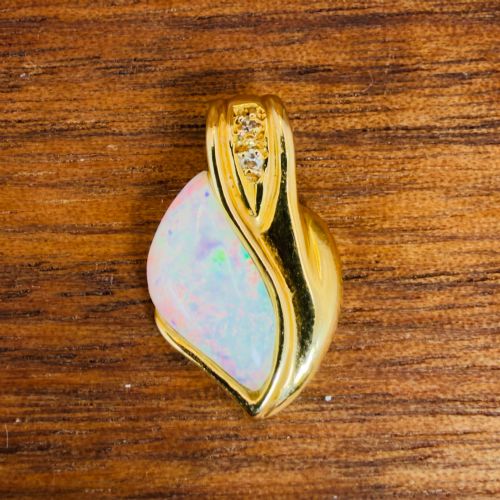
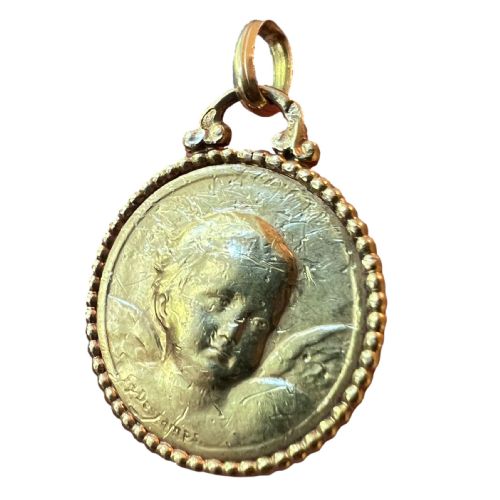
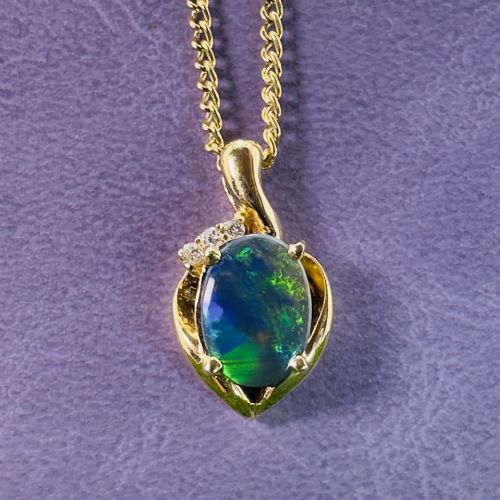
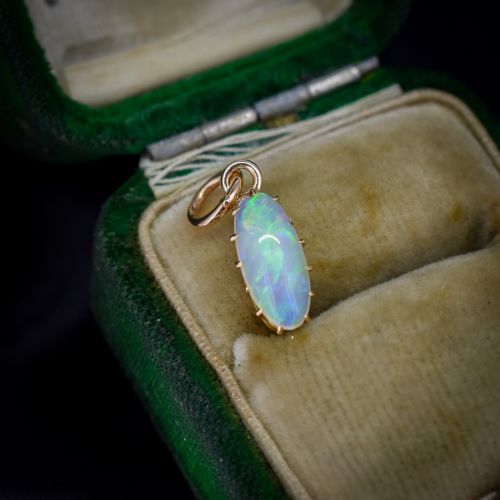
Items incorporate specific precious metals and gemstones, utilising 9ct, 15ct, 18ct, and 22ct gold in yellow and rose tones alongside opals and diamonds. Pendant necklaces and charm pieces frequently feature figural subjects or natural Australian Coober Pedy opals set within heavy metal mounts.
Materials and Construction
Metals are categorized by karat weight, utilising 9ct, 10ct, 14ct, 15ct, 18ct, and 22ct gold, with distinct variations in yellow and rose hues depending on alloy composition. Construction methods involve hand-assembling individual links, such as curb, trombone, and rollerball patterns, often with every link hallmarked.
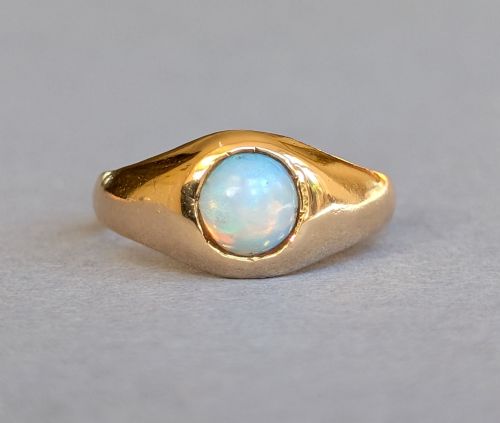
Gemstones like diamonds and Australian Coober Pedy opals are integrated into cluster pendants, gypsy rings, and freeform settings using bezel or prong techniques. Structural hardware such as dog clips, swivel split rings, and T-bars are mechanically engineered to secure heavy watch chains and guard necklaces.
Solid Gold Jewellery Retail Price Guide 2026
Typical asking prices for solid gold jewellery among the pieces listed under this phrase on Sellingantiques today, from the lower quarter to the upper quarter. They describe what is for sale here now, not the wider market.
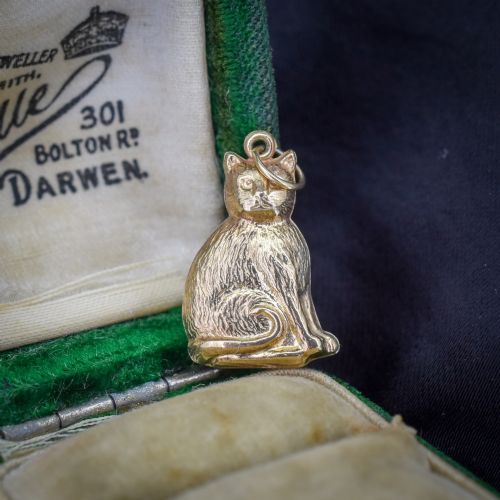
Tiny feline and pheasant charms in solid gold prove that past generations loved their pets and wildlife just as much as we do.
Assessing Quality and Build
Quality rests in the heaviness and integrity of the metalwork, distinguishing substantial pieces with significant gram weights from lighter items. Graduated links and fully hallmarked components indicate higher standard manufacturing, particularly in period watch chains and bracelets.
The grade of the gold alloy and the stability of set gemstones, such as natural solid opals and diamonds, determine the longevity of the piece. Preservation of original operational hardware like dog clips and spring rings preserves the structural authenticity of antique pieces.
Descamps
The Solid Gold Jewellery Glossary
- Albert Chain
- A pocket watch chain designed to be worn across a waistcoat or attached to a garment, typically fitted with a T-bar at one end and a dog clip at the other.
- Dog Clip
- A spring-loaded snap hook used to secure watch chains, guard chains, and charm pendants.
- T-Bar
- A short horizontal bar attached to the centre of a watch chain, designed to pass through a buttonhole to anchor the chain securely.
- Gypsy Ring
- A ring style featuring a flush-set gemstone embedded directly into a thick metal band, popular during the Victorian period.
- Trombone Link
- An elongated watch chain link shape resembling the slides of a musical instrument, often alternating with smaller round or love knot links.
Solid Gold Jewellery: Frequently Asked Questions
What is an Albert chain used for?
Albert chains were originally worn in the 19th and early 20th centuries to secure pocket watches to a gentleman's waistcoat or a lady's garment. The T-bar slotted through a buttonhole while the dog clip secured the watch itself.
Today, these substantial gold chains are frequently worn as necklaces or wrapped bracelets. Their sturdy construction makes them practical for daily wear.
How do I tell Victorian gold from later pieces?
Victorian gold jewellery often utilises 15ct gold alongside 9ct and 18ct, a specific standard used in Britain until the early 20th century. Maker's marks, date letters, and assay office stamps help confirm the exact period of manufacture.
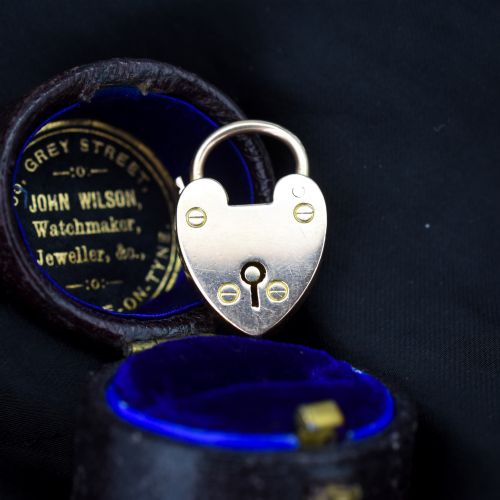
Stylistic cues such as heavy curb links, love knot motifs, and integrated heart padlocks also point directly to the Victorian and Edwardian eras. Examining the hallmarking provides the most accurate dating.
Are opals durable enough for daily rings?
Opals possess a softer composition than diamonds, requiring some care when set into rings worn every day. Bezel settings help protect the stone's edges from accidental impacts.
Australian Coober Pedy opals set in 18ct gold appear in both historic cluster pendants and rings. Wearing them with mindful attention preserves the integrity of the stone.
What does solid gold mean for vintage items?
Solid gold indicates that the entire item consists of gold alloy throughout, rather than a thin outer layer over a base metal core. This includes various karat ratings such as 9ct, 18ct, and 22ct.
These pieces maintain their metallic composition and value over generations. They can be polished, resized, and repaired by specialist jewellers without revealing base metals underneath.