

Solid Gold Bracelet
A solid gold bracelet holds weight on the wrist, offering lasting metalwork from Victorian, Edwardian, and mid-century periods.
Solid Gold Bracelet
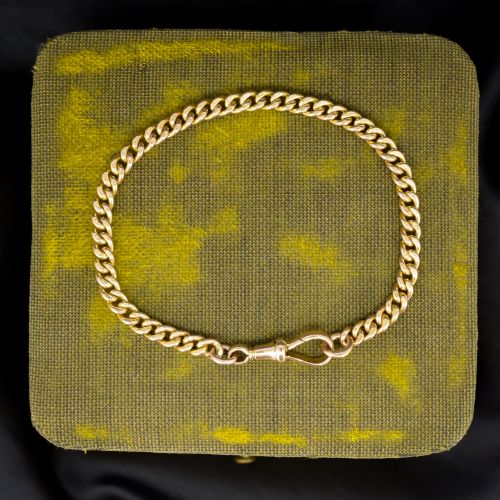
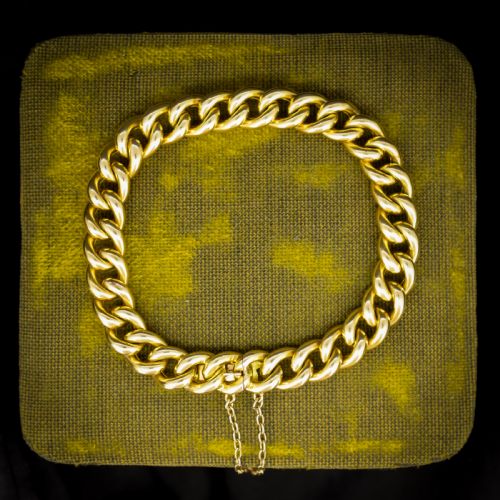
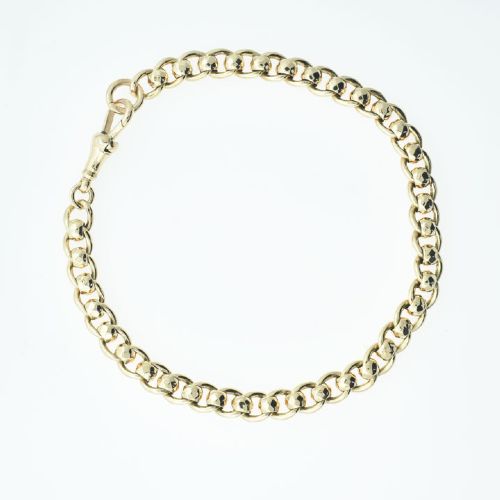
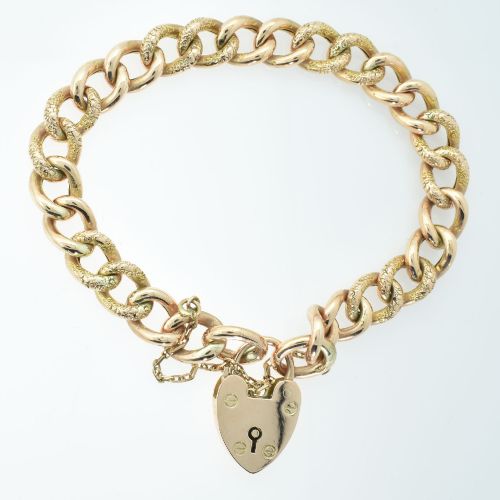
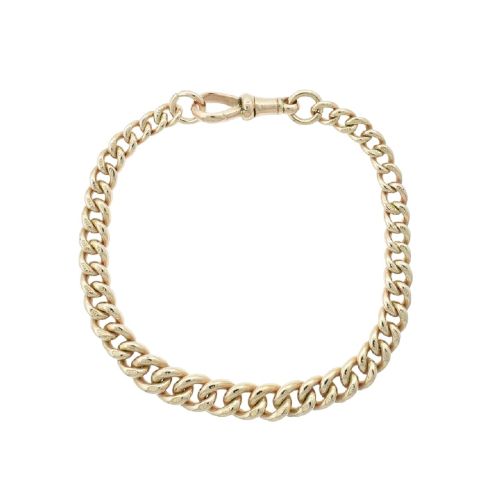
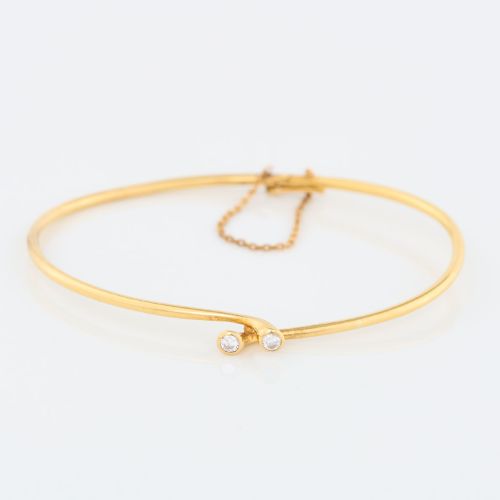
A solid gold bracelet encompasses curb link chains, heavy watch bracelets, gate links, and bangles originating from the Victorian era through the mid-twentieth century. Buyers searching for a solid gold bracelet encounter substantial link chains, expandable rollerball designs, and hinged bangles set with diamonds or fitted with heart padlocks.
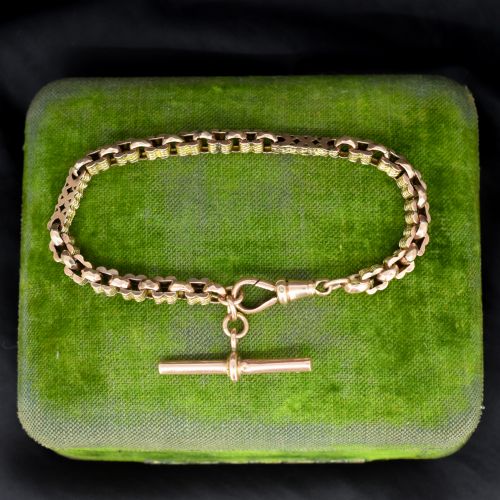
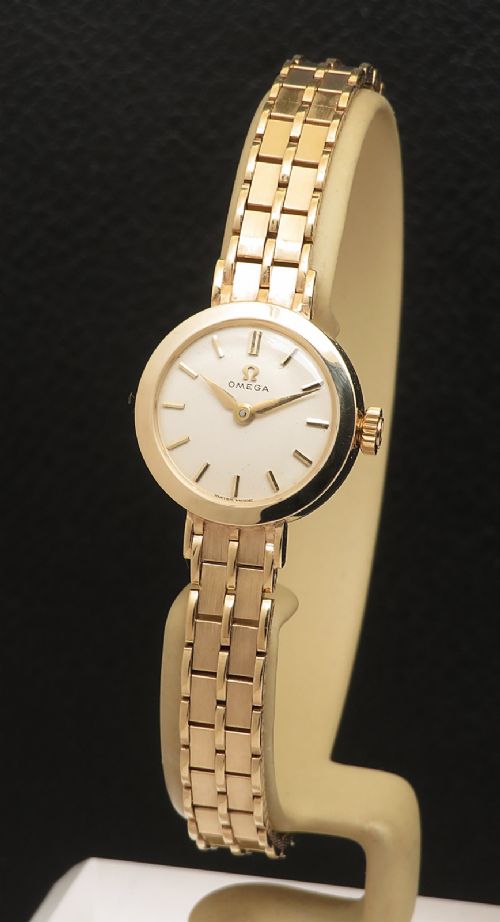
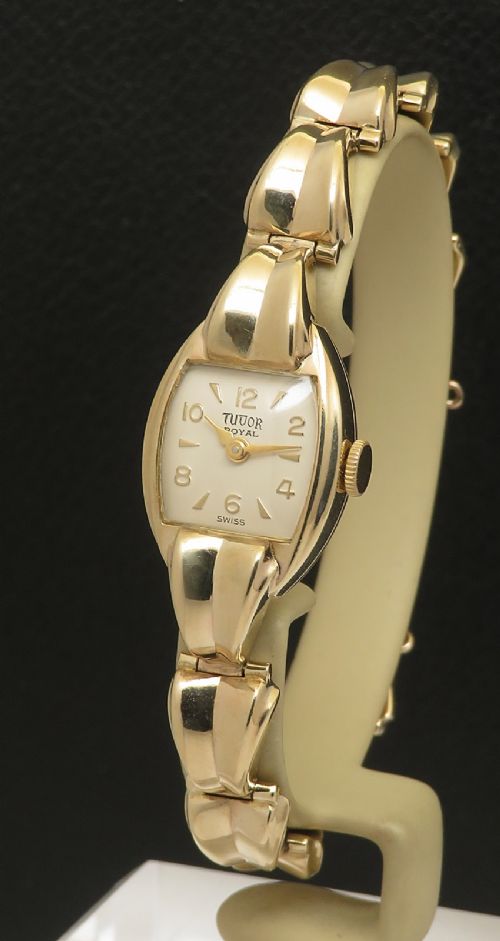
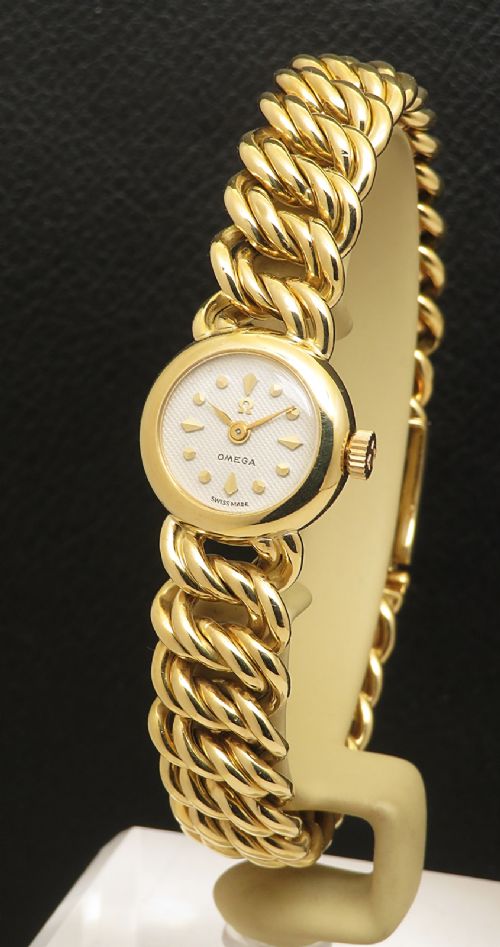
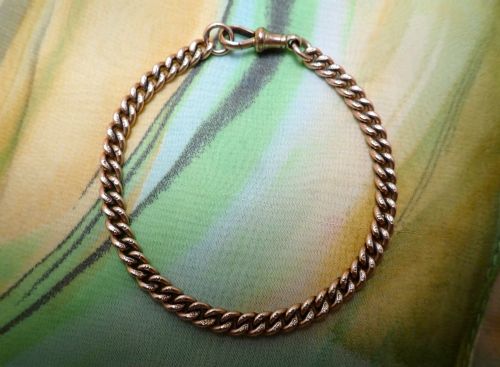
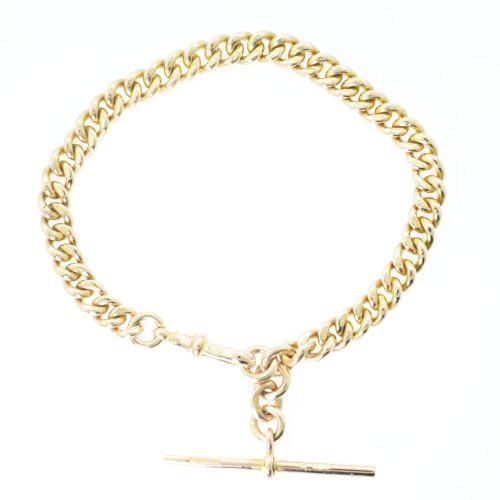
Curb link bracelets and graduated Albert chains with T-bars dominate the selection, alongside mid-century ladies' cocktail watches and charm bracelets featuring whimsical animal pendants. These pieces demonstrate the evolution of gold working from nineteenth-century hand-finished links to robust mid-century watch straps.
Materials and Construction
Makers utilised 9ct rose gold, 9ct yellow gold, and 18ct yellow gold, casting and forging heavy links to create durable jewellery intended for daily wear. Many chains incorporate hollow or solid interlocking links joined by secure concealed clasps, spring rings, or engraved padlocks.
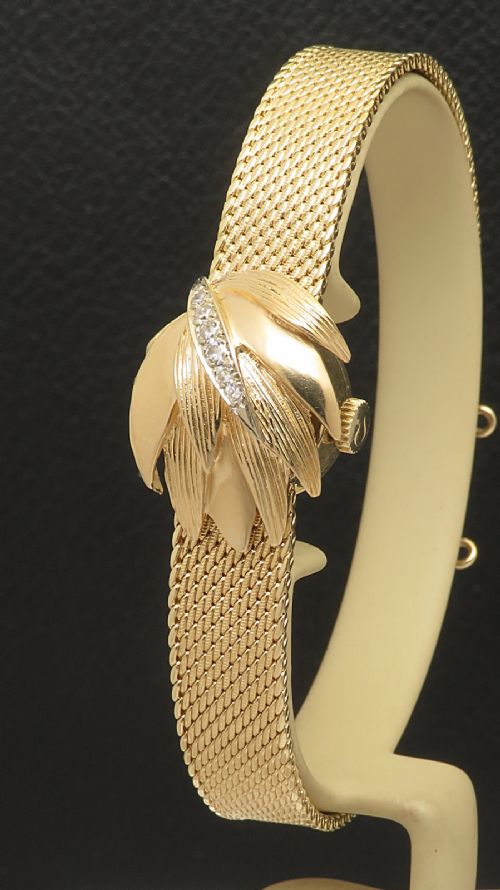
Watch bracelets and bangles often employ integrated mesh, rigid bar construction, or complex gate links soldered by hand. Diamonds, pearls, and enamel occasionally accent the gold structures, secured via flush or claw settings.
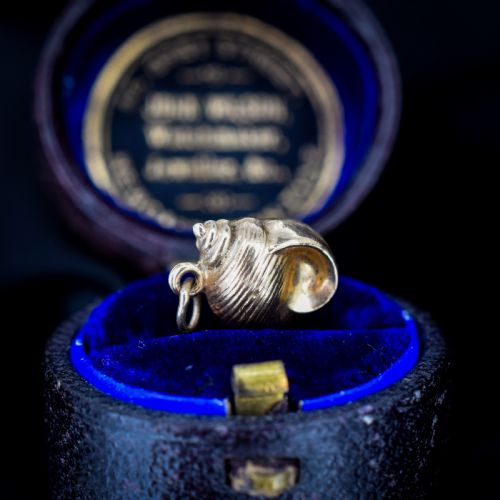
Several pieces double as men's pocket watch chains repurposed for the wrist, complete with dangling miniature pheasants, corgis, and red enamel dice.
Assessing Quality
Quality rests on gram weight, structural integrity, and the crispness of hallmarks stamped into the metal. Heavier pieces with dense, uncompromised links command attention, whereas worn hinges or thin links indicate heavy past use.
The precision of engraving, the tightness of clasp mechanisms, and the original integration of watch movements or charms separate standard items from superior examples.
Omega·Vertex·Theo Fennell·Longines·Accurist
The Solid Gold Bracelet Glossary
- Albert bracelet
- A heavy chain derived from nineteenth-century watch chains, traditionally worn across a waistcoat or secured to the wrist with a T-bar.
- Curb link
- A chain design composed of uniform, flattened links that interlock smoothly when laid flat.
- Gate link
- A patterned link construction resembling a miniature garden gate, often assembled in multiple bars across wide bracelets.
- Padlock clasp
- A heart-shaped locking mechanism commonly utilised on Victorian and Edwardian charm and curb bracelets.
- Rollerball
- A cylindrical link style typical of early twentieth-century flexible bracelets.
Solid Gold Bracelet: Frequently Asked Questions
How do I care for a solid gold bracelet?
Clean the metal using warm soapy water and a soft brush to remove everyday oils and dirt from between the links. Avoid harsh chemical dips, particularly if the piece incorporates pearls, enamel, or gemstones.
Store the item flat in a lined box to prevent scratching or tangling. Regular inspection of clasps and safety chains ensures secure daily wear.
What is an Albert bracelet?
An Albert bracelet originates from pocket watch chains worn during the Victorian and Edwardian eras. These pieces typically feature graduated links and retain a distinctive T-bar fastening.
Collectors prize them for their substantial weight and historical character. They convert readily into modern wrist wear while retaining their original nineteenth-century proportions.
How do I tell Victorian from mid-century pieces?
Victorian and Edwardian pieces frequently display hand-engraving, safety chains, and heart padlock clasps executed in rose gold. Construction relies on dense link formations and traditional hallmarking.
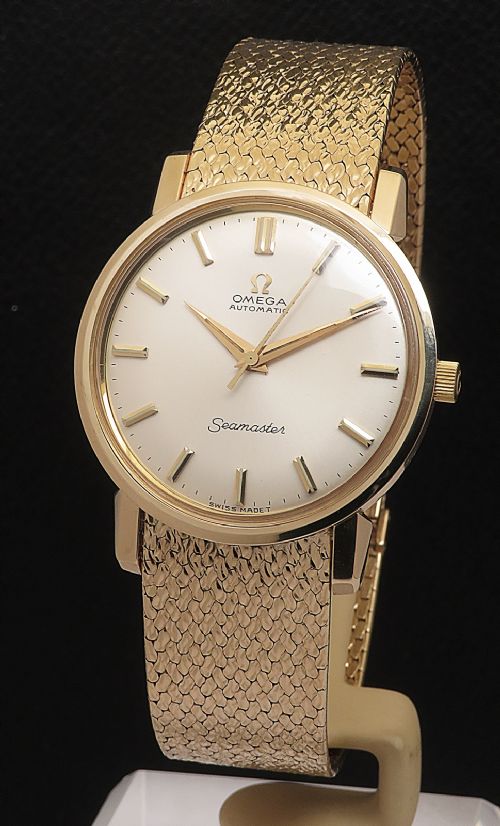
Mid-century examples lean towards streamlined profiles, machine-tooled geometric patterns, and integrated watch components from makers like Omega. Yellow gold and abstract textures become more common in the post-war decades.
Can I wear a gold watch bracelet daily?
Solid gold watch bracelets designed in the mid-twentieth century offer robust construction suitable for regular use. The heavy gauge metal resists bending during standard daily activities.
Vintage mechanical movements require careful handling and protection from moisture. Routine servicing by a watchmaker keeps the internal components functioning reliably alongside the gold strap.