



Solid Elm Furniture
Solid elm furniture brings robust character and distinct figuring to any interior, drawing on centuries of vernacular craftsmanship.
Solid Elm Furniture
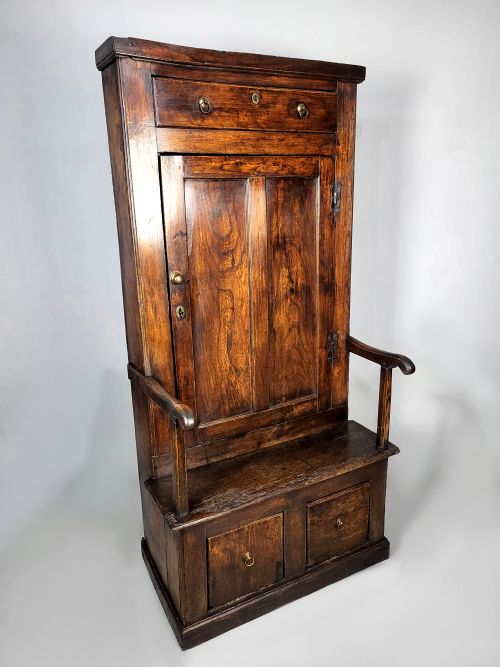
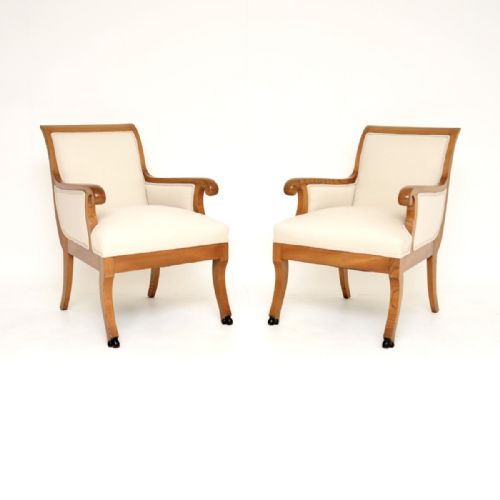
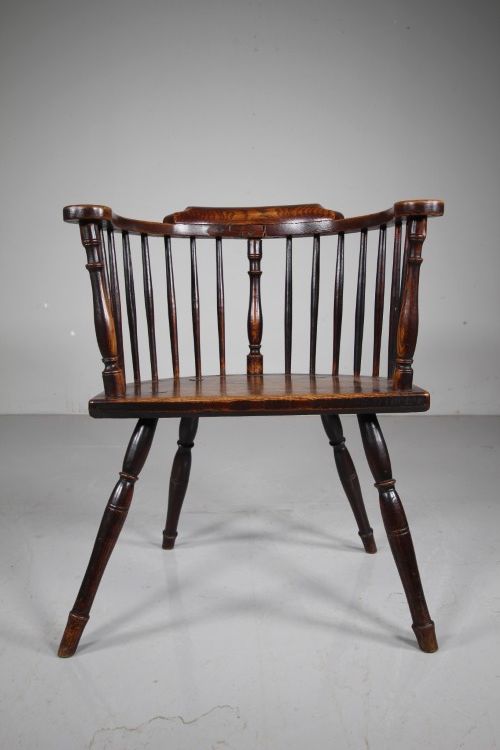
Solid elm furniture comprises practical seating, tables, and storage pieces created in domestic and regional workshops. These items range from vernacular country chairs and cricket tables to Swedish neoclassical armchairs and French benches.
The pieces appearing on this page span several distinct periods, most notably the eighteenth and nineteenth centuries, alongside early twentieth-century interpretations. Buyers encounter diverse regional expressions, including English, Georgian, French, Austrian, and Swedish designs.
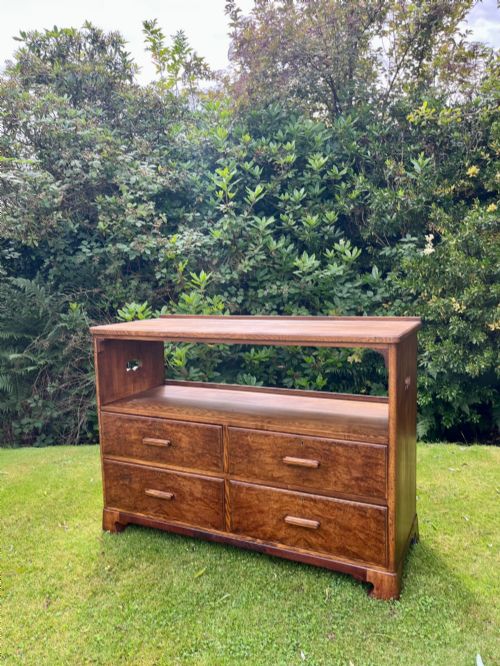
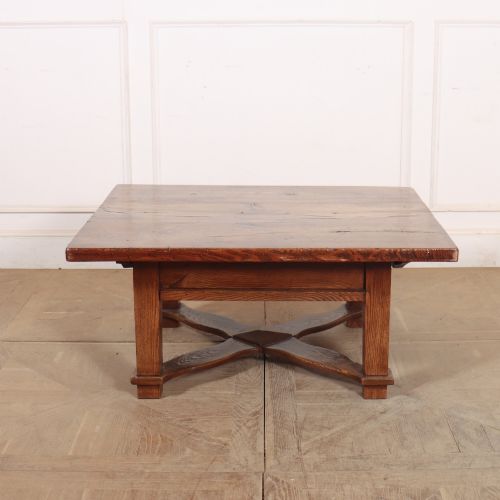
Forms remain resolutely functional, encompassing armchairs, side cabinets, coffee tables, benches, side tables, stools, and centre tables. Each object relies on the inherent strength of the timber to support daily use.
How solid elm furniture was made
Makers utilised solid elm alongside supporting timbers such as ash, beech, and oak to construct durable frames and surfaces. The timber was frequently combined with fabric elements in upholstered seating or left as a live edge on rustic stools.
Joinery methods reflect traditional country workshop practices, prioritising structural stability over ornate decoration. Surfaces display the natural grain patterns characteristic of the wood, shaped into cross bases, turned legs, and panelled doors.
Solid Elm Furniture Retail Price Guide 2026
Typical asking prices for solid elm furniture among the pieces listed under this phrase on Sellingantiques today, from the lower quarter to the upper quarter. They describe what is for sale here now, not the wider market.
Object forms range from cricket tables and side cabinets to Swedish neoclassical armchairs and live edge stools.
What varies in quality
Quality rests upon the selection and figuring of the timber, alongside the integrity of the original construction. Pieces exhibiting thoughtful regional proportion and harmonious secondary woods command greater regard from collectors.
Proportion and stylistic cohesion distinguish simpler utilitarian items from more refined country house or neoclassical commissions. The preservation of untouched surface patination further elevates an individual piece.
Whytock and Reid
The Solid Elm Furniture Glossary
- Cricket table
- A small, light table traditionally featuring three splayed legs designed for stability on uneven floors. This form was widely utilised in domestic settings.
- Vernacular country
- A style born from local traditions and practical requirements rather than formal architectural treatises. These pieces employ regional materials and straightforward construction methods.
- Live edge
- A method of incorporating the natural irregular contour of the tree trunk into the edge of a board. This technique highlights the organic form of the timber.
- Cross base
- A support structure formed by intersecting members beneath a table top. This configuration provides robust stability for centre tables.
Solid Elm Furniture: Frequently Asked Questions
What is solid elm furniture?
Solid elm furniture consists of seating, tables, and cabinets constructed primarily from the durable timber of the elm tree. These items reflect regional traditions across Britain and continental Europe.
Craftsmen valued the wood for its resilience and twisting grain, which resisted splitting during daily use.
How do I care for solid elm furniture?
Protect the timber from direct sunlight and sudden humidity changes to prevent movement in the grain. Dust regularly with a dry cloth and avoid harsh chemical polishes.
Applying a traditional beeswax occasionally helps nourish the surface and maintain the natural patination.
Are these pieces purely decorative?
These items were built for daily utility in domestic and country environments, from kitchen seating to tavern tables. Their sturdy construction ensures they remain entirely functional today.
Collectors integrate them into contemporary interiors as practical furniture with historical depth.
How can I tell the period?
Dating relies on construction methods, tool marks, timber preparation, and stylistic cues unique to specific eras. Eighteenth-century examples often display simpler joinery compared to later revival pieces.
Comparing regional characteristics helps narrow down the century of manufacture.