




Snake Jewelry
Snake jewellery antique brings together coiled serpents and entwined reptiles rendered in precious metals and gemstones to signify eternity.
Snake Jewelry
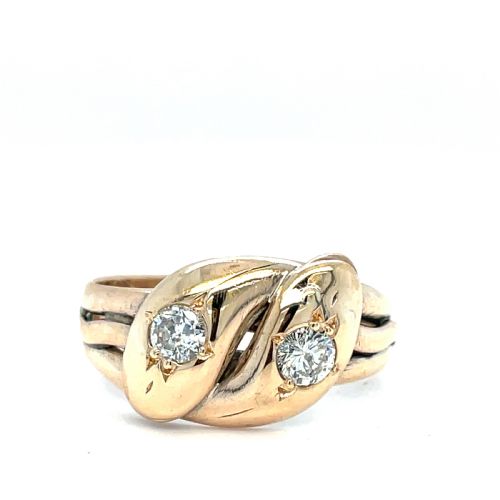
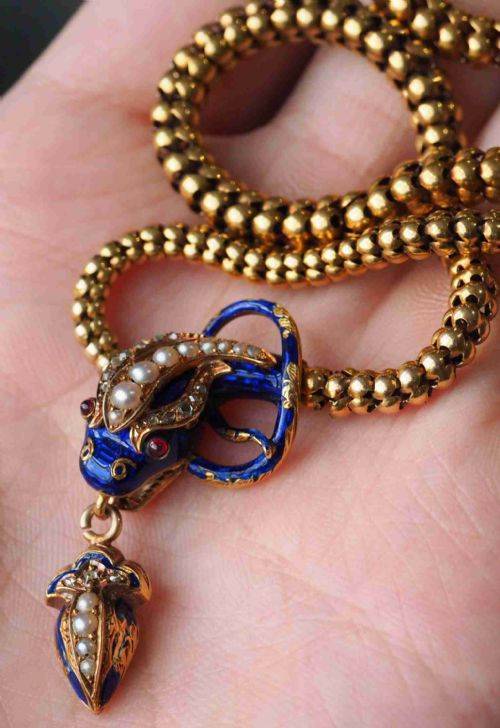
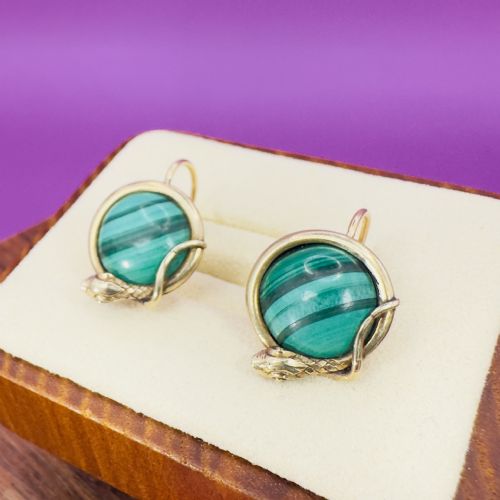
Snake jewellery antique encompasses rings, bangles, necklaces, brooches, earrings, and pendants shaped as serpents from the Victorian, Edwardian, Georgian, and Art Deco periods. Buyers seeking these items encounter coiled ring designs most frequently, often featuring twin heads or single bodies wrapped around the finger.
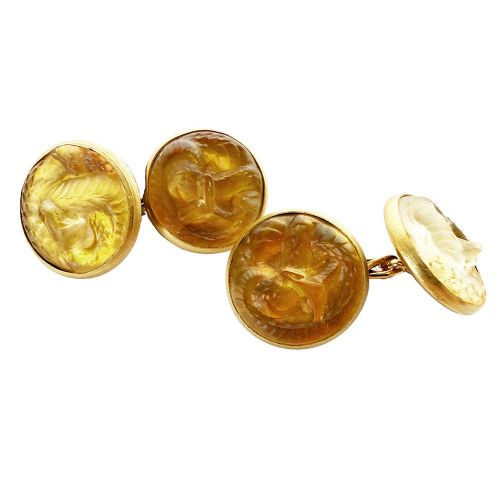
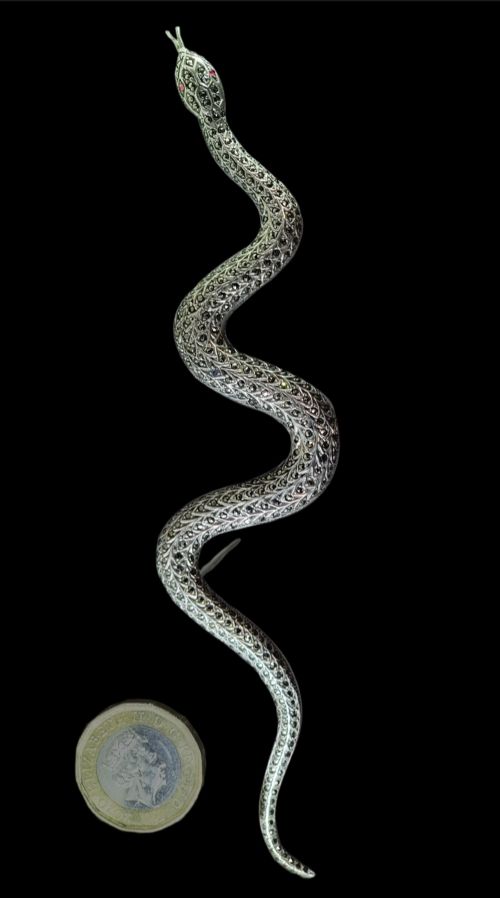
The objects span multiple centuries of craftsmanship, drawing on symbolic traditions of eternal love and wisdom. Pieces range from heavy 18ct gold bands set with diamonds to delicate silver and marcasite brooches or glass cufflinks.
Origins stretch across British and continental European workshops, incorporating gemstones such as rubies, sapphires, garnets, pearls, and malachite into the serpent motifs. The assortment on this page reflects distinct eras where the reptile symbol held profound personal meaning for the wearer.
Materials and Techniques
Goldsmiths utilised various grades of yellow and rose gold, predominantly 9ct, 15ct, 18ct, and 18K standards, shaping them into flexible mesh chains, solid bangles, and cast ring bands. Metalwork frequently involved detailed engraving to mimic scales, paired with hollow or solid construction depending on the form.
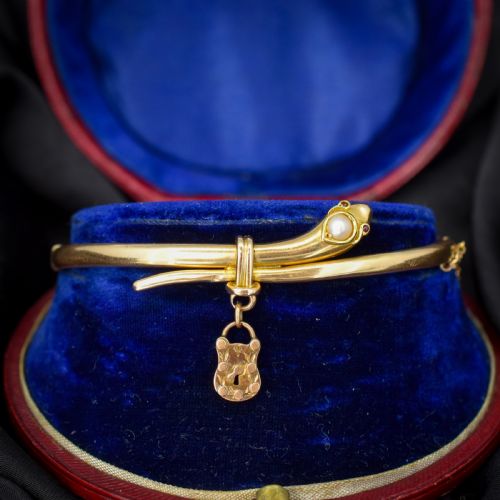
Gemstones were flush-set, bezel-set, or claw-set into the heads and eyes of the serpents, with rose-cut diamonds and cabochon rubies or sapphires being common choices. Enamel work and applied turquoise or pearls further accented the bodies, while specialised glass and hematite appeared in later Art Nouveau and Art Deco designs.
Snake Jewelry Retail Price Guide 2026
Typical asking prices for snake jewelry among the pieces listed under this phrase on Sellingantiques today, from the lower quarter to the upper quarter. They describe what is for sale here now, not the wider market.
The inventory spans the Georgian era, Victorian period, Edwardian years, Art Nouveau movement, and Art Deco styles.
Assessing Quality and Execution
The standard of an antique serpent piece relies heavily on the crispness of the chased scale work and the expressive detail of the head. Superior examples maintain deep, deliberate engraving and secure gem settings that retain their original stones without distortion to the metalwork.
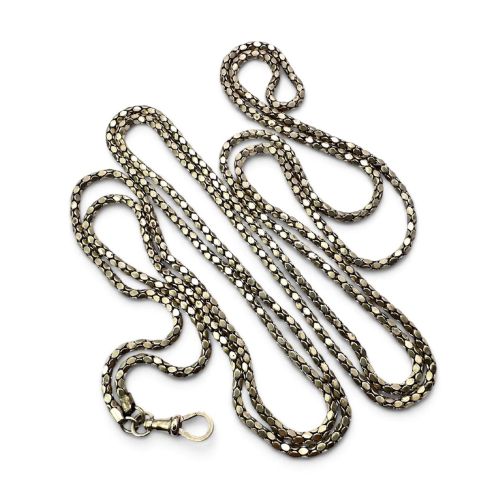
Proportion and structural integrity differentiate finer items, particularly in articulated pieces like longuard chains and flexible snake bracelets. Hallmarks stamped into the gold or silver provide clear validation of origin and date, anchoring the physical quality in verifiable metal standards.
R Lalique·Levinger & Bissinger
The Snake Jewelry Glossary
- Ouroboros
- A symbolic motif depicting a serpent swallowing its own tail, representing eternity and cyclical continuity. This ancient design appears frequently on antique rings and split rings.
- Rose-Cut Diamond
- A diamond cut with a flat base and a domed top consisting of triangular facets. These stones provide a subtle, soft gleam characteristic of nineteenth-century pieces.
- Longuard Chain
- An exceptionally long watch chain worn draped around the neck, often fitted with a clip. These versatile pieces allowed Victorian wearers to suspend various pendants and charms.
- Marcasite
- Small, faceted pieces of iron pyrite set closely together in silver mounts to imitate the sparkle of diamonds. The technique gained wide popularity during the Art Deco period.
Snake Jewelry: Frequently Asked Questions
What does snake jewellery symbolize?
Serpents in nineteenth-century design held deep romantic and protective significance, frequently representing eternal love, wisdom, and rebirth. Queen Victoria popularised the motif after receiving a snake engagement ring featuring an emerald-set head.
This symbolism meant the creatures appeared across all categories of personal adornment, from mourning rings to wedding gifts and everyday tokens of affection.
How can I date my snake ring?
Dating relies on a combination of assay office hallmarks, metal standards, and stylistic cues unique to eras like the Georgian, Victorian, or Edwardian periods. For instance, British items often bear distinct date letters and maker marks stamped inside the band.
Gemstone cutting styles and the specific type of gold, such as 15ct versus modern 18ct, also narrow down the manufacturing decade.
Were these pieces worn every day?
Many antique serpent items served as daily wear, particularly robust gold rings and substantial bangles designed to withstand regular use. Delicate drop earrings and glass or enamel pendants were generally reserved for specific social occasions.
The durability depended largely on whether the body was cast solid or hollow, and whether the stones were securely flush-set into the metal.
How do I care for antique gold snake jewelry?
Preserving these pieces requires gentle cleaning with a soft cloth and warm soapy water, avoiding harsh chemical dips that can damage pearls, turquoise, or enamel. Storing items individually prevents the textured gold scales and gemstone eyes from scratching neighbouring pieces.
Periodic checks by a professional jeweller ensure that old cut diamonds and fragile settings remain secure within their mounts.