




Small Wooden Wall Box
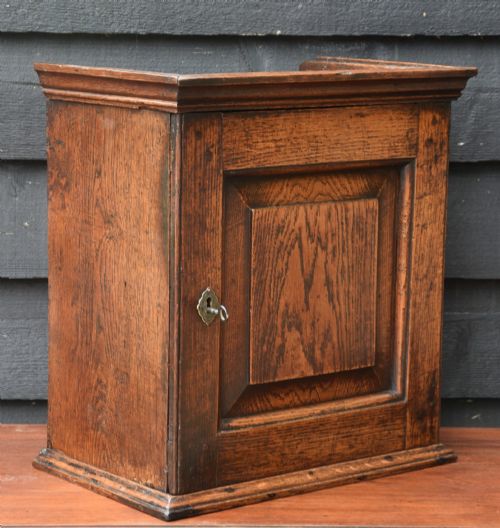
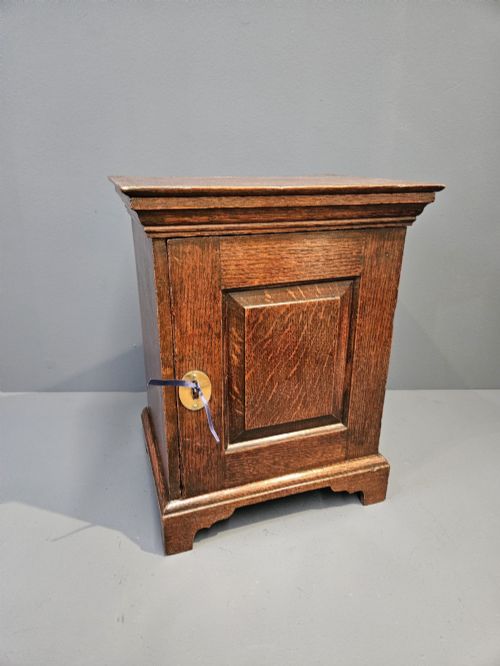
These small wooden wall box pieces are compact timber storage containers designed to hang safely out of the way or sit upon surfaces.
Small Wooden Wall Box
When you search for a small wooden wall box, you encounter a variety of compact timber containers designed to secure keys, spices, or small valuables in domestic spaces. These pieces span several centuries of British craftsmanship, ranging from simple country pine to more formal Georgian and Victorian designs.
The most common forms on this page include wall-hanging spice cupboards, key cabinets, and small lockable boxes. Many feature single doors with brass hinges and hooks, intended for practical daily use in hallways, kitchens, or private chambers.
Origins stretch from early Georgian country workshops through to Victorian production, with several pieces showing robust Arts and Crafts influence. Their dual capacity for wall hanging or table top placement makes them remarkably adaptable for modern rooms.
Materials and construction
Makers relied heavily on native timbers such as oak, pine, and burr walnut, often pairing sturdy structural oak with secondary pine elements in wall hanging spice boxes. Surfaces are frequently enhanced with brass hardware, including decorative hinges, escutcheons, and working locks.
Construction techniques visible across the inventory include panelled doors, pegged joints, and dovetailed carcases tailored for durability. Finer decorative examples incorporate carved elements, glass panels, or velvet linings to protect delicate contents.
Small Wooden Wall Box Retail Price Guide 2026
Typical asking prices for small wooden wall box among the pieces listed under this phrase on Sellingantiques today, from the lower quarter to the upper quarter. They describe what is for sale here now, not the wider market.
Assessing quality in small wooden wall box forms
Quality reveals itself in the selection of timber and the precision of the joinery rather than mere age alone. Higher tier examples utilise figured woods like burr walnut or dense early oak, complemented by hand-cut dovetails and original brass furniture.
Proportion and decorative restraint often separate finer vernacular work from standard utility items. Pieces that retain their original working locks, keys, and interior fittings hold greater integrity than those altered or stripped of their period mountings.
The Small Wooden Wall Box Glossary
- Escutcheon
- A protective plate surrounding a keyhole, usually fashioned from brass on these cabinets. It guards the surrounding wood from wear caused by the key.
- Spice cupboard
- A small wall mounted timber cabinet historically used for storing costly culinary spices, featuring multiple internal drawers or shelves. They date predominantly from the seventeenth and eighteenth centuries.
- Key cabinet
- A specialist wall box fitted with internal hooks designed specifically to organise and secure domestic or institutional keys. They frequently feature glazed or solid wooden doors with working locks.
- Burr walnut
- A highly prized timber grain obtained from the wart-like growths on walnut trees, prized for its swirling patterns. It appears on finer Victorian and Georgian decorative containers.
- Arts and Crafts
- A design movement promoting traditional craftsmanship and simple forms, visible in several of the oak pieces listed here. This style rejects heavy industrial ornamentation in favour of honest construction.
Small Wooden Wall Box: Frequently Asked Questions
What were small wooden wall box items used for?
These compact containers served practical storage roles in historic homes, holding valuable spices, keys, or small personal documents safely away from dampness and theft.
Their secure doors and wall-hanging capabilities kept important items organised and accessible within busy household kitchens, hallways, or private studies.
How can I tell a Georgian box from a Victorian one?
Georgian examples often display simpler, robust timber construction with pegged joints and early brass H-hinges typical of eighteenth-century country workshops.
Victorian pieces frequently introduce richer veneers like burr walnut, machine-cut details, or specific stylistic revivals such as Arts and Crafts or Dutch influences.
Can these cabinets sit on a table instead?
While many are designed specifically to hang on walls, several variations function equally well as table top display cabinets or desk boxes.
Check the base and back construction to ensure the piece sits level and stable if you choose to place it on a sideboard or table.