




Small Wooden Vanity
A small wooden vanity brings compact craft to a corner, offering a tidy mirror or surface for daily grooming.
Small Wooden Vanity
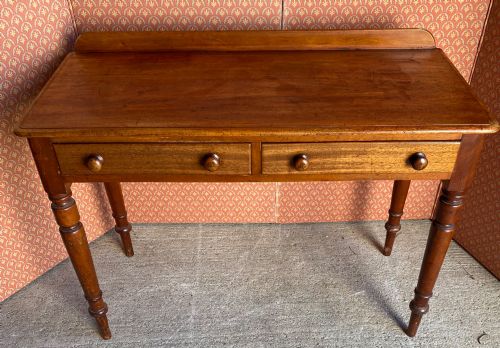
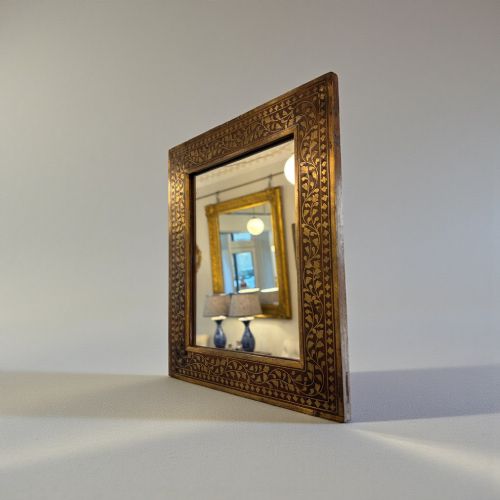
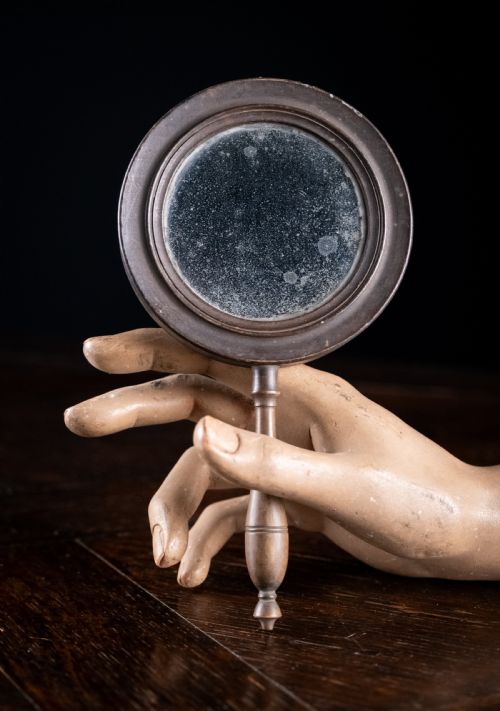
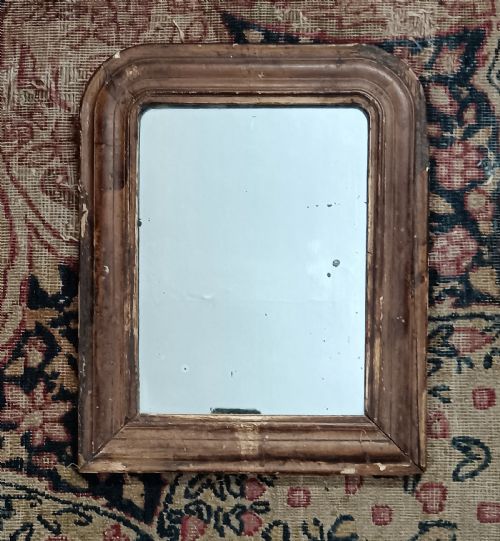
A small wooden vanity encompasses compact mirrors, shaving stands, desks and cabinets built from timber across the eighteenth, nineteenth and early twentieth centuries. These pieces serve domestic spaces by combining utility with fine cabinet work.
The selections here span periods from the Georgian era through the Victorian years and into nineteen hundred, showing regional variations including Anglo-Indian, French Louis Philippe, and Japanese Meiji styles. Buyers encounter everything from wall mirrors to small walnut stools and desks.
Most items on this page lean towards mirrors, decorative boxes, and small seating or writing furniture rather than monolithic dressing tables. Mahogany, walnut, oak, and ebony form the backbone of these pieces.
Materials and construction
Cabinet makers utilised dense hardwoods such as mahogany, walnut, and kingwood, often enhanced with boxwood inlay, brass details, and glass mirror plates. Surfaces frequently show careful polishing or black lacquering.
Construction methods rely on traditional joinery suited to smaller scales, integrating carved ornamentation, boxwood stringing, or brass inlay work. Rush seating appears on simpler wooden stools alongside upholstered textile tops.
Small Wooden Vanity Retail Price Guide 2026
Typical asking prices for small wooden vanity among the pieces listed under this phrase on Sellingantiques today, from the lower quarter to the upper quarter. They describe what is for sale here now, not the wider market.
Listings feature items from the eighteenth, nineteenth, and early twentieth centuries, utilising walnut, mahogany, brass, and glass.
Quality and execution
Quality rests upon the crispness of the timber carving, the precision of boxwood or brass inlay, and the integrity of the original wood grain. Superior examples display balanced proportions and refined surface finishing without heavy restoration.
Finer pieces maintain original glass plates, intact joinery, and matching hardware, whereas simpler utility items rely on straightforward construction and plain timber surfaces.
The Small Wooden Vanity Glossary
- Shaving stand
- A specialist furniture piece designed for personal grooming, usually incorporating an adjustable mirror, small drawers, and a surface for shaving equipment. These date predominantly to the Victorian period.
- Kneehole desk
- A compact writing desk featuring a central recess for the legs flanked by pedestals of small drawers. They offer practical surface space in smaller rooms.
- Louis Philippe
- A mid-nineteenth-century French style characterised by restrained curves, unpretentious elegance, and rich timber veneers such as kingwood. It avoids the heavy ornamentation of earlier court styles.
- Boxwood inlay
- A decorative technique where thin strips of pale boxwood are fitted into recesses cut into darker wood surfaces. It creates sharp geometric borders or floral motifs.
- Meiji Period
- An era in Japanese history spanning from eighteen sixty-eight to nineteen twelve, known here through black lacquered table cabinets and decorative works. Craftsmanship during this time focused on meticulous surface finishes.
Small Wooden Vanity: Frequently Asked Questions
What is a small wooden vanity?
A small wooden vanity covers a range of compact antique furnishings including tabletop mirrors, shaving stands, and small writing desks. They are built from timbers like mahogany, walnut, and oak.
These pieces were designed for personal grooming or writing in bedrooms and dressing rooms, offering functional storage on a modest scale.
How do I date a wooden vanity?
Dating relies on identifying the prevailing style, construction methods, and timber species associated with periods like the Georgian, Victorian, or Edwardian eras. Hand-cut dovetails and specific inlay types often point to particular decades.
Examining secondary woods and mirror plate characteristics also helps establish the approximate age of the piece.
Where were these pieces used?
They were primarily used in bedrooms, dressing rooms, and private chambers for grooming, writing, or storing small personal keepsakes. Their compact dimensions suited them for intimate domestic spaces.
Today, buyers place them on dressing chests, hall tables, or use them as functional accent pieces in modern interiors.
Are all small wooden vanities antique?
The items featured on this page date from the eighteenth, nineteenth, and early twentieth centuries, encompassing periods such as Regency and Victorian.
Each piece reflects the hand skills and material availability of its specific historical era, distinguishing antique items from modern reproductions.