



Small Wooden Holder
These small wooden holder pieces offer neat desktop or wall organisation, bringing compact utility and period character to everyday spaces.
Small Wooden Holder
A small wooden holder serves practical domestic and desk roles, appearing across the Victorian, Edwardian, and 1930s periods in forms such as book troughs, nib boxes, and taper candlesticks. Buyers searching for a small wooden holder encounter diverse utilitarian objects constructed from timber, designed to corral books, keys, or writing implements in compact spaces.
The selections span simple treen items like taper candlesticks alongside more elaborate hall stands, key cupboards, and music cabinets. Many examples originate from British domestic contexts, though carved hardwood brush pots from the Qing Dynasty also appear within the wider variety.
How they were made
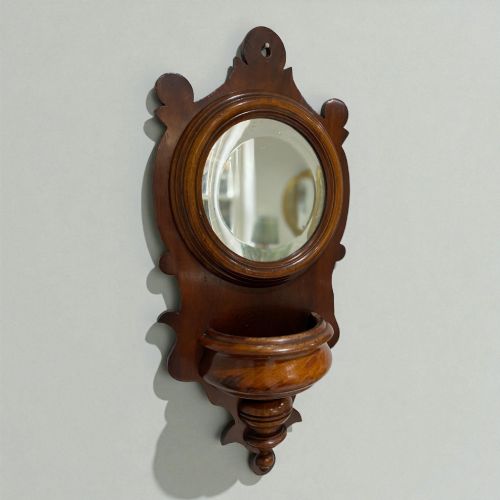
Cabinet makers utilised dense hardwoods such as mahogany, walnut, and oak, often shaping them through traditional joinery and turning techniques. Metal brass fittings and glass elements frequently complement the wooden structures, appearing on key cabinets, wall mirrors, and hall stands.
Surface treatments range from plain polished finishes to intricate carved details and inlaid decoration, particularly on Edwardian music cabinets and Chinese hardwood brush pots.
Small Wooden Holder Retail Price Guide 2026
Typical asking prices for small wooden holder among the pieces listed under this phrase on Sellingantiques today, from the lower quarter to the upper quarter. They describe what is for sale here now, not the wider market.
One listed nib box originates specifically from the house of John Knox, adding a named historical provenance to a tiny wooden desk accessory.
What varies in quality
Quality rests upon the selection of timber and the precision of the joinery, distinguishing straightforward utilitarian pieces from finer decorative furnishings. Finer examples display thoughtful grain matching, careful inlay work, and integrated brass hardware that remains secure and well-fitted.
The depth and crispness of carved ornamentation separate standard items from superior pieces, particularly in treen and hardwood brush pots where hand-tool work dictates the finished character.
The Small Wooden Holder Glossary
- Treen
- Small handmade wooden objects for domestic use. This term covers items like the taper candlesticks seen in these listings.
- Book trough
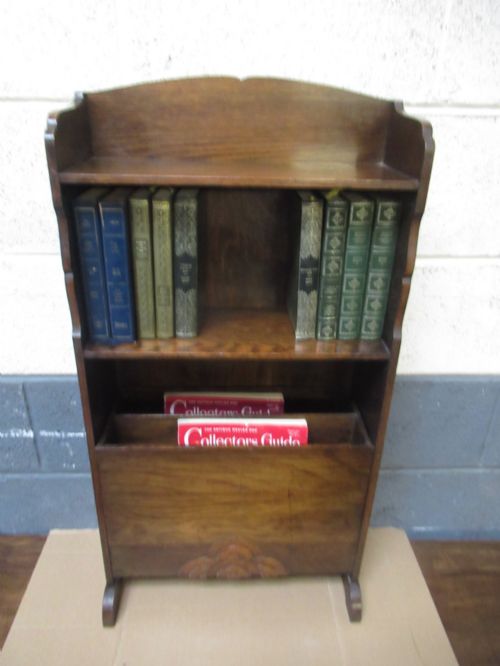
- A small desktop stand designed to hold a handful of upright volumes. These troughs often feature mahogany or oak construction.
- Brush pot
- A cylindrical vessel used in East Asian traditions for holding calligraphy brushes. The carved hardwood brush pot from the Qing Dynasty represents this form.
- Hall stand
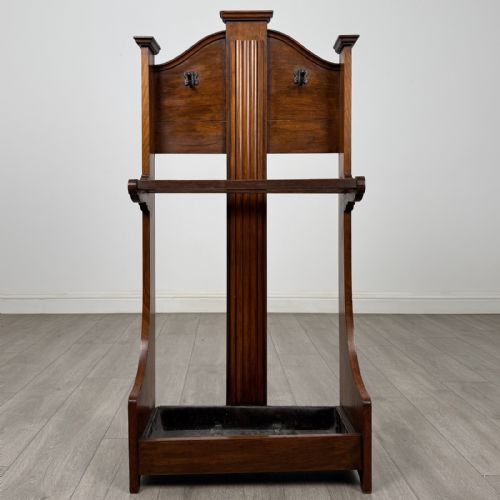
- A piece of furniture placed near an entrance to hold coats, umbrellas, and hats. Edwardian walnut examples combine mirrors with wooden hooks.
- Inlay
- A technique where contrasting materials are embedded into the wood surface to form decorative patterns. Edwardian music cabinets frequently employ this method.
Small Wooden Holder: Frequently Asked Questions
What were small wooden holder items used for originally?
These pieces served specific organisational tasks in Victorian and Edwardian homes, from storing keys and writing nibs to holding books and sheet music. Their compact sizes suited hallways, desks, and smaller sitting rooms where space was at a premium.
Over time, many of these utilitarian objects transitioned into decorative accessories while retaining their original structural compartments.
Are these holders suitable for daily use?
Many of these items remain robust enough for contemporary desktop or hallway use, holding keys, post, or small books just as they did originally. Care should be taken with delicate treen or carved surfaces to preserve the aged finish.
Placing them away from direct heat sources helps protect the antique timber and glued joints from drying out.
What is the difference between treen and other wooden items?
Treen specifically refers to small, functional wooden objects created by turning on a lathe or through hand carving. Unlike larger case furniture, treen focuses on portable domestic items like candlesticks and small boxes.
Collectors prize treen for its tactile quality and the visible tool marks left by early makers.