

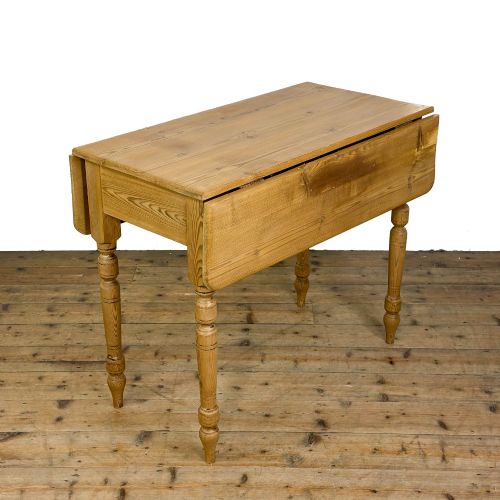
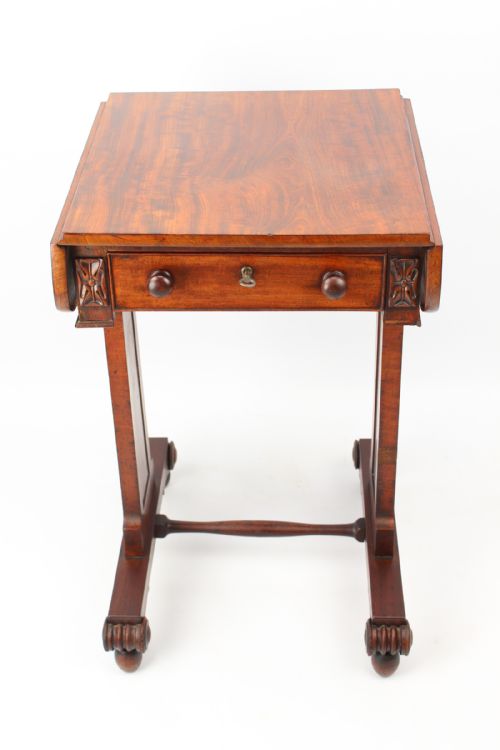


Small Wooden Flap Table
A small wooden flap table offers clever space-saving flexibility through hinged leaves, combining rich timber grain with practical folding charm.
Small Wooden Flap Table
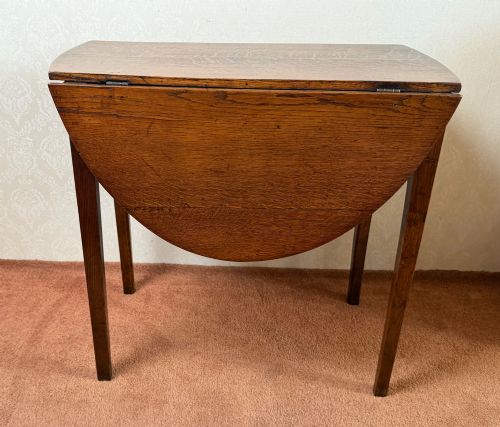
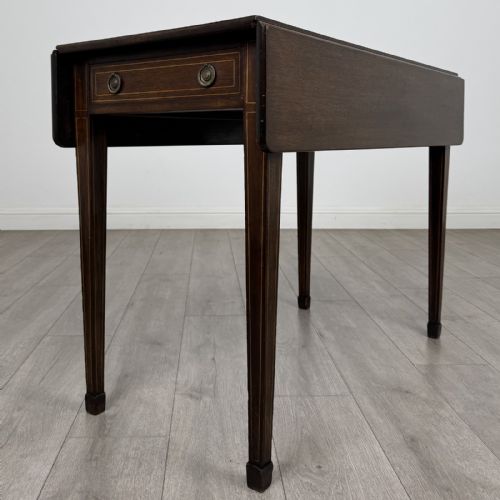
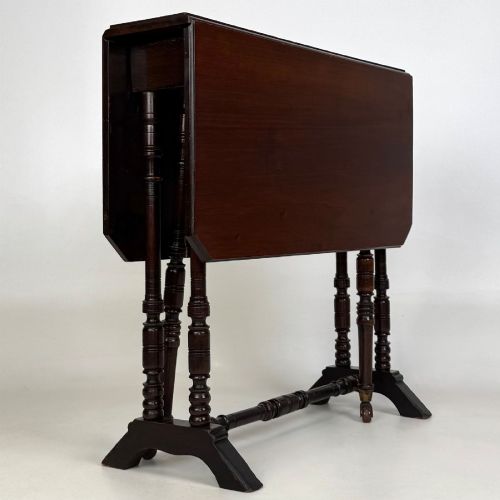
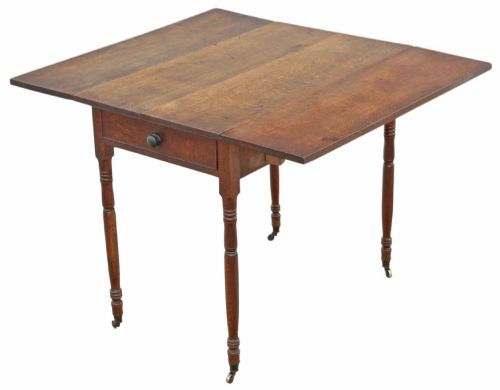
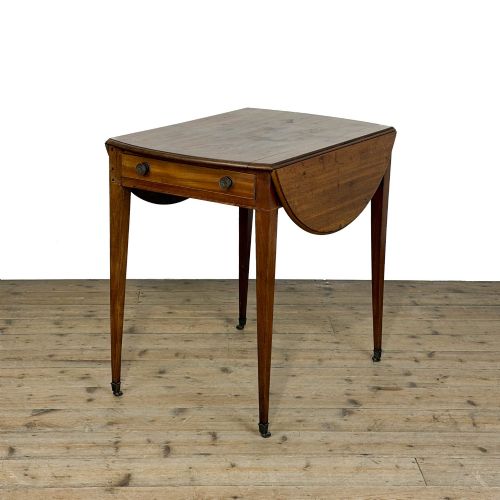
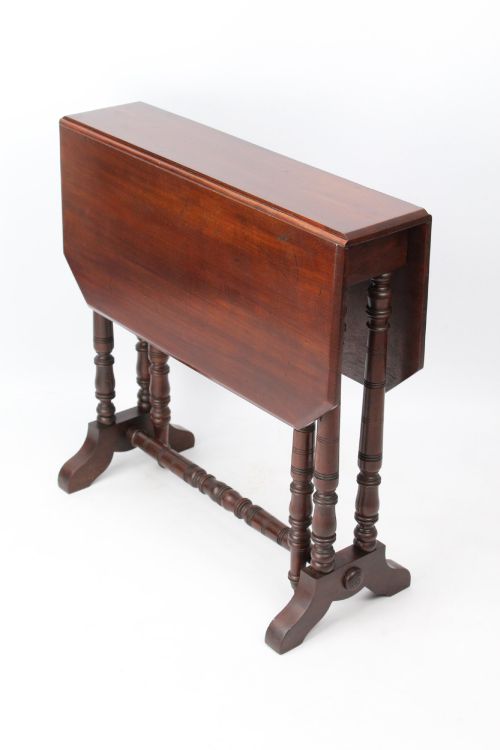
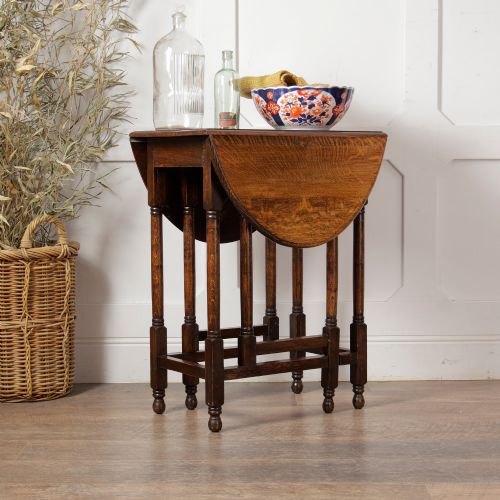
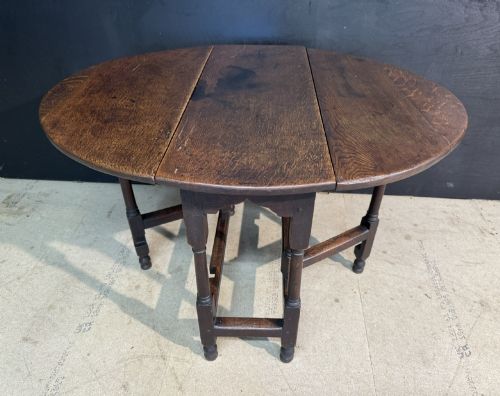
A small wooden flap table is a versatile surface designed to expand or contract using hinged leaves, serving various domestic needs across different eras. These practical items appear primarily as Pembroke tables, Sutherland tables, gateleg tables, and drop-leaf occasional pieces.
The selections available here span from the 18th century through the Georgian, Victorian, and Edwardian periods up to the 1920s. Buyers will most frequently encounter mahogany and oak examples, alongside walnut, burr walnut, fruitwood, pine, satinwood, and rosewood constructions.
Makers utilised these folding tables in multiple room settings, from kitchen dining spaces to refined lamp tables and games tables. The forms adapt easily to smaller rooms by dropping their leaves against a wall or sofa.
How they were made
Cabinetmakers constructed these tables using dense hardwoods like mahogany, oak, and walnut, frequently selecting finely figured timbers for the primary surfaces. Secondary materials such as boxwood, brass, and ceramic appear in fine inlay work, castors, and structural supports.
Joinery techniques focused on stability, utilising turned legs, gateleg actions, and hinged flap supports to bear weight when the leaves were raised. Marquetry, inlay, and polished finishes enhanced the visual appeal of the timber surface while protecting the wood.
Small Wooden Flap Table Retail Price Guide 2026
Typical asking prices for small wooden flap table among the pieces listed under this phrase on Sellingantiques today, from the lower quarter to the upper quarter. They describe what is for sale here now, not the wider market.
Current listings feature timber constructions spanning mahogany, oak, walnut, and fruitwood across Georgian, Victorian, and Edwardian periods.
What varies in quality
The refinement of the timber figure and the precision of the turning on the legs separate standard examples from finer pieces. Superior items display harmonious proportions, seamless leaf joints, and sophisticated decorative elements such as marquetry or fine inlay.
The complexity of the mechanism, whether a subtle spider leg frame, a sturdy gateleg action, or a slim Pembroke drawer, dictates the structural sophistication. Better examples maintain rigid stability when the flaps are extended, showing careful attention to hinge placement and joinery.
Gillow
The Small Wooden Flap Table Glossary
- Pembroke table
- A small rectangular table with two hinged drop leaves on opposing sides, often containing a single drawer. This form emerged in the 18th century and remained popular through the Victorian era.
- Sutherland table
- A narrow drop-leaf table where the leaves comprise a large portion of the top, supported by swinging gate legs. The design allows the table to fold into an extremely compact footprint.
- Gateleg table
- A table with hinged leaves supported by legs that swing outward like a gate. This traditional construction provides sturdy support for the extended flaps.
- Marquetry
- The art of applying decorative pieces of veneer to a structure to form intricate patterns and pictures. It appears on select tabletops to create elaborate surface designs.
- Drop flap
- A hinged section of a table top that lowers when not in use. This mechanism reduces the overall surface area of the furniture.
Small Wooden Flap Table: Frequently Asked Questions
What is a Pembroke table?
A Pembroke table is a compact design featuring two hinged side flaps and typically a small drawer underneath. It functions well as a movable side table or breakfast surface.
First developed in the 18th century, the style persisted through the Regency and Victorian periods with various leg treatments.
How do Sutherland tables work?
Sutherland tables use a narrow central drop leaf supported by pivoting gate legs that swing out from beneath the frame. When folded down, the leaves hang almost vertically to save maximum floor space.
Victorian and Edwardian makers produced these frequently in mahogany and walnut for occasional parlour use.
Where should I place a flap table?
These pieces fit naturally beside a sofa, against a hallway wall, or as an occasional lamp table in a sitting room. Dropping one or both leaves allows the furniture to adapt to tight spaces.
Kitchen variants also serve well as auxiliary dining surfaces in compact eating areas.
How can I tell the period of the wood?
Early pieces from the 18th century often utilise solid oak or heavy mahogany with hand-turned timber components and straightforward structural joinery. Later Victorian and Edwardian examples incorporate refined turning, lighter mahogany, or decorative inlay.
Examining the grain, hardware, and secondary woods helps determine whether a piece belongs to the Georgian era or later revivals.