




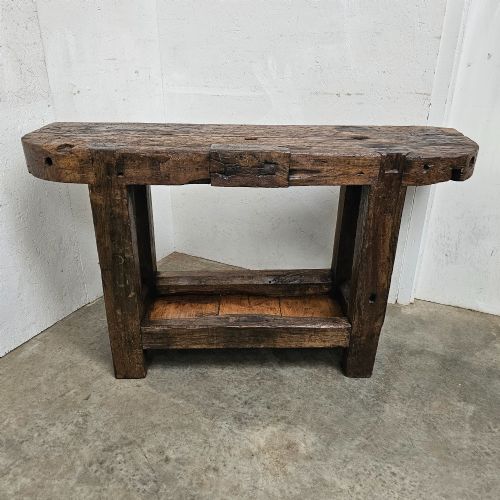
Small Wooden Console
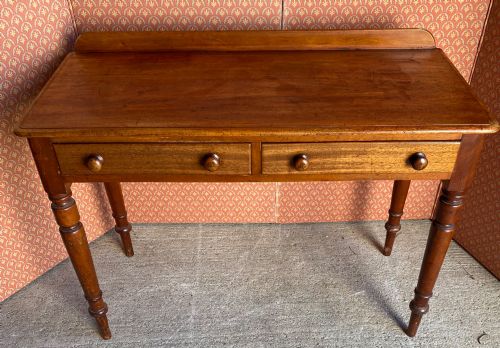
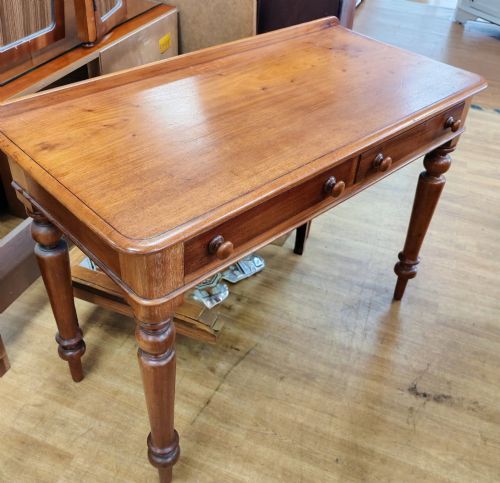
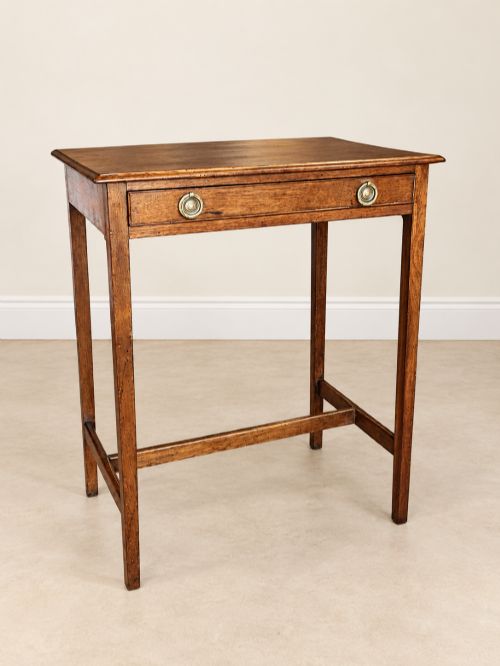
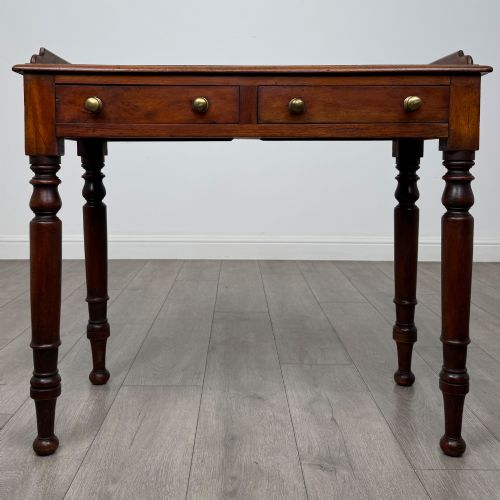
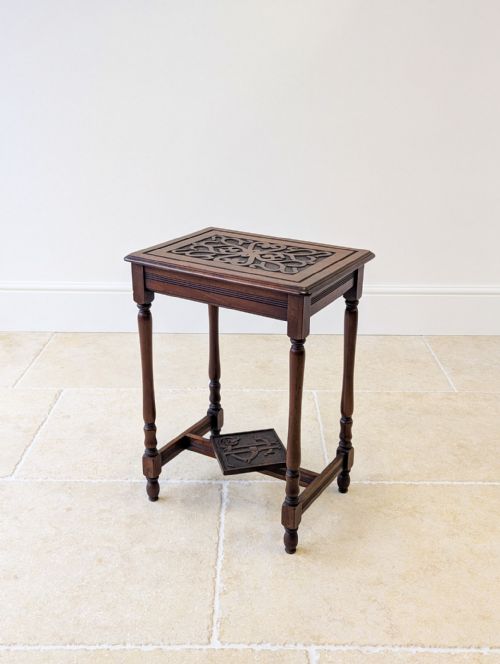
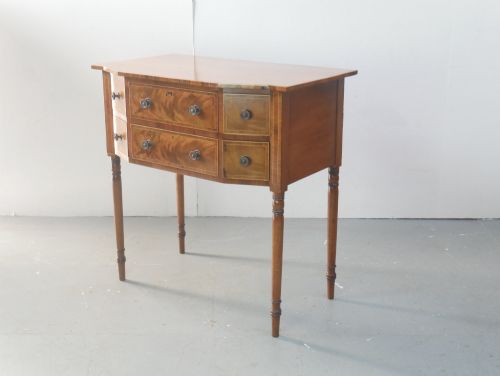
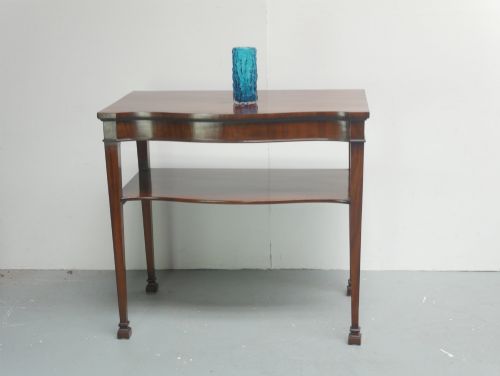
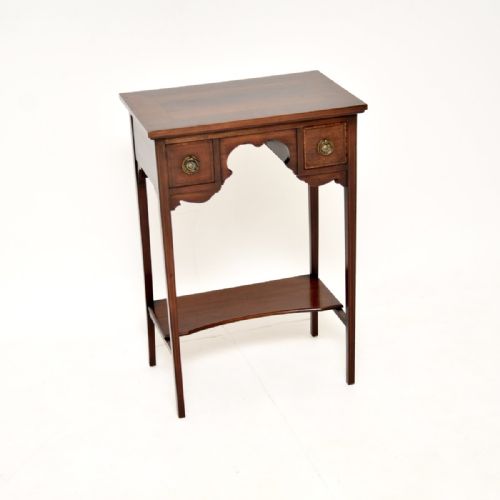
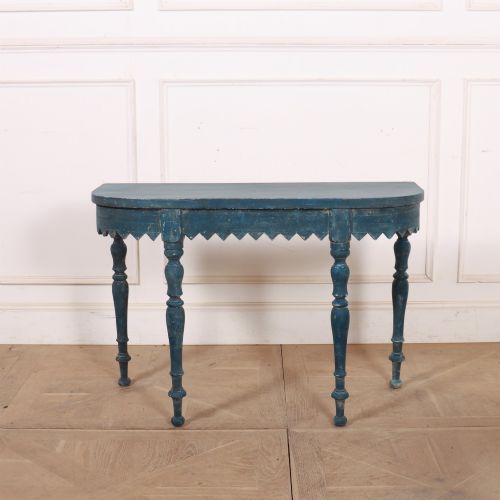
These small wooden console tables provide compact surface area and surface drawer storage in tight hallways and reception spaces.
Small Wooden Console
A small wooden console sits against a wall in a hallway, drawing room, or reception space to hold decorative items or correspondence. When you search for this phrase, you meet side tables, console tables, and narrow writing desks dating from the Georgian, Victorian, and Edwardian periods.
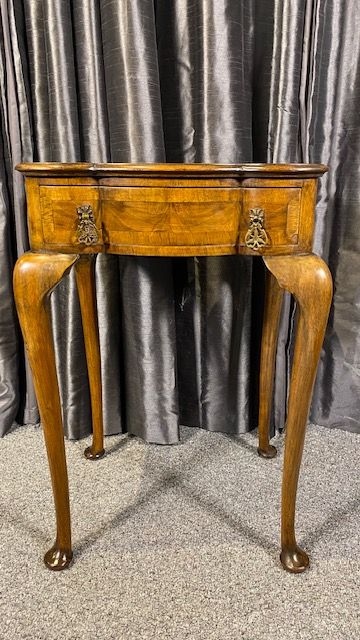
The pieces on this page appear most frequently in mahogany, oak, and walnut, taking forms such as bow ends, demi-lune shapes, and lowboys with single drawers. These compact formats suit narrow circulation spaces where deeper furniture blocks movement.
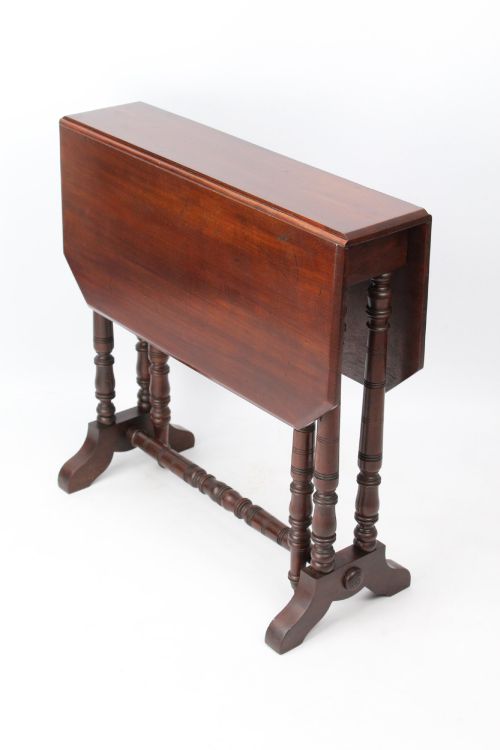
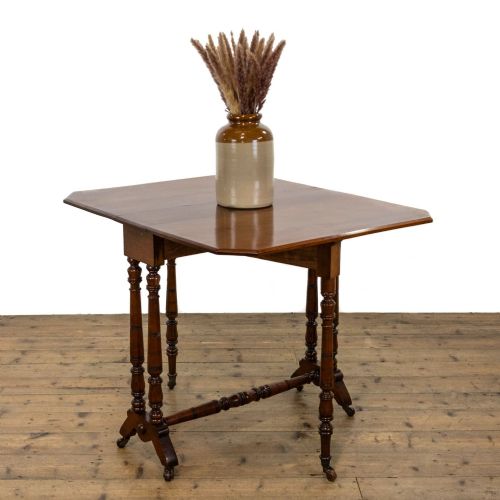
Origins range from English country workshops to formal metropolitan cabinet makers, with occasional French and Chinese provincial elm examples providing alternative woods. Drop leaf tables and Sutherland tables also appear within this group, offering folding leaves for adaptable surface space.
How they were made
Cabinet makers constructed these tables primarily in solid mahogany, oak, and walnut, often applying veneers of satinwood or mahogany over secondary woods for decorative effect. Brass handles, castors, and gallery rails provide functional metal accents on drawer fronts and table tops.
Joinery techniques include hand-cut dovetails for drawer construction and mortise and tenon joints for frames and legs. Surfaces finish with polish or wax applied over fruitwood, alder, elm, or rosewood, highlighting the natural grain patterns of each timber.
Small Wooden Console Retail Price Guide 2026
Typical asking prices for small wooden console among the pieces listed under this phrase on Sellingantiques today, from the lower quarter to the upper quarter. They describe what is for sale here now, not the wider market.
Listings span the Georgian, Victorian, and Edwardian periods, utilising mahogany, oak, walnut, satinwood, and brass across side table and console formats.
What varies in quality
The refinement of the timber selection and the precision of the joinery separate standard examples from finer pieces. Figured mahogany or matched walnut veneers indicate a maker who prioritised visual harmony across the top and drawer fronts.
Structural integrity depends on the tightness of the frame joints and the smooth sliding action of drawers within their apertures. Original brass hardware, crisp carving on legs or spade feet, and undisturbed timber patination elevate an individual table.
The Small Wooden Console Glossary
- Demi-lune
- A half-moon shape used for console tables designed to stand flat against a wall. This form saves floor space in narrow hallways.
- Lowboy
- A small oak or mahogany table with one or more rows of drawers, originating in the early period. They serve as compact writing or side desks.
- Sutherland table
- A narrow drop-leaf table with hinged leaves that fold down nearly vertically. It rests on folding legs connected by a central gate.
- Bow end
- A convex curved front edge on a table or cabinet. This shaping softens the corners of furniture placed in circulation routes.
- Pembroke table
- A table with hinged leaves on either side and a drawer beneath the top. The design allows the surface area to expand or contract.
Small Wooden Console: Frequently Asked Questions
Where should I place a small wooden console?
These tables fit well in narrow hallways, landings, or behind sofas where floor space is limited. Their shallow depth allows clearance in busy thoroughfares without obstructing movement.
They also function as writing surfaces or lamp tables in reception rooms, providing a supportive top for daily use while holding small items in a drawer.
How do I identify a Georgian console table?
Georgian pieces generally feature solid mahogany or oak timbers with hand-cut dovetails and restrained proportions. Look for straight or cabriole legs without excessive ornamentation, reflecting the design priorities of the eighteenth century.
Later revival pieces from the twentieth century often copy these forms but reveal machine-cut joinery and different secondary woods upon closer inspection.
Can I use a drop leaf table as a console?
Drop leaf tables function effectively against a wall with one or both leaves dropped. This setup creates a narrow surface similar to a dedicated console table.
Raising the leaves transforms the piece into an occasional table for dining or writing when extra surface area is required.
What woods were commonly used?
Mahogany, oak, and walnut dominate the construction of these tables across the Georgian, Victorian, and Edwardian eras. Elm, fruitwood, and rosewood appear in specific provincial or occasional table formats.
Satinwood and brass frequently provide decorative contrast through stringing inlay and hardware details.