




Small Wooden Buffet
A small wooden buffet brings compact storage and rich timber grain to dining rooms and hallways alike.
Small Wooden Buffet
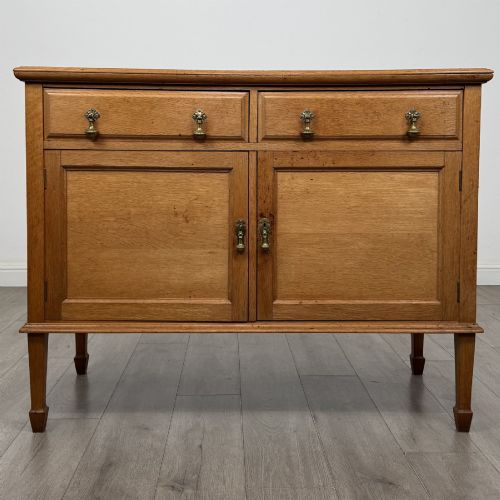
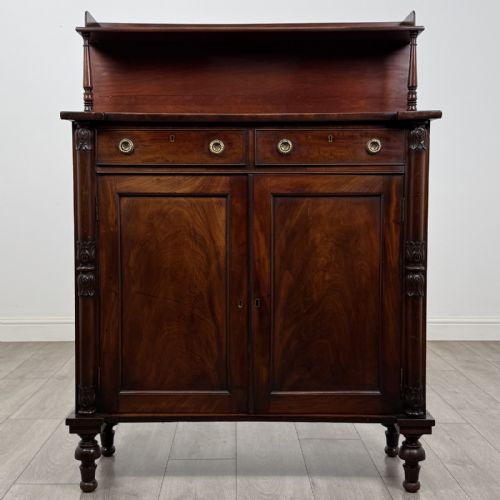
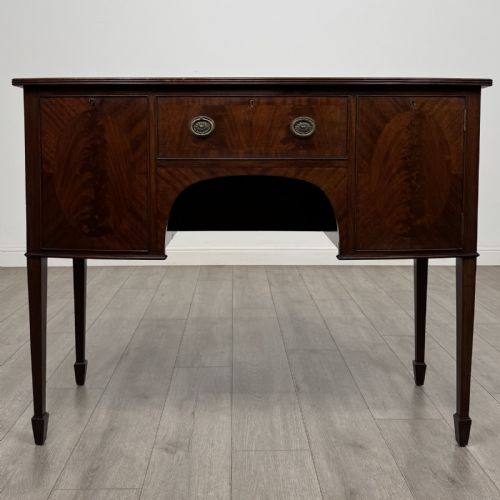
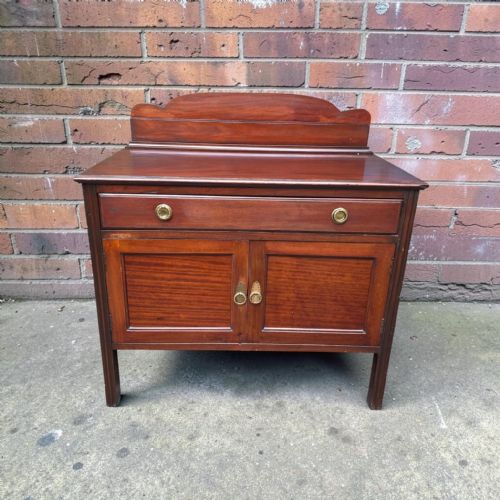
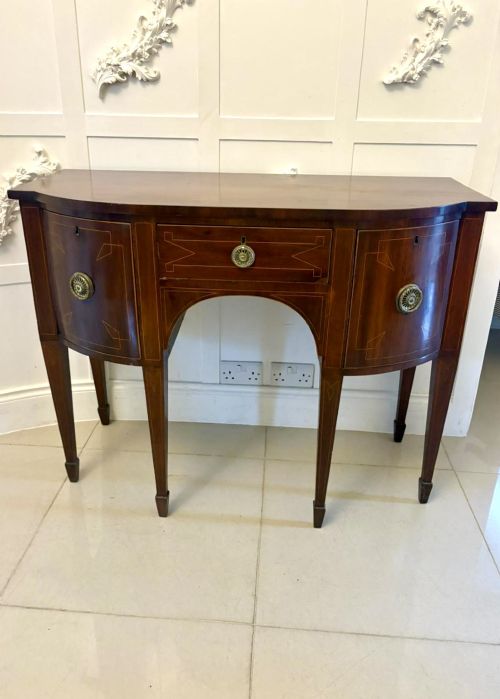
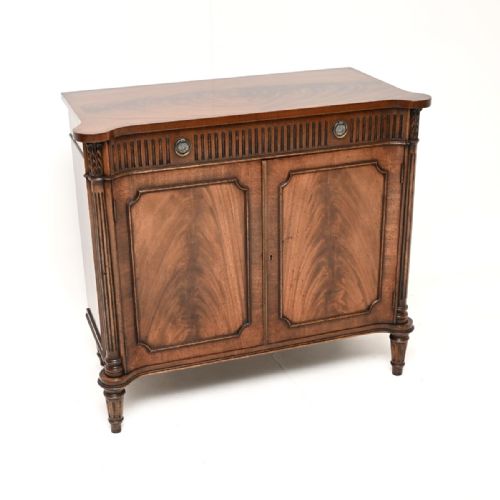
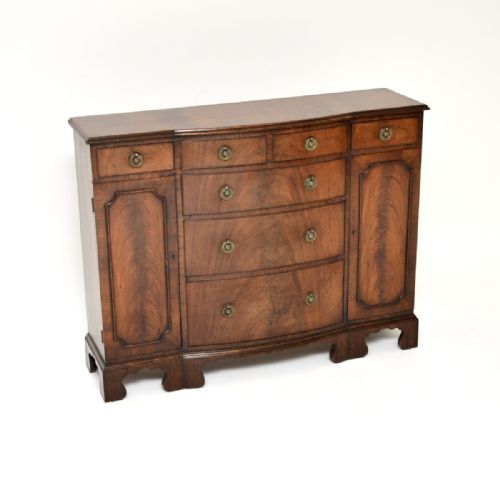
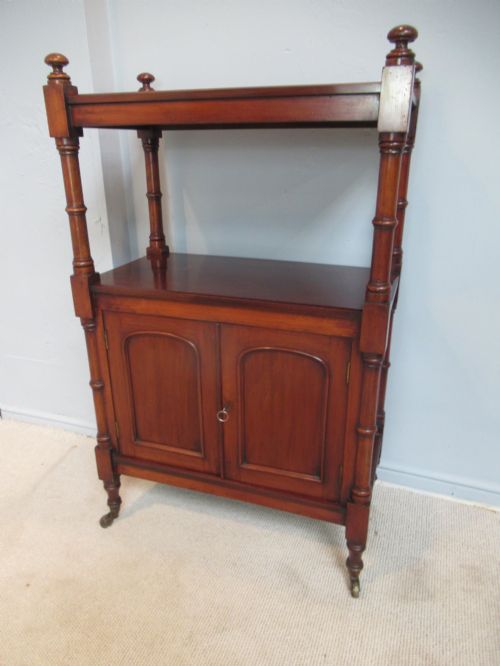
A small wooden buffet serves as a compact storage unit for dining rooms, hallways, and living spaces, offering surface display alongside enclosed shelving. When searching for a small wooden buffet, buyers encounter diverse forms ranging from Georgian bowfronts and Regency sideboards to Victorian chiffoniers and Art Deco cabinets.
The pieces on this page span several centuries, with prominent representation from the Georgian, Regency, and Victorian periods alongside later Edwardian and Art Deco examples. Mahogany remains the dominant timber, though walnut, oak, satinwood, pine, and cherry also appear across different regional workshops and eras.
Most listings function as sideboards, cupboards, or chiffoniers, often featuring two doors, decorative brass hardware, or mirrored backs depending on the period. Proportions tend to be notably neat, catering to rooms where floor space is limited but traditional cabinetry is desired.
How they were made
Cabinet makers constructed these pieces using solid timbers and decorative veneers such as mahogany, walnut, and satinwood, frequently enhanced by contrasting stringing and inlays. Structural elements often rely on oak and pine, providing sturdy internal framing for doors, drawers, and shelving.
Surface finishing involved hand-applied waxes and polishes that highlighted the natural grain patterns of the wood. Metal components like brass handles, escutcheons, and hinges were cast and fitted by hand, while glass doors and mirrored backs appeared on select Victorian and Edwardian iterations.
Small Wooden Buffet Retail Price Guide 2026
Typical asking prices for small wooden buffet among the pieces listed under this phrase on Sellingantiques today, from the lower quarter to the upper quarter. They describe what is for sale here now, not the wider market.
The listings span eight distinct eras, from 18th-century Georgian pieces through to 1930s Art Deco and pine designs.
What varies in quality
The refinement of the timber selection dictates much of the distinction between pieces, with figured mahogany and finely matched veneers marking out the superior examples. Expert joinery, such as well-fitted drawer linings and crisply executed crossbanding or stringing, demonstrates the maker's hand.
Proportion and restraint in ornament separate the more sophisticated designs from utilitarian storage. Pieces that maintain balanced scale and clean architectural lines without excessive bulk represent the higher standard of period craftsmanship.
The Small Wooden Buffet Glossary
- Bowfront
- A curved cabinet front that swells outward in the centre, common in Georgian and Regency sideboards. This shape softens the profile of the furniture while increasing internal depth.
- Chiffonier
- A low sideboard or cabinet, popular during the Regency and Victorian eras, often featuring a raised shelf or mirror back. It typically combines enclosed lower cupboards with display space above.
- Stringing
- Thin inlay lines of contrasting timber used to outline drawers, doors, and tabletops. This delicate decorative technique highlights the geometric form of the furniture.
- Breakfront
- A cabinet design where the central section projects forward from the flanking outer sections. This architectural arrangement adds depth and shadow to the piece.
- Court cupboard
- An antique enclosed cupboard featuring multiple tiers, often associated with earlier oak construction. These sturdy pieces provide traditional compartmentalised storage.
Small Wooden Buffet: Frequently Asked Questions
Where should I place a small wooden buffet?
These compact pieces fit well in dining rooms for storing tableware, or in hallways as a surface for keys and post.
Their restrained proportions mean they also suit living rooms and studies where larger sideboards would overwhelm the space.
How do I distinguish a Georgian buffet from a Victorian one?
Georgian examples often feature clean architectural lines, satinwood or mahogany veneers, and bowfront shapes. They rely on proportion and subtle stringing for decoration.
Victorian pieces tend to be heavier, sometimes incorporating mirrored backs, carved details, walnut timbers, or adjustable interior shelving.
What woods were commonly used?
Mahogany is the most frequent timber found across Georgian, Regency, and Victorian pieces. Walnut, oak, satinwood, pine, and cherry also appear in specific regional and period designs.
Secondary woods like pine and oak were typically utilised for internal drawer linings and structural framing.
Are these buffets suitable for modern homes?
Their compact dimensions make them highly practical for contemporary room layouts that require traditional character without excessive bulk.
They provide functional enclosed storage and display surfaces that integrate easily into modern hallways, dining areas, and sitting rooms.