



Small Wall Mirror Shelf
These small wall mirror shelf pieces combine reflective glass with functional display space, offering compact utility and period charm for smaller rooms.
Small Wall Mirror Shelf
A small wall mirror shelf serves dual purposes in domestic spaces, combining a glass plate with an integrated ledge or console for displaying small objects. When you search for small wall mirror shelf, you encounter pieces designed for hallways, bedrooms, and compact sitting rooms where floor space remains at a premium.
The selections available range from Edwardian mahogany and oak overmantel formats to French Rococo Revival painted and gilt wall étagères. You also find Aesthetic Movement items, pine wall mirrors, and velvet-covered examples dating from the late nineteenth century into the early twentieth century.
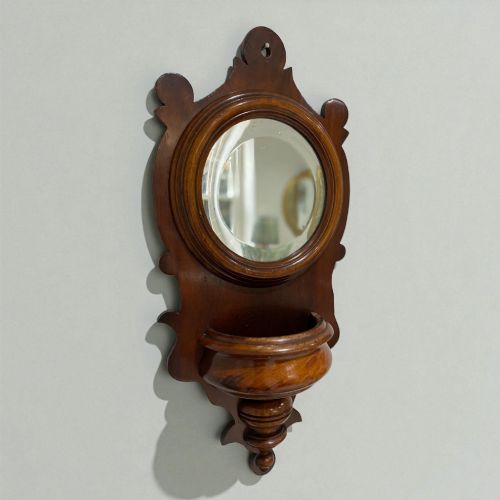
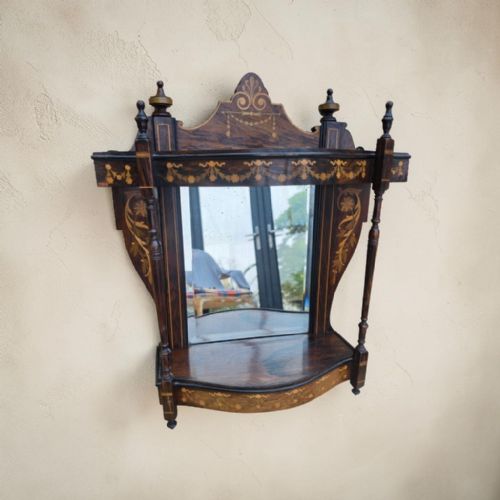
These items manifest as wall mirrors, overmantel mirrors, and wall shelves equipped with mirror glass. The forms vary from ornate hanging frames with boxwood inlay to console mirrors featuring a shelf underneath.
How they were made
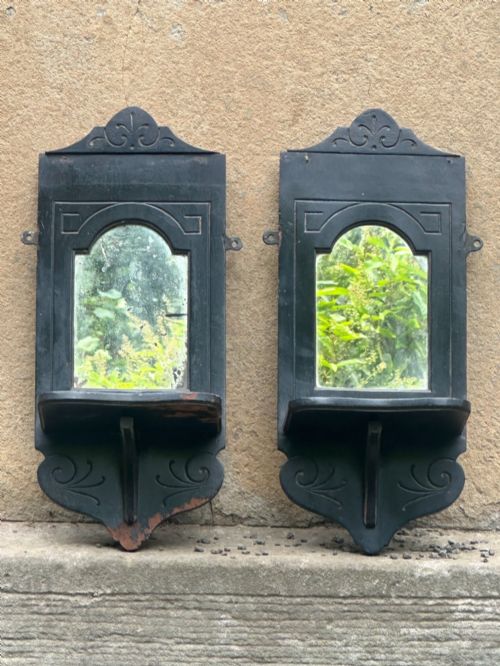
Makers utilised timber frames constructed from mahogany, oak, pine, and ebonised wood, frequently incorporating boxwood inlay for decorative contrast. Surfaces also received painted and giltwood treatments, or were upholstered in velvet to achieve distinct period aesthetics.
Reflective surfaces consist of glass mirror panels set within hanging or console structures. Workshops employed traditional joinery and carving techniques appropriate to Victorian, Edwardian, and revival styles.
Small Wall Mirror Shelf Retail Price Guide 2026
Typical asking prices for small wall mirror shelf among the pieces listed under this phrase on Sellingantiques today, from the lower quarter to the upper quarter. They describe what is for sale here now, not the wider market.
One velvet-covered mirror from eighteen-ninety reminds us that Victorians liked to wrap almost anything in fabric.
What varies in quality
The refinement of the woodwork dictates much of the distinction between pieces, particularly where hand-carved details or intricate boxwood inlay appear on the frame. Simpler pine formats offer domestic utility, whereas elaborate giltwood or painted French Rococo Revival étagères demonstrate greater artisanal ambition.
The integration between the mirror glass and the supporting shelf structure reflects the builder's precision. Well-balanced proportions and secure shelf attachments ensure the piece functions reliably as both a looking glass and a display ledge.
Cottier & Co.
The Small Wall Mirror Shelf Glossary
- Overmantel mirror
- A glass intended to be hung above a fireplace mantel, though smaller variants adapt well to general wall placement. These often incorporate ledges or small shelf spaces.
- Étagère
- A piece of furniture featuring multiple tiers or shelves for display. In wall-hanging formats, it combines a mirror plate with open shelving.
- Girandole
- A branched wall mirror or candleholder designed to reflect light into a room. Pairs of these decorative pieces frequently feature integrated shelf or bracket elements.
- Boxwood inlay
- Contrasting light wood inserted into darker timber frames to create geometric or floral patterns. This decorative technique highlights the craftsmanship of Edwardian and Victorian makers.
- Ebonised wood
- Timber treated to imitate the dark, dense appearance of ebony. This finish was popular during the nineteenth century for achieving high-contrast decorative effects.
Small Wall Mirror Shelf: Frequently Asked Questions
Where should I hang a mirror shelf?
These pieces suit entrance halls, bedrooms, and compact living spaces where a combination of reflective glass and a small display ledge proves useful. They function effectively above small tables or in narrow hallways.
Ensure the wall construction supports the weight of the timber frame and mirror glass. Position the piece at eye level to make practical use of the looking glass.
How do I identify an Edwardian mirror?
Edwardian examples often feature light timbers such as mahogany or oak, sometimes embellished with subtle boxwood inlay. The decorative vocabulary draws on classical revival themes without the heavier ornamentation of earlier Victorian work.
Look for clean lines and compact proportions typical of the early twentieth century. Construction methods of this era show standardised joinery alongside traditional hand-finishing.
What is a French Rococo Revival piece?
Rococo Revival items draw inspiration from eighteenth-century French design, featuring asymmetric curves, scrollwork, and ornate carved details. Painted and gilt finishes enhance the decorative impact of these wall étagères.
Such pieces introduce a dramatic, ornamental focal point to a room. They contrast sharply with simpler utilitarian pine or oak mirrors from the same periods.
Can the shelf hold heavy objects?
The integrated ledges are intended for light decorative items such as small porcelain figurines, cards, or miniature frames. Overloading the shelf risks straining the joints where it connects to the mirror frame.
Check the stability of the bracket supports beneath the ledge before placing any cherished items on display. Most shelves serve a primarily decorative rather than load-bearing function.