

Small Vintage Frames
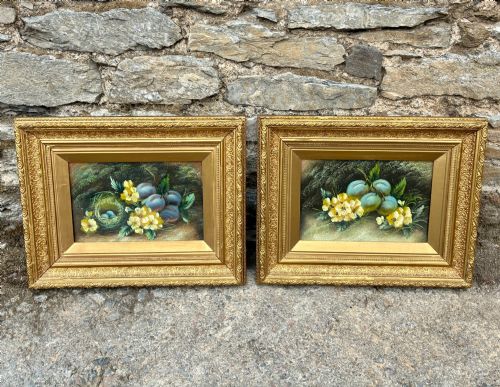
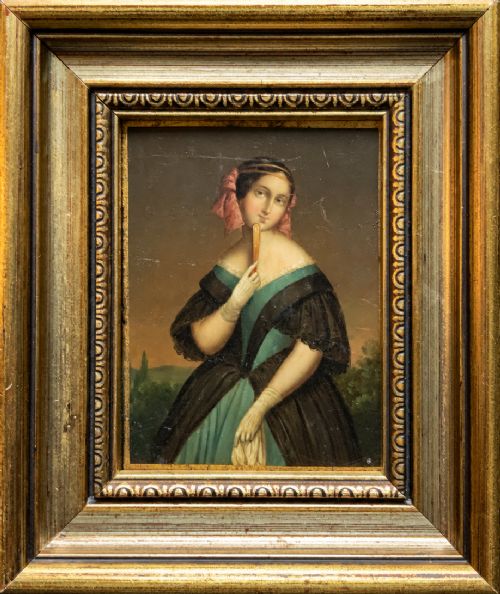
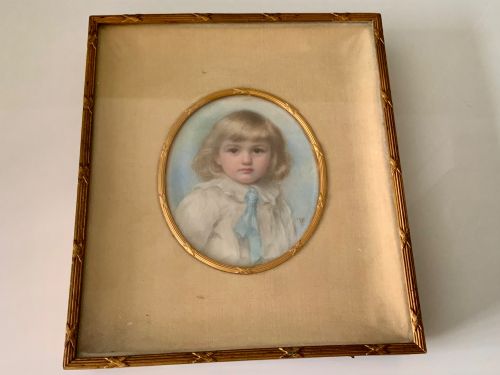
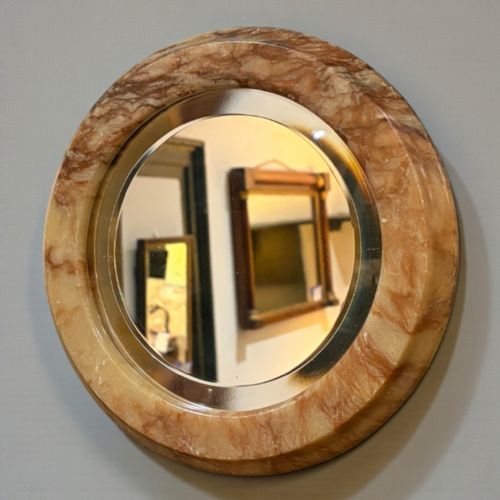
Small vintage frames enclose portraits, watercolours and mirrors in wood, brass and giltwood from the nineteenth century onward.
Small Vintage Frames
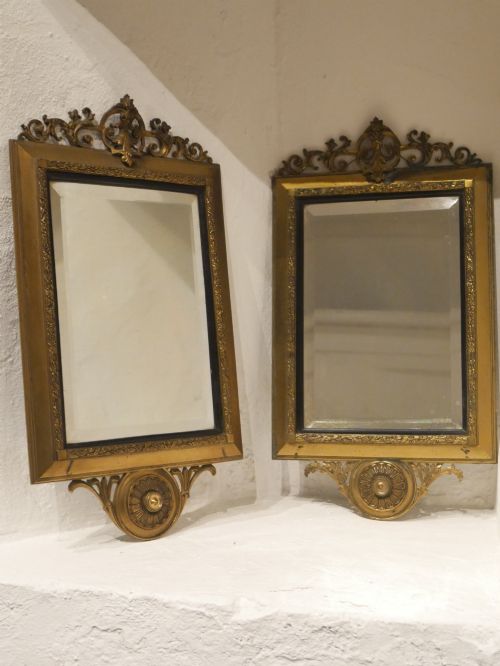
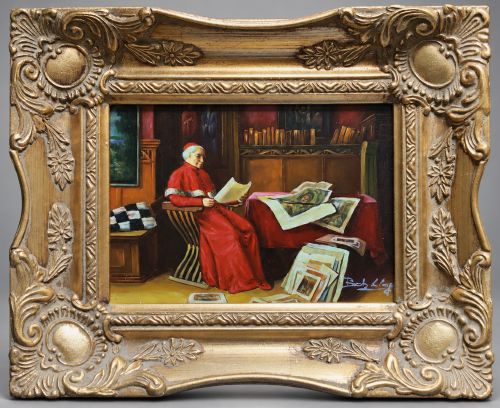
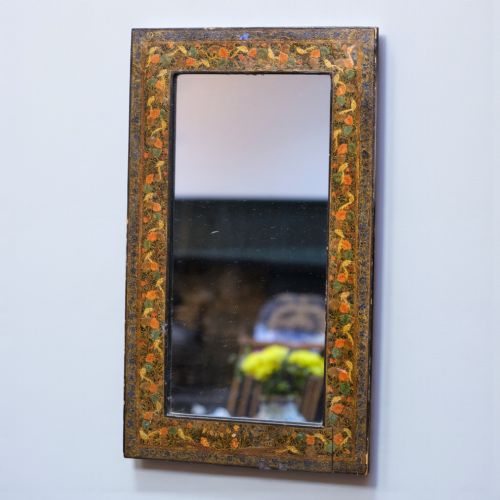
When you search for small vintage frames, you encounter enclosures designed for portrait miniatures, watercolours and compact wall mirrors. The selection spans the nineteenth century through to the mid-twentieth century, capturing varied domestic uses.
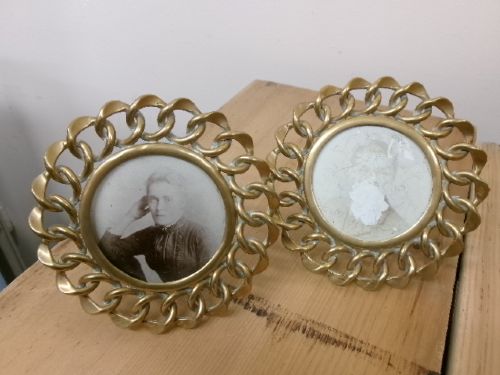
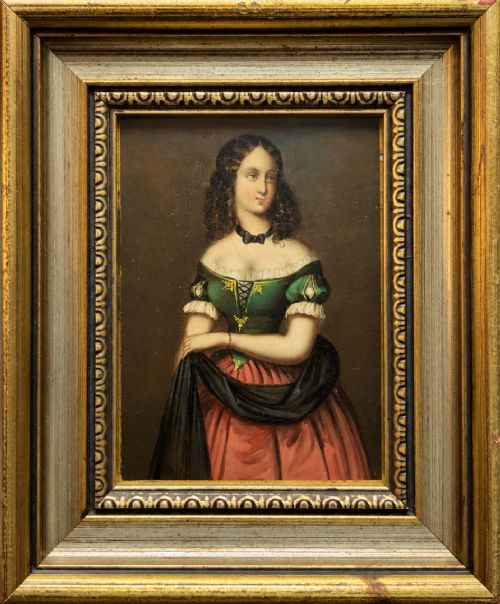
Most examples appearing here take the form of miniature surrounds for oil portraits, delicate wooden mirror surrounds or small photographic housings in silver and brass. They originate from periods including the Victorian era, Edwardian years and the nineteen-twenties.
Makers and makers' towns span domestic cabinet makers and specialist metalworkers, producing items intended for intimate desk settings or narrow wall spaces. These compact pieces reflect the decorative tastes of past interiors without dominating a room.
Materials and construction methods
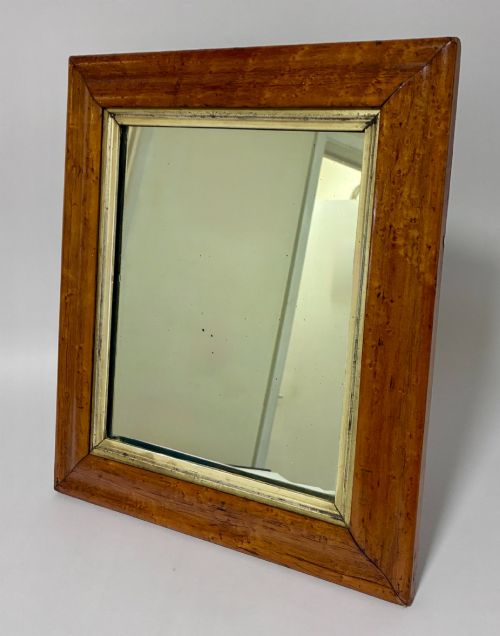
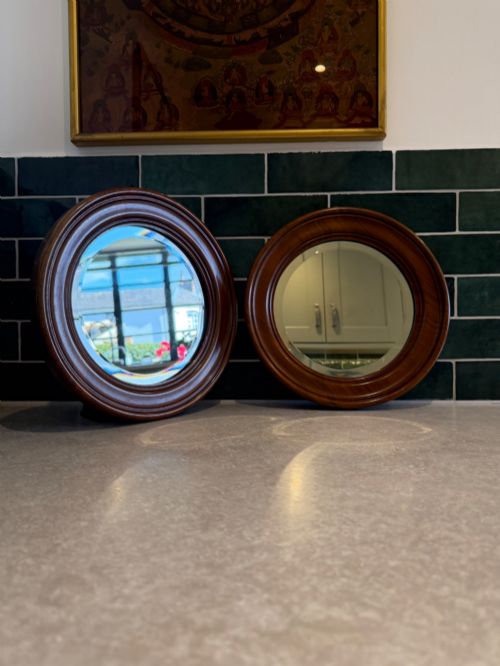
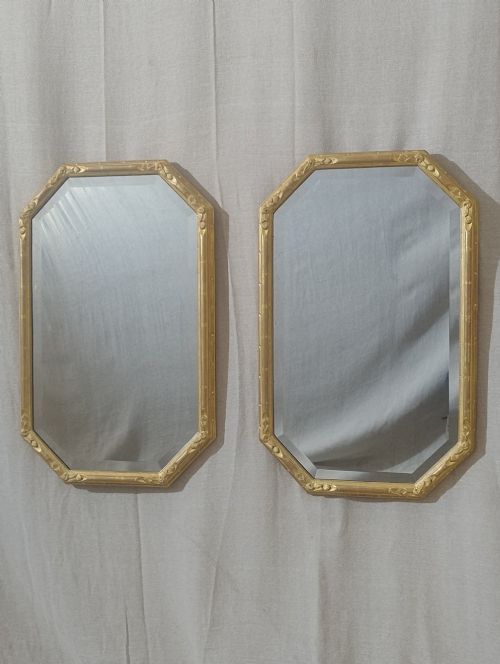
Construction relies upon traditional timber framing, cast brass and applied gesso over wooden cores. Craftsmen utilised walnut, mahogany, oak and kingwood, often shaping them into round, oval or octagonal profiles.
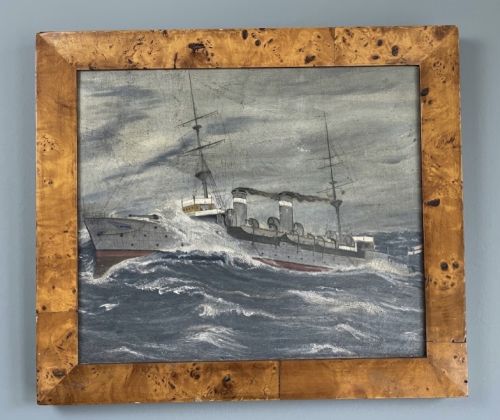
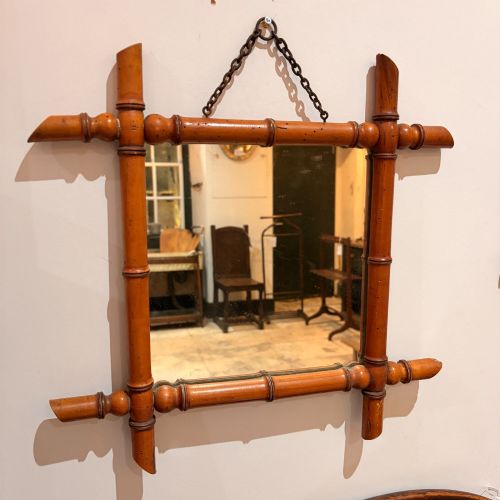
Surface decoration frequently involves water gilding, silver gilt, hand-carved faux bamboo and inlaid brass details. Miniature oil paintings and watercolours are typically housed behind protective glass within these rigid surrounds.
Small Vintage Frames Retail Price Guide 2026
Typical asking prices for small vintage frames among the pieces listed under this phrase on Sellingantiques today, from the lower quarter to the upper quarter. They describe what is for sale here now, not the wider market.
Materials recorded across the selection include glass, wood, brass, giltwood, gesso, watercolour, walnut and alabaster.
Distinctions in craftsmanship
Quality rests upon the crispness of the carving, the integrity of the gilding and the weight of the underlying metal or wood. Finer items display meticulous hand-applied gesso work and well-joined corner mitres rather than casual assembly.
The sophistication of the secondary materials, such as bevelled mirror plates or genuine silver components, elevates an object above standard mass-produced alternatives. Original backing boards and period fixings further distinguish superior examples.
RW Winfield·Maud Raphael Jones·Florence Small·Heals
The Small Vintage Frames Glossary
- Gesso
- A plaster-like mixture applied to wood surfaces as a base for painting or gilding. It is built up in thin layers to create relief ornamentation before being burnished.
- Water gilding
- A technique applying gold leaf over wet gesso using animal glue size. This method allows the gold to be polished to a mirror shine.
- Miniature
- A small-scale portrait painting executed with fine detail on ivory, vellum or panel. These works required specialised magnifying lenses to produce.
- Pier mirror
- A tall, narrow mirror designed to hang on the wall space between windows. They often feature compact proportions suited to smaller architectural gaps.
- Convex mirror
- A round mirror glass curved outward to provide a wide, distorted panoramic reflection of the room. They gained popularity during the Regency and Victorian periods.
Small Vintage Frames: Frequently Asked Questions
What periods do these frames represent?
The listings encompass nineteenth-century items alongside pieces from the Edwardian era, nineteen-tens and nineteen-twenties.
Later examples extend into the mid-twentieth century, offering a broad chronological spread of domestic decorative styles.
How were small frames used historically?
Compact frames served primarily to display portrait miniatures of family members on desks or tables. Others functioned as wall mirrors or photographic housings in intimate spaces.
Their portable nature allowed owners to move them easily between rooms as interior fashions shifted.
What materials predominate in this selection?
Wood forms the primary structural material, featuring walnut, mahogany, oak, kingwood and giltwood. Metal elements in brass and silver also appear frequently.
Surface finishes incorporate glass, gesso, watercolour paintings and oil on panel.
How do I care for antique frames?
Keep wooden and gilded surfaces away from direct sunlight and damp conditions to protect the delicate finishes. Dust gently with a dry, soft cloth without applying liquid polishes.
Avoid abrasive cleaners on metal components to preserve any original patination.