
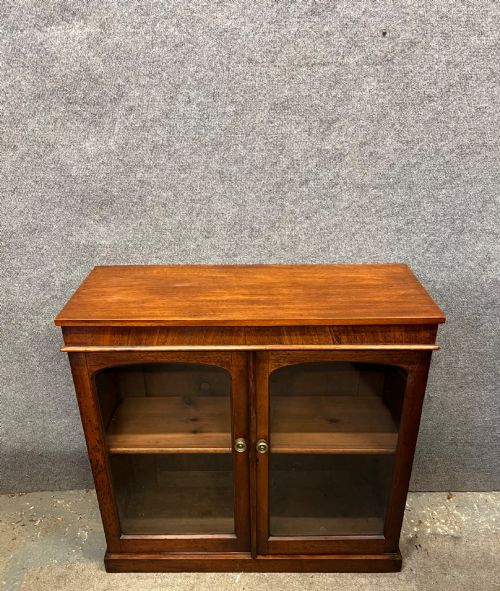
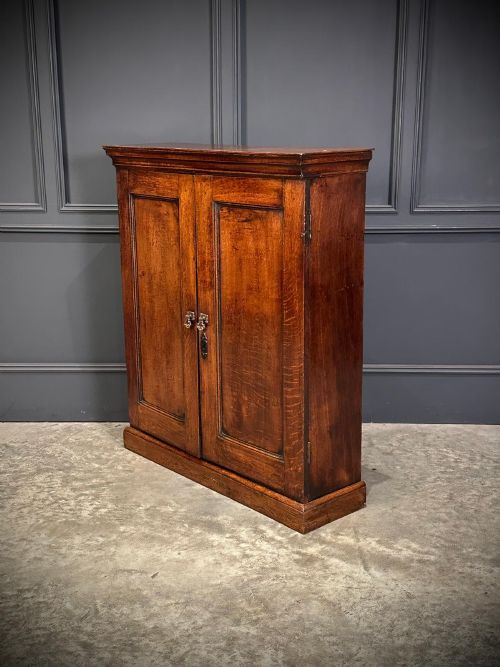
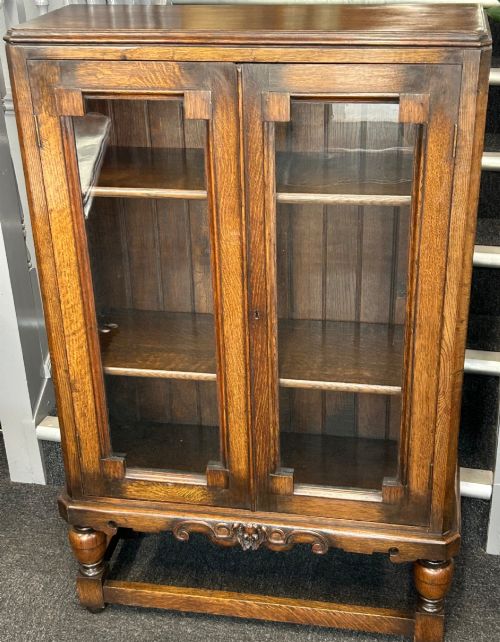
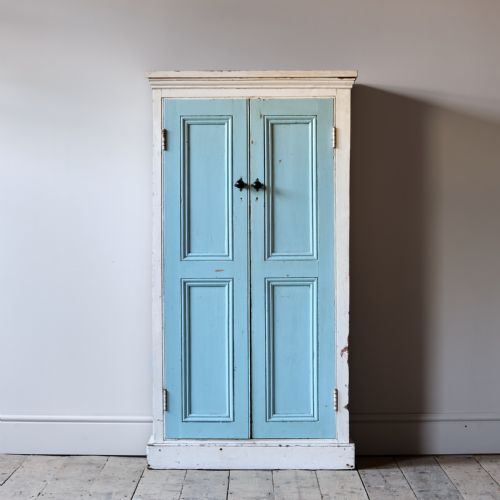

Small Two Door Cabinet
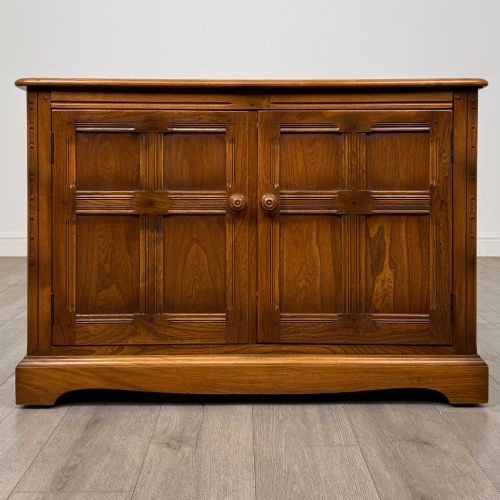
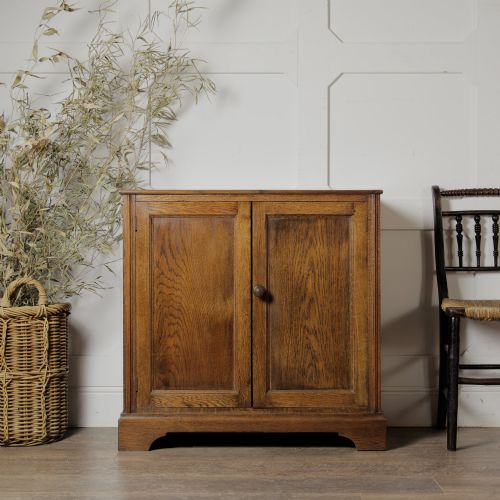
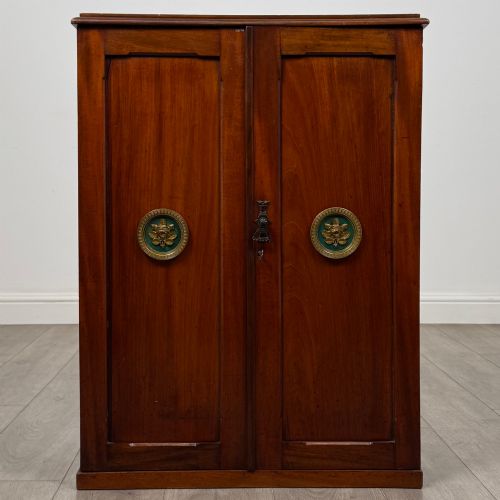
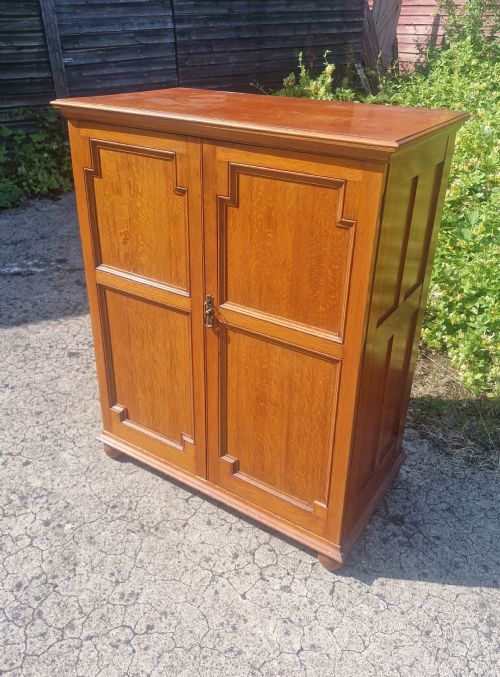
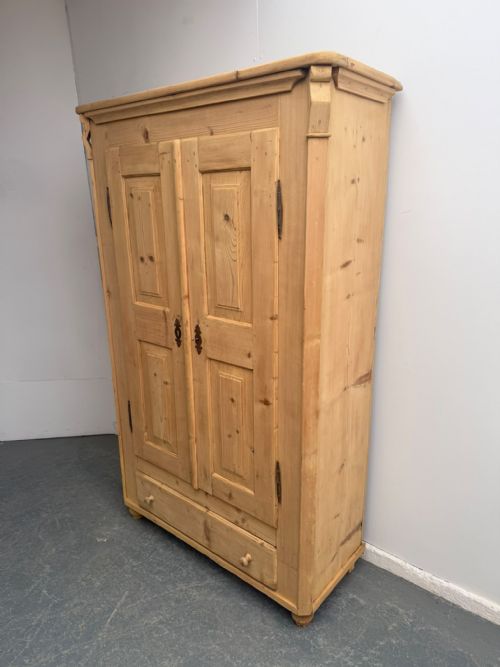
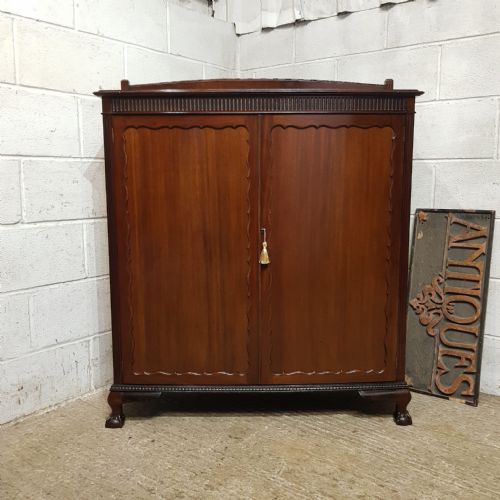
A small two door cabinet offers compact storage in rich timber, bringing period character to tight corners without dominating the room.
Small Two Door Cabinet
A small two door cabinet brings together compact storage and period character, surfacing in forms ranging from low sideboards to wall-hung units. Buyers seeking this phrase encounter pieces spanning the Georgian, Victorian, Edwardian, and Art Deco eras, with timber constructions dominating the selection.
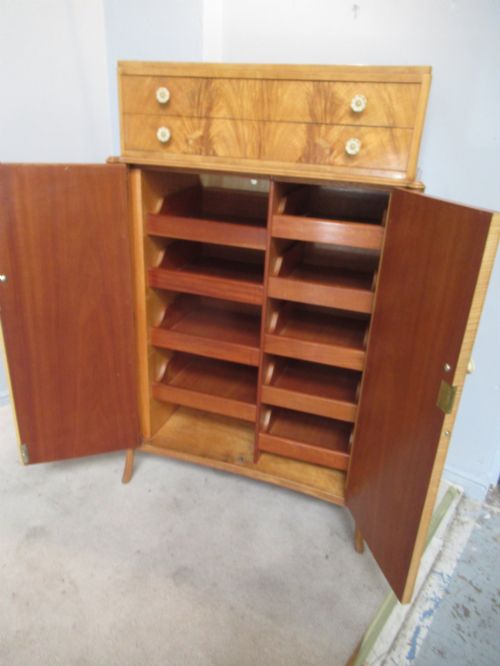
The layout typically involves a pair of panelled or glazed doors opening to reveal interior shelving or space for linen and books. Proportions remain modest, making these items suited to hallways, bedrooms, or alcoves where full-sized storage would overwhelm the space.
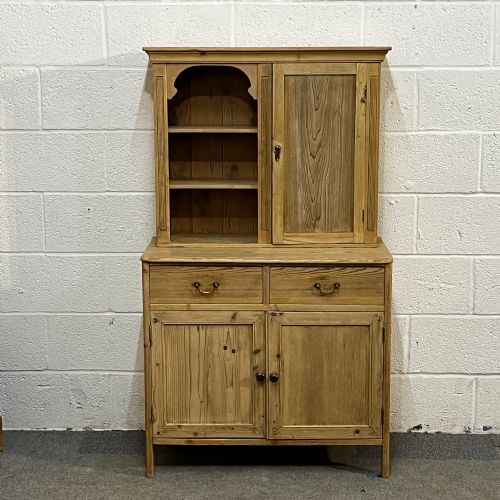
Origins stretch across British regional workshops alongside continental imports, encompassing styles from plain country pine to formal Regency rosewood and mahogany. Many surviving examples reflect domestic utility, shifting from utilitarian housekeepers' cupboards to refined drawing-room display pieces.
How they were made
Construction relies heavily on hardwoods such as mahogany, oak, and rosewood, alongside utility timbers like pine and maple. Cabinetmakers utilised solid boards and fine veneers, securing joints with traditional joinery methods appropriate to each period.
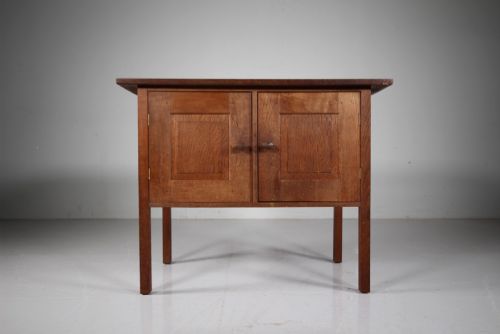
Surfaces receive varied finishes, from polished french polish on formal mahogany to waxed pine and limed treatments on later oak pieces. Brass hardware, including hinges, escutcheons, and drop handles, provides functional detail that often aids in dating the work.
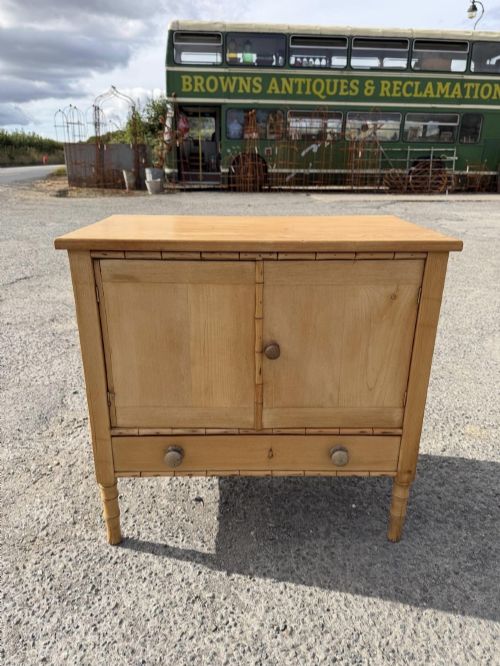
A faux bamboo finish on nineteenth-century pine proves that Victorians enjoyed playful imitations just as much as modern decorators do.
What varies in quality
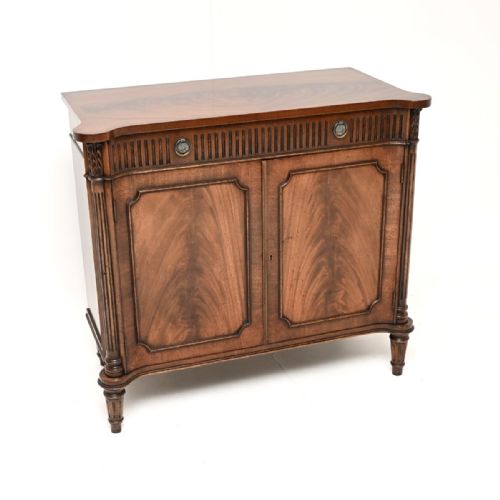
The calibre of a piece rests upon timber selection and the precision of its assembly, where tightly figured veneers or heavy solid planks command greater interest. Superior items display careful grain matching across the two doors and refined proportions that balance utility with decorative restraint.
Originality of the hardware, glass panels, and interior fittings elevates a piece, as does documented provenance linking the cabinet to known workshops or retail houses. Alterations to feet, cornices, or interior layouts distinguish standard utilitarian examples from masterworks of their respective eras.
Peter Waals·Heals of London
The Small Two Door Cabinet Glossary
- Chiffonier
- A low sideboard or cabinet featuring a combination of drawers and doors, popular during the Regency and Victorian periods for storing dining accessories.
- Bookcase
- An upright piece of furniture with shelves for books, frequently incorporating glazed or solid lower doors to form a combined storage unit.
- Rosewood
- A dense, heavily figured tropical hardwood prized for its dark grain patterns, utilised extensively in high-status Regency and Victorian cabinets.
- Escutcheon
- A protective plate surrounding a keyhole, usually fashioned from brass and serving both a practical purpose and a decorative function.
- Limed oak
- Timber treated with a specialised finish that highlights the open grain with a lighter pigment, characteristic of early twentieth-century design.
Small Two Door Cabinet: Frequently Asked Questions
Where should I place a small two door cabinet?
These compact units suit hallways, alcoves, and bedrooms where floor space is limited yet storage is required. Their modest footprint allows them to function as side tables or display surfaces without cluttering the room.
Taller variants work well for book storage or linen, while low models provide a surface for lamps or decorative objects above enclosed shelving.
How do I tell a Georgian piece from a Victorian one?
Georgian cabinets often display restrained classical proportions, cleaner lines, and subtle mahogany or oak graining. They rely on architectural balance rather than heavy ornamentation.
Victorian examples frequently introduce richer dark polishes, more elaborate mouldings, or glazed doors designed to showcase collections. Construction techniques also shift towards heavier framing as industrial methods advanced.
Are these cabinets suitable for modern homes?
Their modest scale and enclosed storage make them practical for contemporary living spaces needing character and organisation. They integrate easily into existing room schemes while concealing modern items behind period doors.
Many pieces offer versatile shelving that adapts readily to storing tableware, media equipment, or everyday household objects.
What maintenance do antique timber cabinets need?
Regular dusting with a dry cloth keeps the surface clean, while occasional application of quality beeswax nourishes polished woods like oak and mahogany. Avoiding direct sunlight and sudden temperature changes protects the timber and veneer from splitting.
Checking brass hinges and locks periodically ensures the doors continue to hang true and close without catching.