


Small Silver Dishes
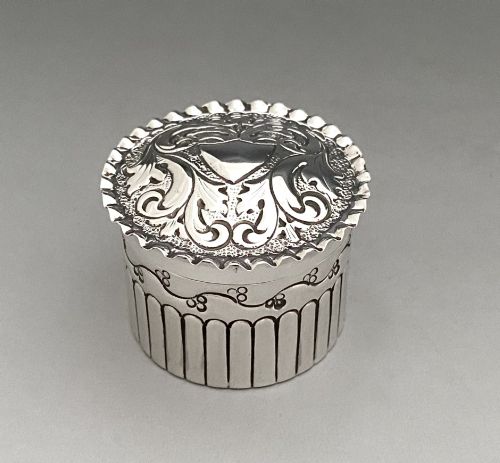
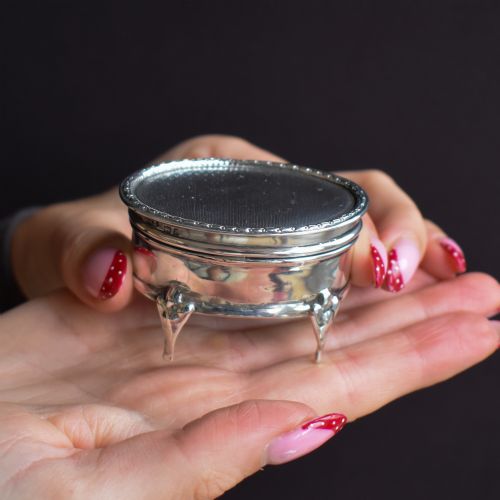
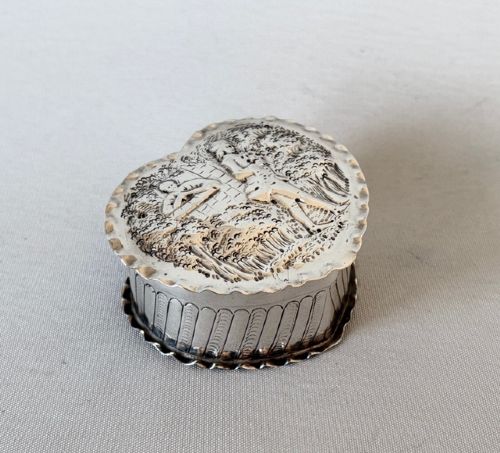
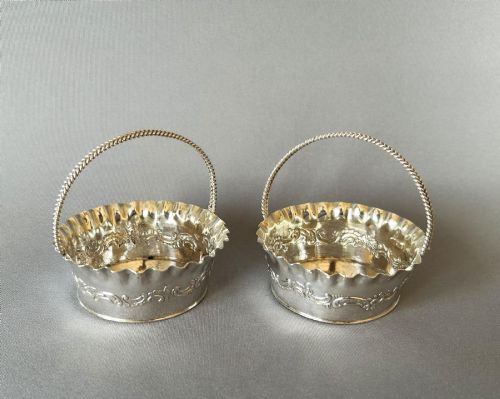
Small silver dishes are portable pieces of tableware and vanity items made from sterling silver, Old Sheffield plate, and silver plate.
Small Silver Dishes
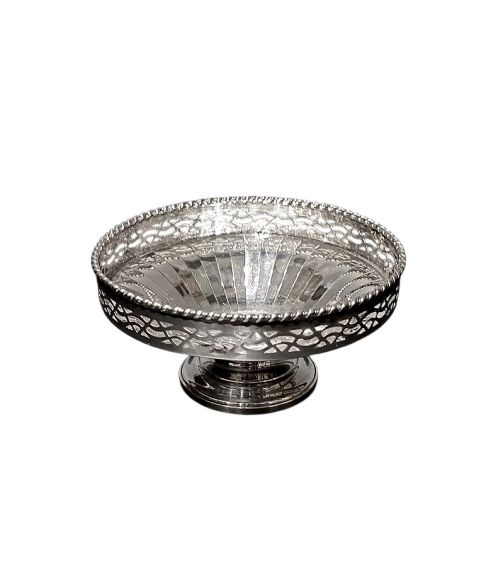
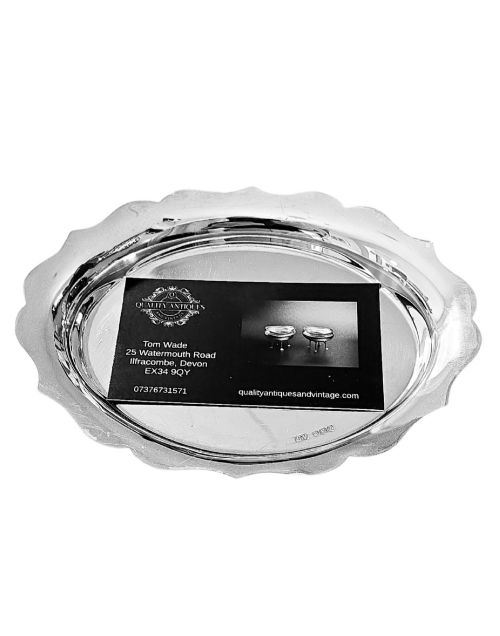
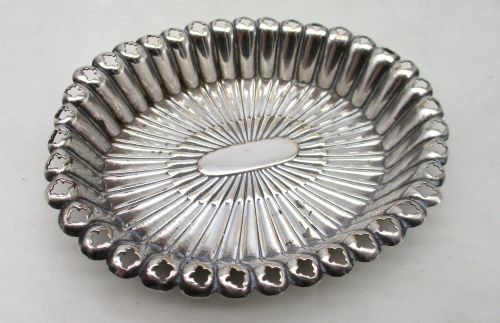
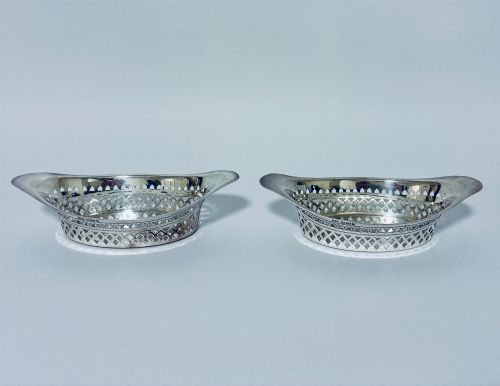
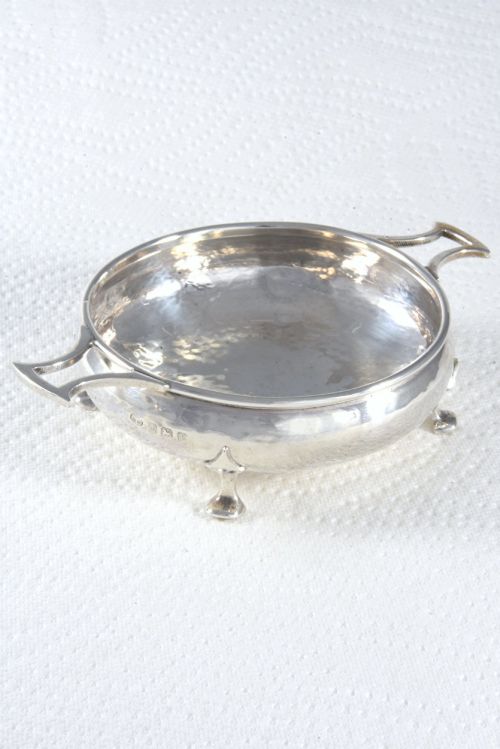
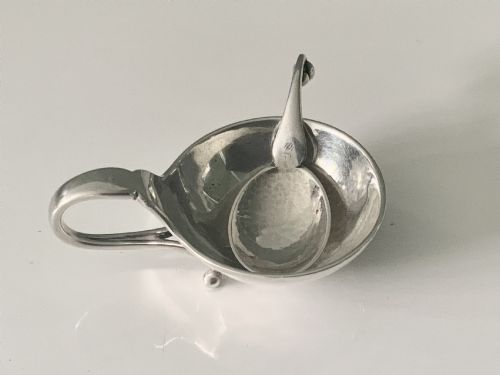
Small silver dishes encompass trinket dishes, bonbon dishes, pin trays, and salt cellars spanning the eighteenth, nineteenth, and twentieth centuries. These compact vessels served varied domestic purposes on dressing tables, sideboards, and dining tables.
Objects range from functional salt cellars and pill boxes to decorative tazzas, coasters, and draining plates. Materials include solid sterling silver, copper-based Old Sheffield plate, and silver plate, occasionally combined with cut glass and enamel.
What varies in quality
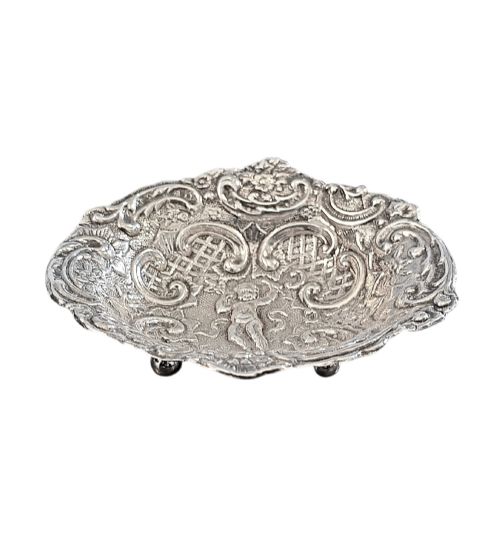
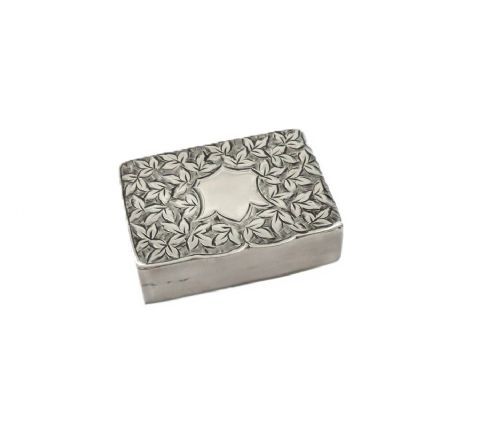
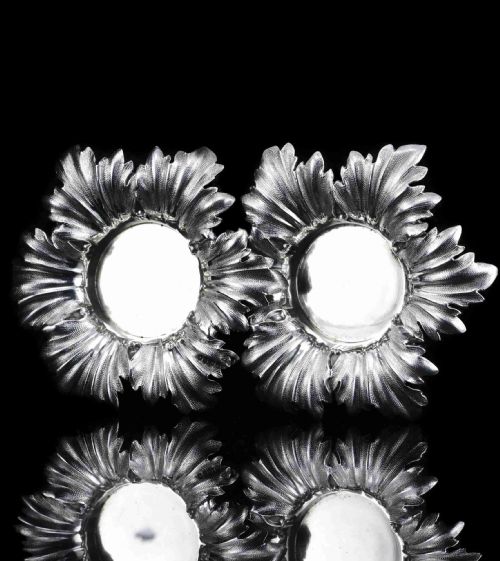
Quality rests upon the crispness of chased detail, the structural integrity of the metal, and the preservation of original surfaces. Pieces with deep, hand-chased foliage display greater artisan skill than lighter, machine-pressed alternatives.
The integrity of plating on Old Sheffield plate or silver-plated items influences standard, where excessive wear exposes the base metal beneath. Hallmarks that remain clear and legible indicate careful handling and preservation over generations.
Small Silver Dishes Retail Price Guide 2026
Typical asking prices for small silver dishes among the pieces listed under this phrase on Sellingantiques today, from the lower quarter to the upper quarter. They describe what is for sale here now, not the wider market.
William Aitken·Emile Viner·Georg Jensen·Charles Boyton·Hamilton and Inches
The Small Silver Dishes Glossary
- Bonbon dish
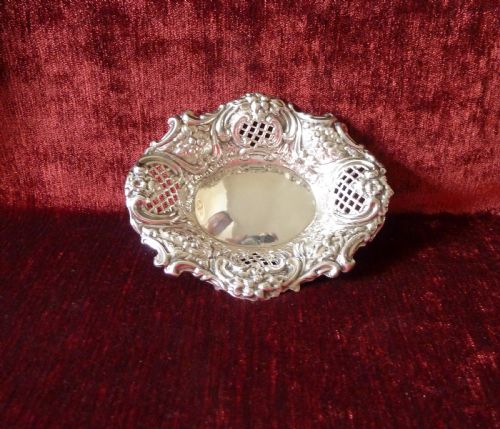
- A small open vessel designed for holding sweets or confectionary. These often feature pierced rims and decorative footed bases.
- Pin tray
- A shallow tray utilised on dressing tables for holding pins and small accessories. They frequently appear in rectangular or oval forms with raised borders.
- Old Sheffield plate
- A material formed by fusing silver to a copper ingot before rolling them into sheets. This technique predates modern electroplating.
- Tazza
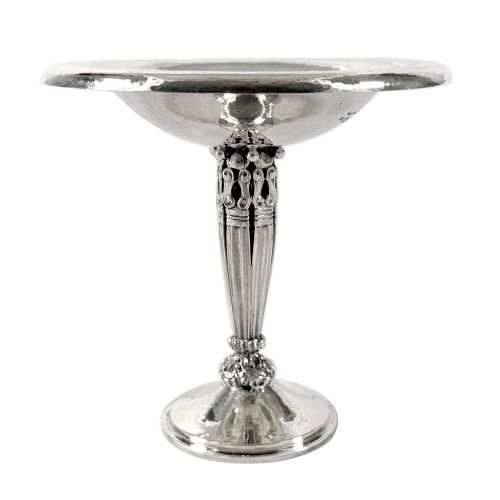
- A small shallow cup or dish mounted on a stem and foot. They are used for display or serving small items at table.
- Hallmark
- An official stamp applied to precious metals indicating purity, maker, and assay office. British pieces typically show a standard mark, town mark, and date letter.
Small Silver Dishes: Frequently Asked Questions
What were small silver dishes used for?
These vessels served diverse roles in period homes, holding small items like pins, pills, visiting cards, and bonbons. Dressing tables and sideboards accommodated them for daily organisation.
Dining rooms utilised salt cellars, coasters, and small trays for serving condiments and morsels. Their portable nature allowed them to move between rooms as domestic routines required.
How do I identify the period of a silver dish?
Hallmarks stamped onto sterling silver pieces provide precise data regarding the year of assay and the maker. British items carry date letters that correlate with specific assay office records.
Stylistic indicators also reveal age, such as the heavy foliate chasing typical of Victorian work or the geometric lines associated with Art Deco pieces.
What is the difference between sterling silver and silver plate?
Sterling silver is a solid precious metal alloy containing a defined proportion of pure silver, marked with standards like the lion passant in Britain. It maintains its composition throughout the object.
Silver plate involves a thin layer of silver bonded to a base metal such as copper or nickel brass. Old Sheffield plate represents an early fusion method distinct from later electroplating.
How should I clean antique silver dishes?
Gentle washing in warm water with mild soap removes everyday dust and oils. Soft cloths prevent scratching the metal surface during cleaning.
Harsh abrasive dips strip away patination and can damage delicate chased details or enamel work. Frequent light dusting preserves the finish better than occasional aggressive polishing.